F1 Cancels Bahrain, Saudi Races Amid Mideast Tensions
Formula One canceled its April Bahrain and Saudi Arabian Grand Prix races, reducing the 2026 calendar due to escalating Middle East tensions.
Lauren Collins ·
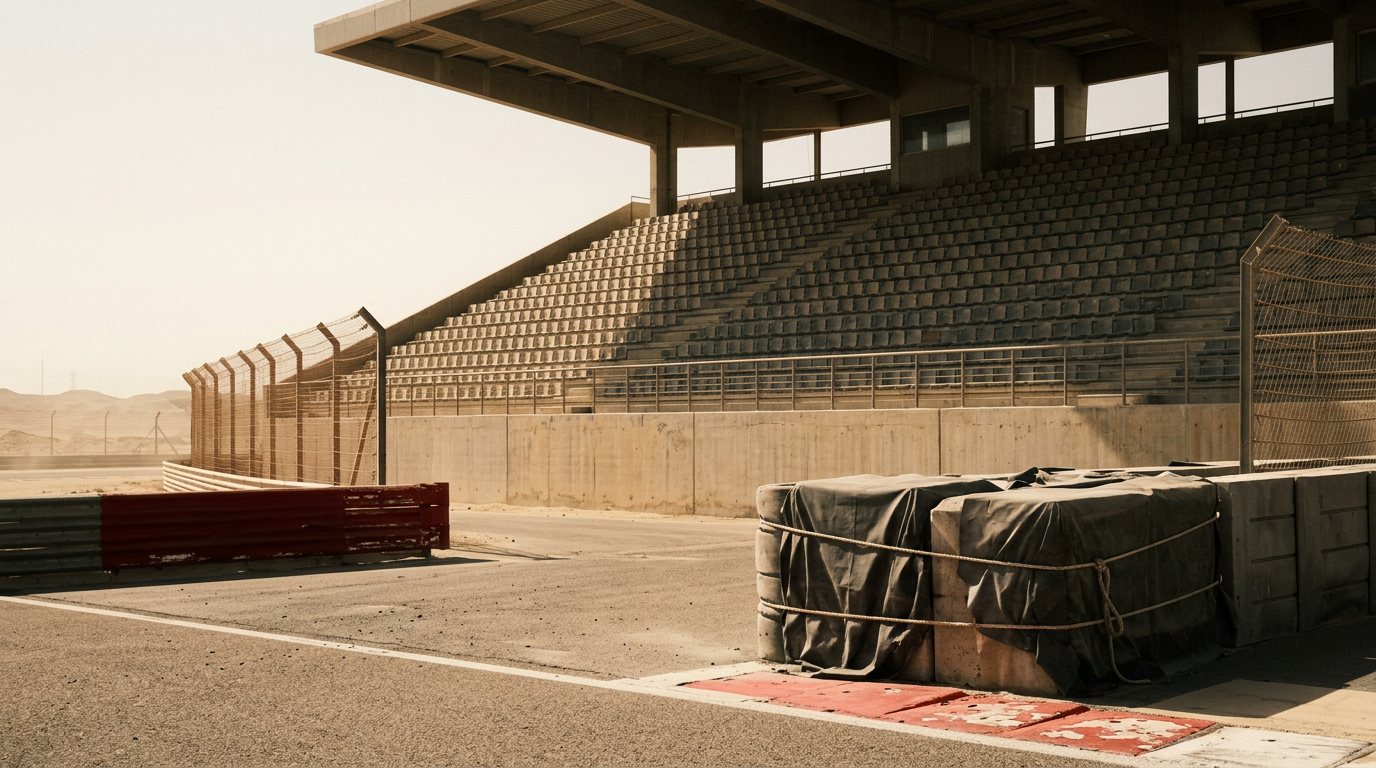
Formula One has announced the cancellation of its Grand Prix events scheduled for April in Bahrain and Saudi Arabia. The decision, confirmed on Saturday, reduces the 2026 racing calendar from 24 to 22 events. This move comes as a direct response to escalating geopolitical tensions and security concerns across the Middle East region.
The cancellations were made following consultations between Formula One management, the Fédération Internationale de l'Automobile (FIA), and local race promoters. Safety and logistical feasibility for teams and personnel were cited as primary considerations for the decision, with no immediate plans for rescheduling either event.
Geopolitical Factors and Logistics
The primary driver behind the cancellations is the heightened instability in the Middle East. Recent weeks have seen an increase in military actions, including reported U.S. and Israeli operations targeting Iran, alongside Iranian drone and missile strikes within the region. These developments have significantly impacted regional security.
Logistical challenges, such as airport closures in key locations like Bahrain's capital, Manama, and threats to international shipping lanes, further complicated the viability of hosting the races. The deadline for freight shipment to Bahrain was previously set for March 20, indicating the immediacy of the operational concerns.
Economic Implications for Formula One
Both the Bahrain and Saudi Arabian Grand Prix events represent substantial financial contributions to Formula One's annual revenue. The Bahrain race alone is estimated to generate approximately $45 million in hosting fees each year. The loss of these two events will have a notable financial impact on the sport's overall earnings for the season.
This cancellation creates a significant five-week gap in the revised racing schedule. The next event on the calendar is now slated to be the Miami Grand Prix, scheduled for May 3. The FIA underscored its commitment to prioritizing the well-being of all participants and staff in its decision-making process.
Broader Context of Regional Instability
The Middle East has experienced a prolonged period of geopolitical volatility, which has intensified recently. This instability affects not only major sporting events but also global trade routes, energy markets, and international travel. The decision by Formula One highlights how regional conflicts can have far-reaching consequences, impacting global industries and entertainment.
The sport's organizers will likely continue to monitor the security situation closely for future events in the region. The current cancellations underscore the complex interplay between global sports, international politics, and security considerations, particularly in strategically sensitive areas. The long-term implications for Formula One's presence in the Middle East remain subject to the evolving geopolitical landscape.
Implications
Country Impact: The cancellations impact Bahrain and Saudi Arabia by removing high-profile international events, potentially affecting tourism and local economies that benefit from the influx of visitors and media attention. It also signals heightened regional instability.
Industry Impact: The global sports and entertainment industry, particularly Formula One, faces revenue losses from hosting fees and associated commercial activities. It also highlights the operational risks of staging large-scale events in geopolitically sensitive areas.
Market Impact: While direct market impact is limited, the decision reflects broader concerns about Middle East stability, which can influence oil prices, shipping costs, and investor confidence in regional assets. It underscores the non-market risks to global business operations.