FCC Chair Warns Broadcasters on License Renewals
FCC Chair Brendan Carr warned broadcasters that licenses are not property rights and can be revoked for failing public interest obligations.
Lauren Collins ·
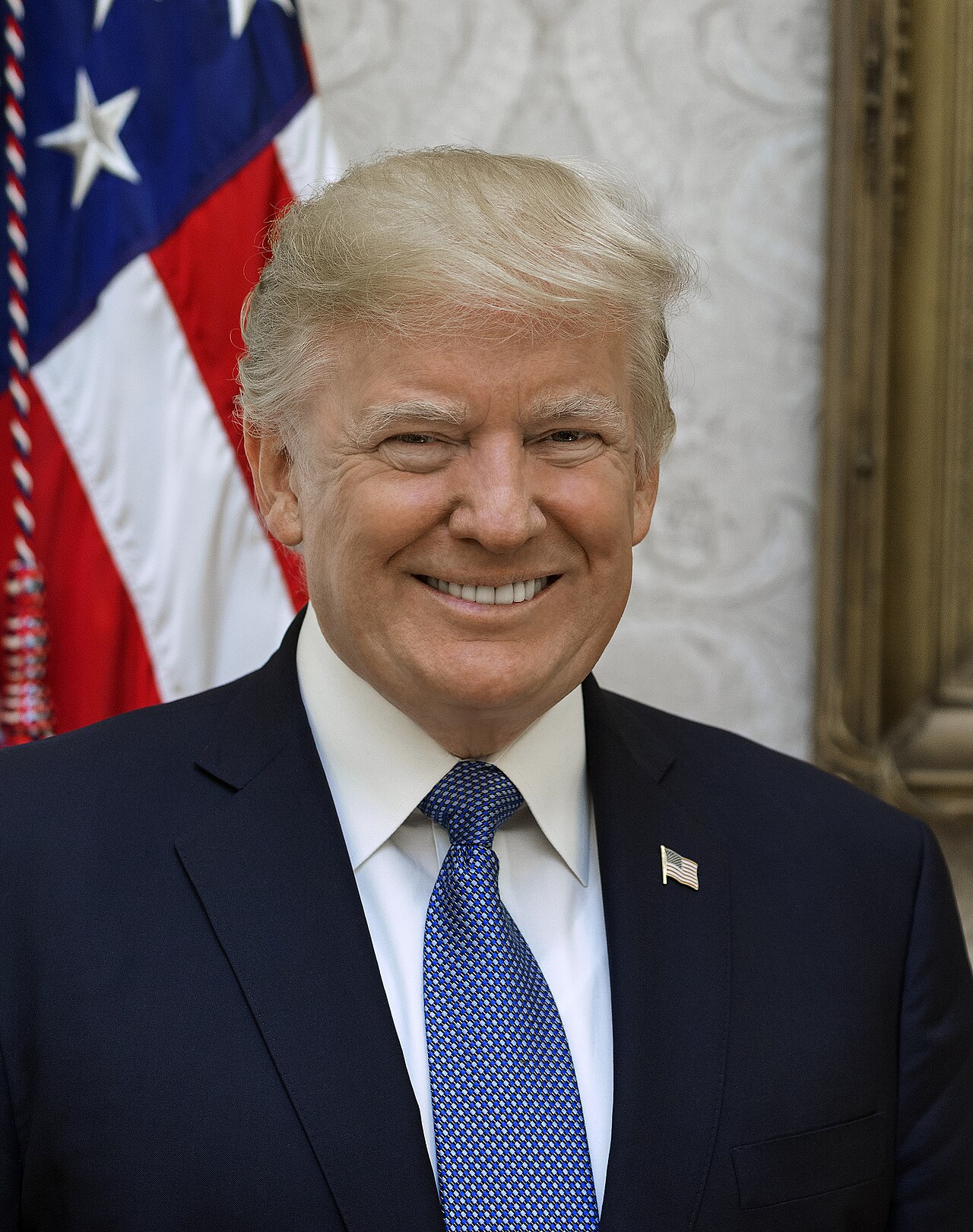
Federal Communications Commission (FCC) Chair Brendan Carr recently asserted that broadcast licenses are not an inherent property right and are subject to revocation if stations fail to serve the public interest. This declaration, made on Saturday, underscores the regulatory body's authority over content standards for over-the-air broadcasters.
Carr's comments, delivered during a CBS News interview and an X post, highlighted that broadcasters disseminating "hoaxes and news distortions" could face license forfeiture. The FCC conducts license renewals on an eight-year cycle, with the next period for these renewals scheduled between June 2028 and August 2031.
Regulatory Authority and Public Interest
The FCC, an independent government agency, is responsible for issuing and overseeing these broadcast licenses. While acknowledging broadcasters' freedom in reporting, Carr stressed their obligation to adhere to public interest mandates. This regulatory oversight specifically targets over-the-air broadcasts and does not extend to cable or streaming services.
Carr's remarks follow criticisms from former President Donald Trump regarding media coverage of an attack on U.S. air tankers in Saudi Arabia, which he characterized as "fake news." This context suggests a heightened focus on the veracity and public service aspect of broadcast content.
Criticism and Precedent
Democratic Senators Elizabeth Warren and Chris Murphy promptly criticized Carr's statements, interpreting them as a potential threat to free speech and an attempt to influence war coverage. These concerns highlight the delicate balance between regulatory oversight and constitutional protections for the press.
Carr cited ongoing FCC investigations as examples of the commission's active role in ensuring compliance. These include an inquiry into ABC's "The View" concerning the equal-time rule and another into Comcast/NBC Universal regarding diversity policies. Such investigations could potentially lead to early reassessment of licenses.
Equal-Time Rule Reversal
Significantly, the FCC recently reversed its previous policy, confirming that daytime talk shows and late-night programs are now subject to the equal-time rule. This rule mandates that broadcast stations provide equivalent airtime to all legally qualified political candidates if they permit one candidate to use their facilities. This policy shift broadens the scope of content subject to political fairness regulations.
This development signals a potentially more assertive stance by the FCC regarding broadcast content, particularly concerning political discourse and factual accuracy. The upcoming license renewal period will be a critical juncture for broadcasters to demonstrate their adherence to public interest obligations under this renewed scrutiny.
Implications
Country Impact: The FCC's stance could influence the editorial independence of U.S. broadcasters, potentially leading to increased self-censorship or more cautious reporting to avoid regulatory scrutiny. This may spark broader debates on media freedom and government oversight.
Industry Impact: Broadcasters, particularly those with upcoming license renewals, may face heightened pressure to review their content standards and ensure compliance with public interest obligations. This could impact programming decisions and journalistic practices across the industry.
Market Impact: While direct market impact is limited, increased regulatory uncertainty could affect investor sentiment towards publicly traded broadcast companies. The potential for license revocations, though rare, introduces a new risk factor for media conglomerates.