US Energy Secretary Predicts Iran Conflict End
US Energy Secretary Chris Wright predicts the Iran conflict will end within weeks, potentially lowering global oil prices from over $100/barrel.
Lauren Collins ·
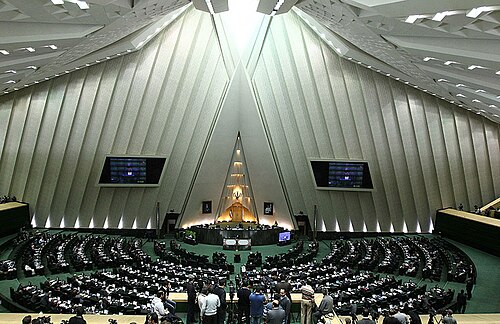
U.S. Energy Secretary Chris Wright indicated on Sunday, March 15, 2026, that the conflict involving the U.S., Israel, and Iran is expected to conclude within several weeks. This projection suggests a subsequent decrease in international crude oil prices, which have recently surged past $100 per barrel following Iran's closure of the Strait of Hormuz.
Secretary Wright, during an appearance on NBC's "Meet the Press," characterized the current elevated energy costs for American consumers as a temporary situation. He articulated that the cessation of hostilities would alleviate a major risk factor impacting global energy supplies, fostering a more stable and cost-effective energy environment.
Strategic Energy Measures and Global Cooperation
Despite the strategic importance of the Strait of Hormuz and its recent closure, Secretary Wright expressed optimism regarding China's potential role in its reopening. He highlighted China's economic interests as a motivating factor for its constructive engagement in resolving the shipping lane's accessibility issues.
Economic Impact and Future Outlook
Administration officials have acknowledged that while the U.S. economy can absorb elevated oil prices for approximately four weeks, a rapid return to pre-conflict price levels is improbable even after the resolution of hostilities. This suggests a period of adjustment for global markets.
Context of Geopolitical Tensions
Previous geopolitical events, such as the Iran-Iraq War in the 1980s and various crises in the Persian Gulf, have consistently demonstrated the sensitivity of oil prices to regional instability. The current situation underscores the interconnectedness of global politics, energy security, and economic stability, making the resolution of the conflict a priority for major economies worldwide.
Implications
Country Impact: The U.S. faces temporary high energy costs, with the administration implementing strategic reserve releases and exploring policy waivers to stabilize prices. A swift return to pre-conflict price levels is not anticipated.
Industry Impact: The global energy sector is experiencing significant volatility, particularly in crude oil markets. The potential reopening of the Strait of Hormuz and the resolution of the conflict could lead to increased supply and price moderation.
Market Impact: Global oil markets are reacting to geopolitical risks, with prices exceeding $100 per barrel. The projected end of the conflict is expected to reduce risk premiums, potentially leading to a decline in crude oil futures and related energy equities.