US Strikes Iran Oil Network Amid Regional Tensions
US military forces conducted airstrikes on Iran's oil network sites on Kharg Island on March 13, 2026, amid rising regional tensions.
Lauren Collins ·
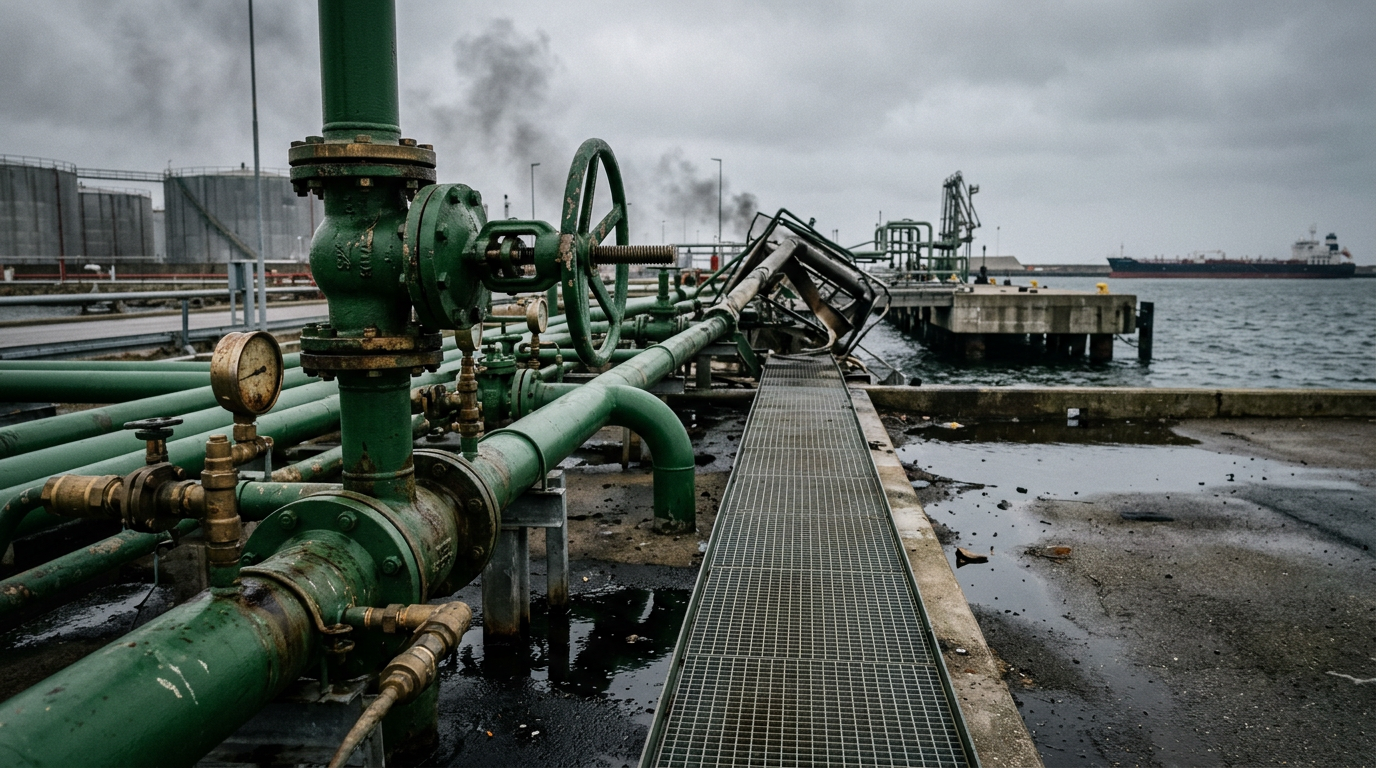
The United States military executed airstrikes against facilities associated with Iran's oil infrastructure on Kharg Island on March 13, 2026. These operations targeted key components of the Iranian oil network, a detail later confirmed by former President Trump. The full extent of the damage and its immediate impact on Iran's crude oil output remain undisclosed by U.S. authorities.
This military action occurred shortly after a U.S. refueling aircraft crashed in Iraq on March 14, 2026, resulting in the fatalities of all six crew members aboard. While the U.S. government has not directly linked the two events, the timing suggests a period of heightened operational activity in the region.
Escalating Regional Dynamics
The strikes unfold within a broader context of persistent geopolitical friction in the Middle East. Tensions between the U.S. and Iran have been a recurring feature of regional stability for decades, often manifesting through proxy conflicts and strategic military maneuvers. Kharg Island is a critical hub for Iran's oil exports, making any disruption to its facilities a significant economic and strategic concern for Tehran.
Previous Policy Decisions and Criticisms
Prior to these strikes, the U.S. had recently issued a 30-day waiver on sanctions against Russian oil, a move that drew sharp criticism from Ukrainian President Zelenskyy. This decision, aimed at stabilizing global energy markets, highlighted the complex interplay of international energy policy and geopolitical alliances, particularly in the context of the ongoing conflict in Ukraine.
Strategic Importance of Kharg Island
Kharg Island serves as Iran's primary oil export terminal, handling the vast majority of the country's crude oil shipments. Its strategic importance means that any attack on its infrastructure carries significant implications for Iran's economy and its ability to finance state operations. Past disruptions to oil facilities in the Persian Gulf have historically led to spikes in global oil prices and increased market volatility.
Potential Economic and Political Repercussions
The strikes could lead to a range of economic and political repercussions. Economically, a sustained disruption to Iranian oil exports could tighten global supply, potentially driving up crude oil prices. Politically, the action risks further escalating tensions between Washington and Tehran, possibly leading to retaliatory measures or increased instability in the Strait of Hormuz, a vital chokepoint for global oil transit.
The international community will be closely monitoring official statements from both nations and any subsequent military movements in the coming days.
International Reactions and Outlook
International reactions to the strikes are anticipated to be varied, with allies likely expressing support for U.S. actions while adversaries condemn them. The incident underscores the fragile security environment in the Middle East and the intricate challenges involved in managing regional power dynamics and global energy security. Future developments will depend on the diplomatic responses and any further military actions undertaken by the involved parties.
Implications
Country Impact: The strikes could intensify geopolitical tensions between the United States and Iran, potentially leading to retaliatory actions and further destabilization in the Middle East. Iran's economic stability, heavily reliant on oil exports, faces direct pressure from any sustained disruption to its primary export terminal.
Industry Impact: The global energy sector may experience increased volatility and potential price hikes for crude oil if Iranian export capabilities are significantly impaired. Shipping and logistics industries operating in the Persian Gulf could face heightened security risks and increased insurance premiums.
Market Impact: Global financial markets, particularly energy futures, could react with upward price movements for oil and gas. Broader equity markets might show caution due to increased geopolitical risk, while bond markets could see a flight to safety, impacting yields.