UAE Quits OPEC, Reshaping Global Oil Dynamics
UAE exits OPEC effective Friday, ending membership since 1967 and adding uncertainty to oil supply management amid volatile prices and Hormuz tensions.
Lauren Collins ·
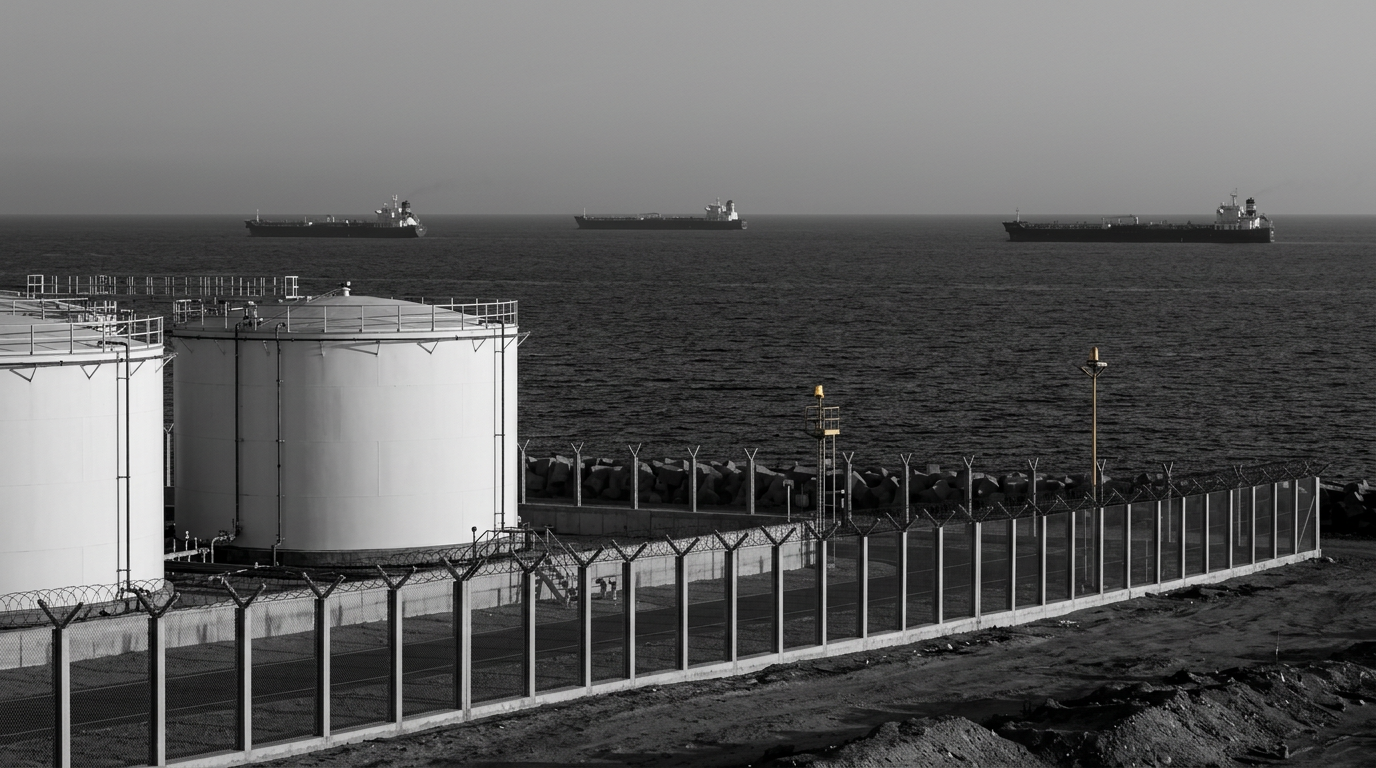
The United Arab Emirates will leave the Organization of the Petroleum Exporting Countries (OPEC) effective Friday, ending a membership that began in 1967. Officials framed the move as part of the UAE’s long-term strategic and economic vision, giving it more room to set oil production policy outside the group’s framework.
The announcement comes during a period of energy-market volatility and heightened regional geopolitical tensions. The UAE’s departure removes a long-standing producer from a bloc that has historically sought to manage supply conditions and influence pricing in global oil markets.
OPEC’s supply management faces a key loss
The exit is expected to weaken OPEC’s ability to address oil supply imbalances, according to the source material. With one fewer member coordinating output, the group’s capacity to act as a stabilizing force could be reduced, potentially contributing to sharper price swings.
The UAE is described as one of the few OPEC members with substantial spare capacity. That matters because spare capacity can be used to respond quickly to disruptions, and the UAE’s independent production decisions could complicate efforts to manage supply conditions through coordinated action.
Saudi Arabia’s stabilizer role and market volatility
The source material says the UAE’s new flexibility could challenge Saudi Arabia’s position as the primary market stabilizer. If the UAE adjusts production on its own timetable, it could alter how quickly and how effectively the broader market responds to disruptions.
Oil prices cited in the report underscore the current volatility. Brent crude recently reached $119.50 a barrel, and it was also reported as rising 3.4% to $111.67 on Tuesday, reflecting ongoing market disruptions.
Geopolitical backdrop: Strait of Hormuz tensions
The decision follows the UAE’s criticism of other Arab states for what it described as insufficient support against Iranian attacks in the Strait of Hormuz. The strait is a critical chokepoint for global energy flows, and the report notes it typically handles one-fifth of the world’s crude oil and liquefied natural gas shipments.
While the source links the timing to regional tensions, it does not specify how the UAE will adjust production after leaving OPEC. It also remains unclear how other producers will respond, or whether OPEC will change its approach to managing supply without the UAE.
US political angle highlighted in the report
The development is also described as a strategic gain for the United States, particularly for former President Donald Trump, who had criticized OPEC for inflating oil prices. The report does not detail any US policy response tied to the UAE’s decision.