Soaring Oil Prices Fuel Recession Fears
Oil price spikes tied to the ongoing Iran war and Strait of Hormuz risks could transmit through importers and raise global recession risk.
Atlas Newsdesk ·
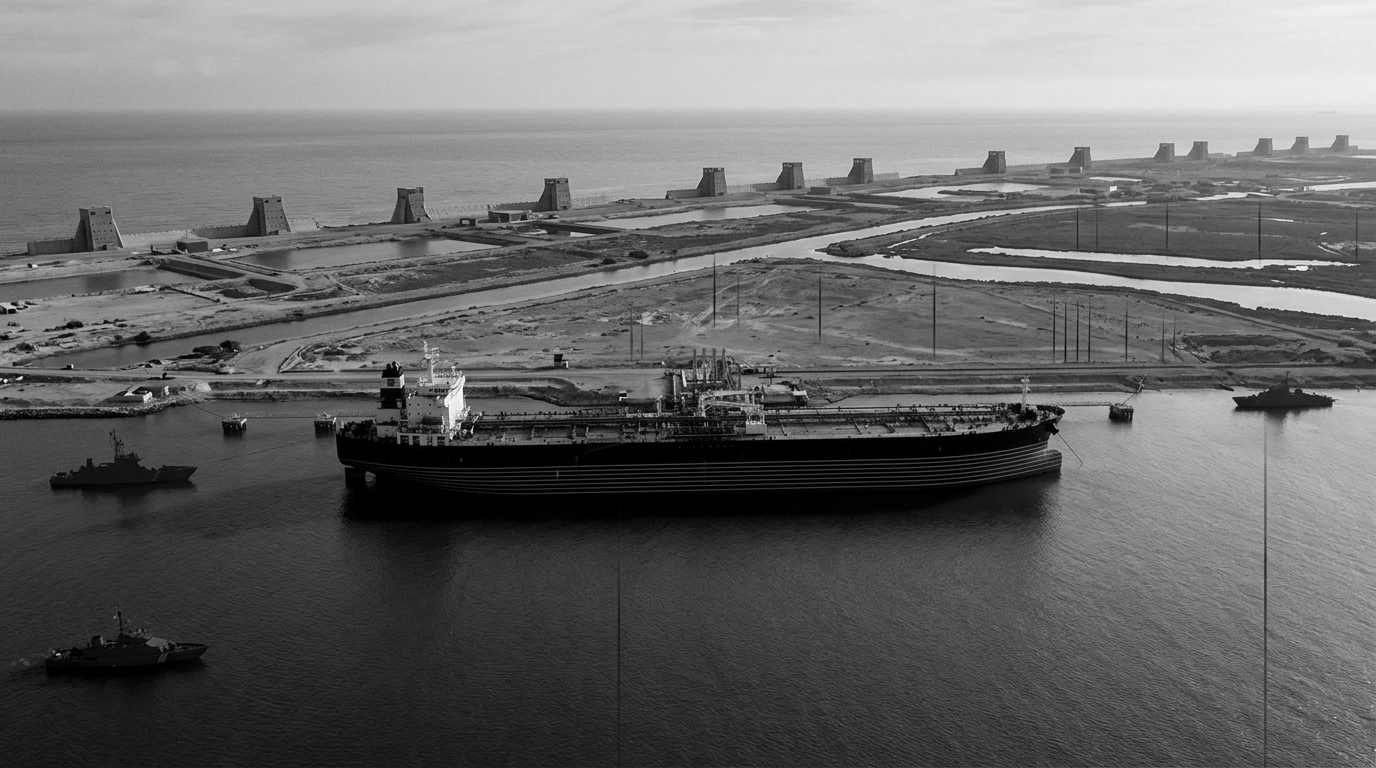
Oil price spikes are being flagged as a potential trigger for a global recession , particularly if they are driven by geopolitical conflict that disrupts supply. Officials and analysts have long pointed to energy-cost surges as a recurring stress point for the world economy, and the current backdrop includes the ongoing Iran war and the risk that the Strait of Hormuz could be closed.
The concern centers on how higher crude prices move through economies that depend heavily on imported oil. The transmission is both direct—through higher fuel and transport costs—and indirect, as energy is an input across supply chains. The source material notes that a substantial share of recessions since the rise of fossil-fuel use has been associated with energy price shocks, underscoring how quickly oil can become a macroeconomic constraint.
Some of the most exposed economies are those with limited domestic fossil-fuel resources and high reliance on Middle Eastern supply. South Korea and Japan are highlighted as particularly vulnerable because their energy systems depend significantly on imported oil, including from the Middle East. The same dynamic can apply to import-dependent countries in Latin America, where higher import bills can tighten financial conditions and pressure growth.
The effects are not confined to fuel markets. The source material links oil-driven cost increases to food prices, especially in regions where agriculture depends indirectly on affordable fossil fuels. Africa is cited as a region where this channel can be acute, as energy costs can influence production, processing, and distribution, amplifying price pressures for households and governments.
The United States is described as having some insulation from a direct oil-price shock because of domestic production. Even so, the source material emphasizes that the US would still be exposed to the broader consequences of a global downturn, including weaker external demand and tighter global financial conditions if a sustained conflict disrupts oil flows and keeps prices elevated.
What remains uncertain is the duration and scale of any supply disruption tied to the ongoing Iran war, and whether the Strait of Hormuz faces closure. The source material frames these as key variables that could determine whether higher energy costs remain a manageable headwind or become a catalyst for widespread economic contraction.