Turkey’s Central Bank Holds Policy Rate at 37%
Atlas Newsdesk ·
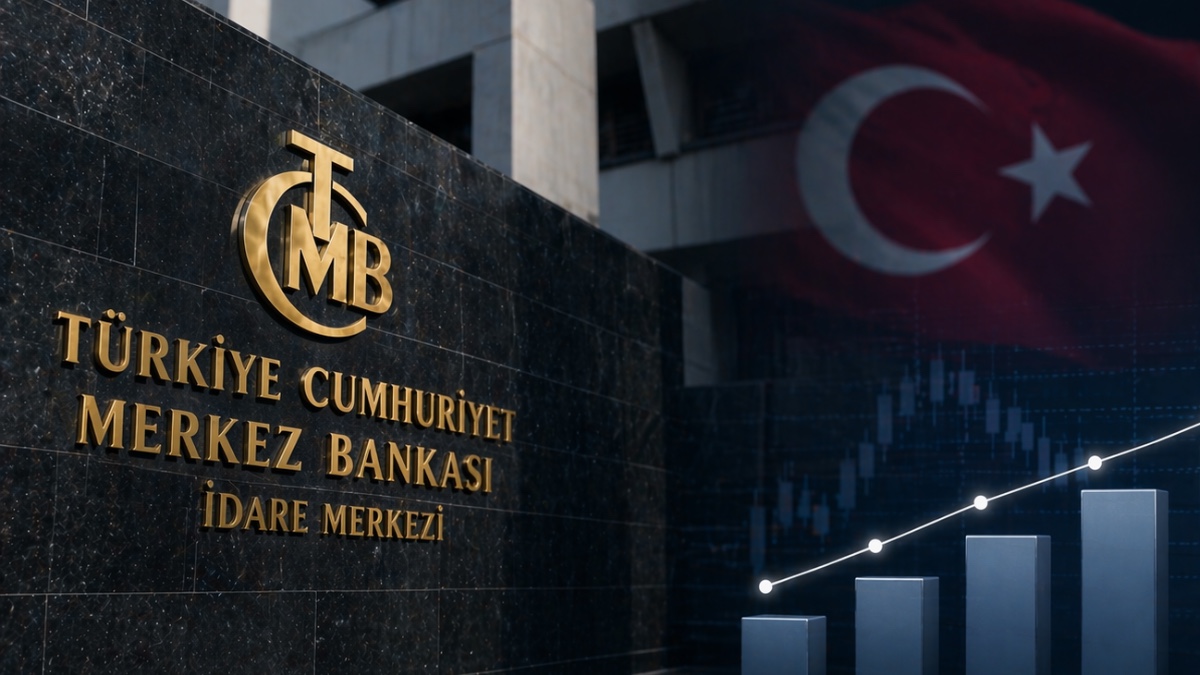
Turkey's central bank has maintained its primary interest rate, the one-week repo rate, at 37%, signaling a period of assessment following an intensive campaign to control inflation. This decision was made during the recent session of the Monetary Policy Committee, presided over by Governor Fatih Karahan.
Maintaining Interest Rates
The central bank also opted to keep its overnight lending rate at 40% and its borrowing rate at 35.5%, thereby preserving the existing interest rate corridor. This move indicates a deliberate pause in policy adjustments after prior rate hikes that aimed to stabilize inflation expectations. While officials noted a moderation in inflation during March, they cautioned that the overall trend remains inconsistent.
Inflation Trends
According to data cited by the bank, the underlying inflation trend showed a slowdown in March but could see an acceleration in April. Early indicators suggest a potential resurgence, underscoring the delicate nature of recent progress. This fluctuating pattern complicates future policy decisions, as authorities evaluate the sustainability of the current deceleration.
Policy Shift
Turkey has contended with persistent high inflation in recent years, leading to a shift towards more conventional monetary policies. The present interest rate level is a result of a tightening phase designed to stabilize prices and rebuild economic confidence. Previous policy actions focused on managing demand and mitigating currency pressures, both of which have influenced price dynamics.
Economic Activity
The central bank observed signs of reduced economic activity, suggesting that tighter financial conditions are beginning to impact growth. Businesses and consumers continue to face elevated borrowing costs, which are constraining spending and investment. Policymakers are simultaneously monitoring whether these conditions will effectively curb inflation without precipitating a more significant economic downturn.
External Factors
Energy prices continue to be a major source of uncertainty. The bank highlighted ongoing volatility stemming from geopolitical developments, which has kept global energy costs elevated. These pressures contribute to domestic prices through production expenses and consumer energy bills, complicating the inflation outlook and limiting the scope for policy maneuvers.
Turkey’s monetary policy approach also reflects broader international economic conditions, including fluctuating commodity markets and geopolitical tensions. These external factors influence capital flows, exchange rates, and import costs, all of which shape domestic inflationary pressures. The central bank's cautious stance suggests an awareness that external shocks could rapidly reverse any recent improvements.
Future Outlook
Looking ahead, the central bank emphasized the importance of closely monitoring second-round effects on inflation, particularly how initial cost increases translate into wider price pressures. A key risk involves whether inflation expectations remain stable amidst fluctuating data. Future policy decisions will likely be guided by upcoming economic indicators, especially April’s inflation figures and developments in global energy markets.