

Amazon Unveils Hybrid Supercenter to Vie With Walmart
Amazon is developing Project Kobe hybrid supercenters that pair retail space with robotics fulfillment to compete with Walmart.
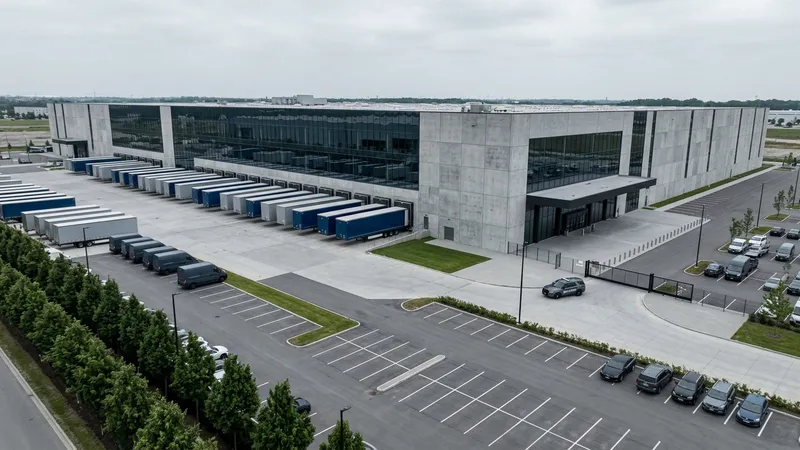
Amazon is developing a new set of large-format physical stores that combine a traditional retail floor with an automated fulfillment operation, according to internal planning tied to an initiative called Project Kobe . The concept is designed as a hybrid supercenter that would sell groceries and general merchandise while also using robotics to manage inventory and process orders from the same site.
Under the model described in internal materials, each location would include a customer-facing shopping area and a back-of-house, robotics-driven fulfillment center. That integrated operation is intended to support multiple channels at once: stocking shelves for in-store customers while also preparing online orders for curbside pickup and local delivery. The company’s aim is to run these functions as a single hub, linking physical shopping with its established e-commerce logistics.
The initiative is positioned as a direct competitive move against supercenter leaders such as Walmart. The approach applies Amazon’s technology and logistics capabilities to a larger physical footprint, seeking to narrow the gap between online convenience and in-person selection. Internal documents obtained by news outlets also list previously undisclosed locations for future stores, indicating the effort has moved beyond a purely conceptual stage.
Operationally, the plan relies on artificial intelligence to guide decisions on inventory levels and product assortments tailored to each store’s local market. The intent is to create a supply chain that can adjust quickly to changes in local demand, using data to determine what should be stocked and in what quantities. By pairing a storefront with a micro-fulfillment function, the design targets faster handling of last-mile orders from the same building that serves walk-in shoppers.
Early projections described in the materials indicate these hybrid supercenters would cost more to operate than Amazon’s existing physical store formats. The higher expense is linked to the scale of the real estate and the investment required for robotics and AI systems. Even with those costs, the project signals a longer-term push to expand Amazon’s presence in physical retail through a format that blends store operations with automated logistics.
For the broader retail sector, the initiative is being watched as a test of whether high-tech automation can be integrated into the supercenter model at scale. Formal announcements on openings and performance metrics have not been detailed in the materials described, leaving uncertainty around timing and how the company will measure success.
The outcome of Project Kobe is expected to shape how competitors think about omnichannel retail, particularly where speed of fulfillment and in-store experience are managed as one system.
More stories
- Ukraine says Russia hits six energy targets after Trump ceasefire
- Orange board weighs Amazon drones, $3,498 refunds
- Allison Transmission stock compounds at 26% over five years
- Nasdaq 100 breaks support as US indexes retreat
- Trump faces six-day tariff deadline with no public notice
- Tibidabo marks 125 years as Barcelona landmark
- Goldman: AI Job Loss Creates Decades of Lower Earnings
- Late RSV Season Prompts Immunization Window Extension
- Gas Prices Have Risen More Than 30% in Some States in Weeks Since Iran War Began - The New York Times
- ‘The new ketchup’? How hummus spread beyond a niche into a British staple
Latest news
- Pope Leo plans lung surgery, pauses events to October 20
- Anthropic cuts web access after AI testing incidents
- Orion's $59.3 million fraud charge spotlights wire scams
- Russia rejects 60-day Ukraine truce, offers election-day pause
- Russian Strikes Test Trump's Energy Ceasefire
- EA brings AFC Richmond Women to EA Sports FC 27
- SpaceX spectrum deal sends T-Mobile down 12%