U.S. Futures Climb After Trump Keeps Iran Truce in Place
Atlas Newsdesk ·
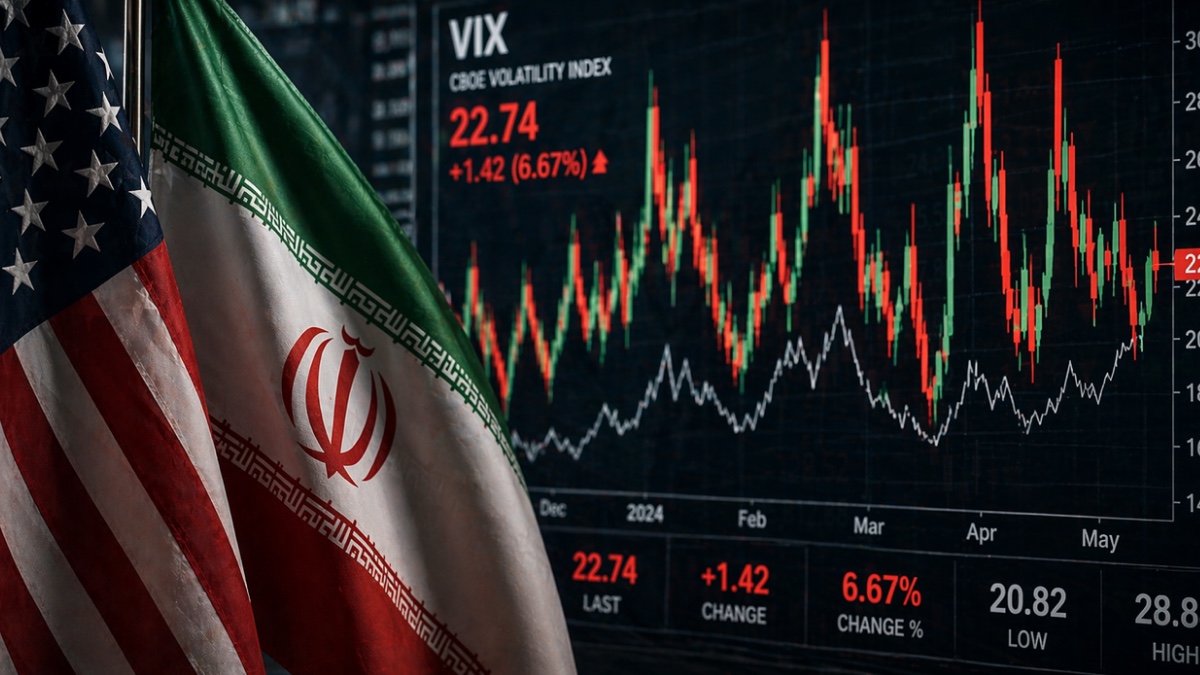
U.S. stock futures rose Wednesday after President Donald Trump said the ceasefire with Iran would continue beyond its original deadline, easing fears of an immediate military escalation while leaving the broader diplomatic outcome unsettled.
Market Reaction to Ceasefire Extension
The move in futures reflected a simple market judgment: a delayed conflict is better than a resumed one. Before the opening bell, contracts tied to the S&P 500, Nasdaq 100 and Dow Jones Industrial Average all pointed higher after Trump said the U.S. would keep the truce in place while waiting for a unified proposal from Iran’s leadership. That shift gave investors room to buy risk again after two uneasy sessions shaped by worries over the Middle East and energy supply.
What changed was not a peace agreement, but Washington’s timetable. Trump had been facing the expiration of a two-week ceasefire first announced in early April, yet on Tuesday night he said the pause would continue and that U.S. forces would remain on standby while the naval blockade stayed in place. Markets treated that as a near-term reduction in escalation risk, even though the administration offered no fixed end date for the extension.
Wall Street's Recovery
Background matters here because Wall Street had already staged a sharp recovery on hopes that the war would not widen. By the end of last week, the S&P 500 had climbed above 7,100 for the first time, while the Nasdaq Composite also posted fresh records as falling oil prices and optimism over diplomacy helped reverse the selloff triggered earlier in the conflict. The latest futures bounce builds on that same pattern: investors are rewarding any sign that the Strait of Hormuz crisis will not spiral back into a direct economic shock.
Direct Market Impact
The immediate beneficiaries are the same groups that were hit hardest when oil spiked and war fears deepened: broad equities, especially technology and other growth sectors that are sensitive to interest-rate and inflation expectations. When traders believe the odds of another supply disruption are falling, they are more willing to pay for earnings growth and long-duration assets. That helps explain why Nasdaq futures outpaced the broader market in early trading.
Industry Implications
For companies, the market’s reaction is about more than geopolitics. JPMorgan recently lifted its 2026 target for the S&P 500 to 7,600, arguing that stronger earnings and renewed enthusiasm around artificial intelligence could keep the rally going, with an even more bullish case if Middle East tensions ease further. That outlook gives investors a second narrative beyond diplomacy: even a partial calming of the region could leave focus on AI spending, productivity gains and first-quarter results rather than on crude and shipping lanes.
Broader Economic Question
The bigger economic question is whether the ceasefire merely postpones inflation pressure or genuinely reduces it. Oil had already swung violently during the conflict, and the Strait of Hormuz remains a critical route for global energy flows. A sustained truce would lessen the chance of another price shock feeding into transport, manufacturing and consumer costs; a breakdown would quickly revive those concerns in the U.S., Europe and Asia.
The relief trade is real, but it is also conditional. Reports indicate Vice President JD Vance’s planned travel tied to peace efforts was paused, while Tehran has shown little sign of urgency about returning to negotiations. That leaves markets in a familiar position: willing to rally on de-escalation headlines, but exposed to sharp reversals if talks stall, the blockade tightens, or energy markets decide the ceasefire is only buying time rather than changing the trajectory of the conflict