Mideast Conflict Squeezes Global Aluminum Supply
Aluminium supply shock linked to the Middle East war is tightening markets, lifting LME prices and physical premiums, Mercuria said.
Atlas Newsdesk ·
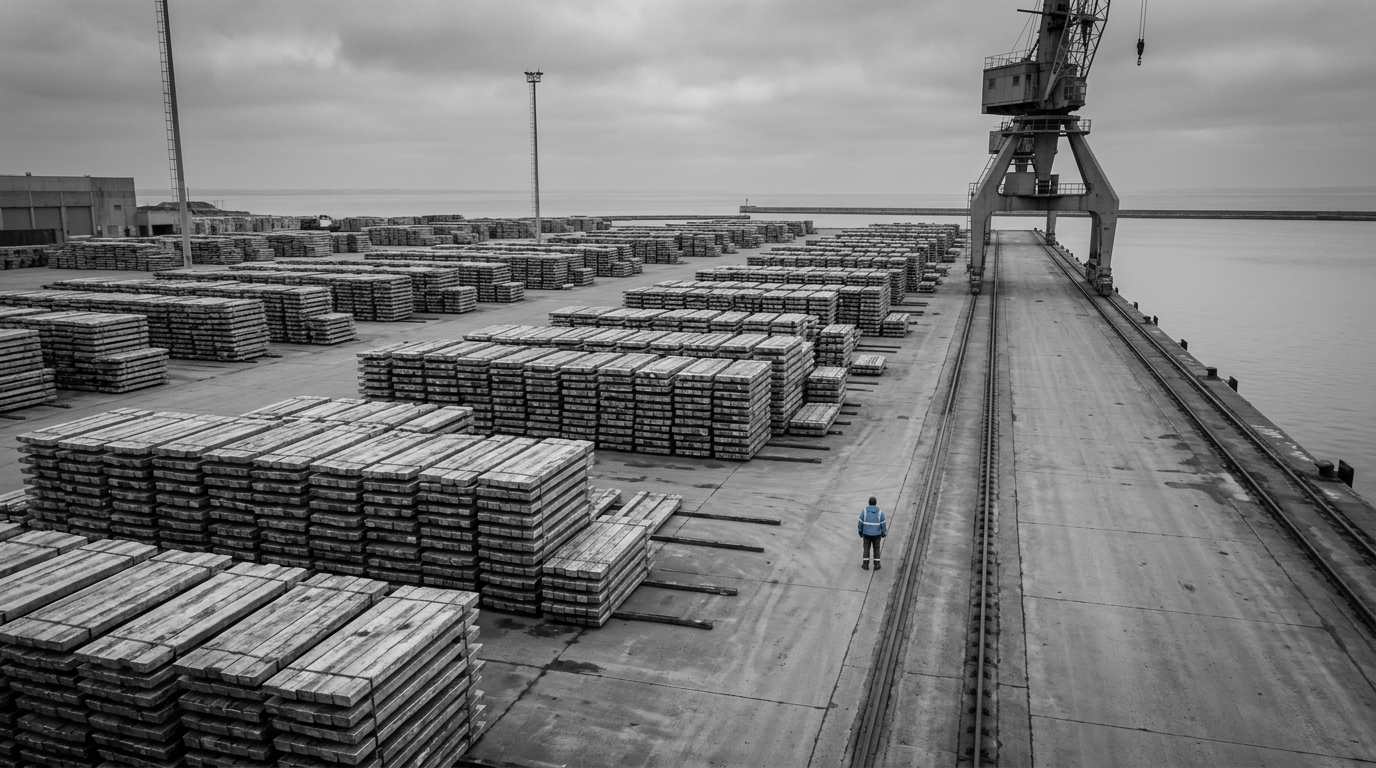
Global aluminium supply is being hit by a major disruption linked to the Middle East war , commodity trader Mercuria said, warning the market is facing what it described as a “black swan” event. Mercuria said the impact is already feeding into pricing and availability, and it expects shortages to persist through 2026.
The Middle East represents about 7 million metric tons of annual aluminium smelting capacity, which Mercuria put at roughly 9% of estimated global supply. With that portion of production affected, Mercuria said the market is moving into a period where supply constraints are likely to be felt across regions that rely on imported metal.
Price signals have strengthened alongside the disruption. London Metal Exchange (LME) aluminium reached a four-year high of $3,672 per ton on April 16, according to the data cited. Mercuria also estimated a minimum deficit of roughly 2 million tons by the end of the year, underscoring the scale of the imbalance it sees developing.
Inventories appear limited relative to the projected shortfall. Mercuria compared the estimated deficit with about 1.5 million tons of visible inventory and just over 3 million tons of total global stock, suggesting there is not a large buffer if supply remains constrained. In practical terms, that can translate into tighter availability for manufacturers and higher costs for buyers seeking prompt delivery.
The United States and Europe were highlighted as particularly exposed because existing stocks are low and both regions import meaningful volumes from the Middle East. Last year, the U.S. imported nearly 22% of its 3.4 million tons of primary and alloyed aluminium from the Middle East, while Europe imported about 18.5% of its 1.2 million tons from the region, Mercuria said.
Physical market indicators have also moved sharply. Premiums for physical metal climbed to a record $1.14 per pound in the U.S. and to a nearly four-year high of $599 per ton in Europe earlier in April, according to the figures cited. Those premiums can reflect immediate scarcity and higher costs to secure metal outside exchange warehouses.
What remains uncertain is how long the disruption persists and how quickly supply chains can adjust , given the limited inventory cited and the reliance of key consuming regions on Middle East flows. Mercuria’s view points to a market where price volatility and availability risks could remain elevated as buyers compete for supply and as the deficit it estimates develops into year-end.