Strait of Hormuz Closure Halts Record Oil Flow Amid Iran War
Iran war and Hormuz closure, as of April 22, 2026, drove a record oil supply loss above 12 million bpd, prompting a 400m-barrel release.
Atlas Newsdesk ·
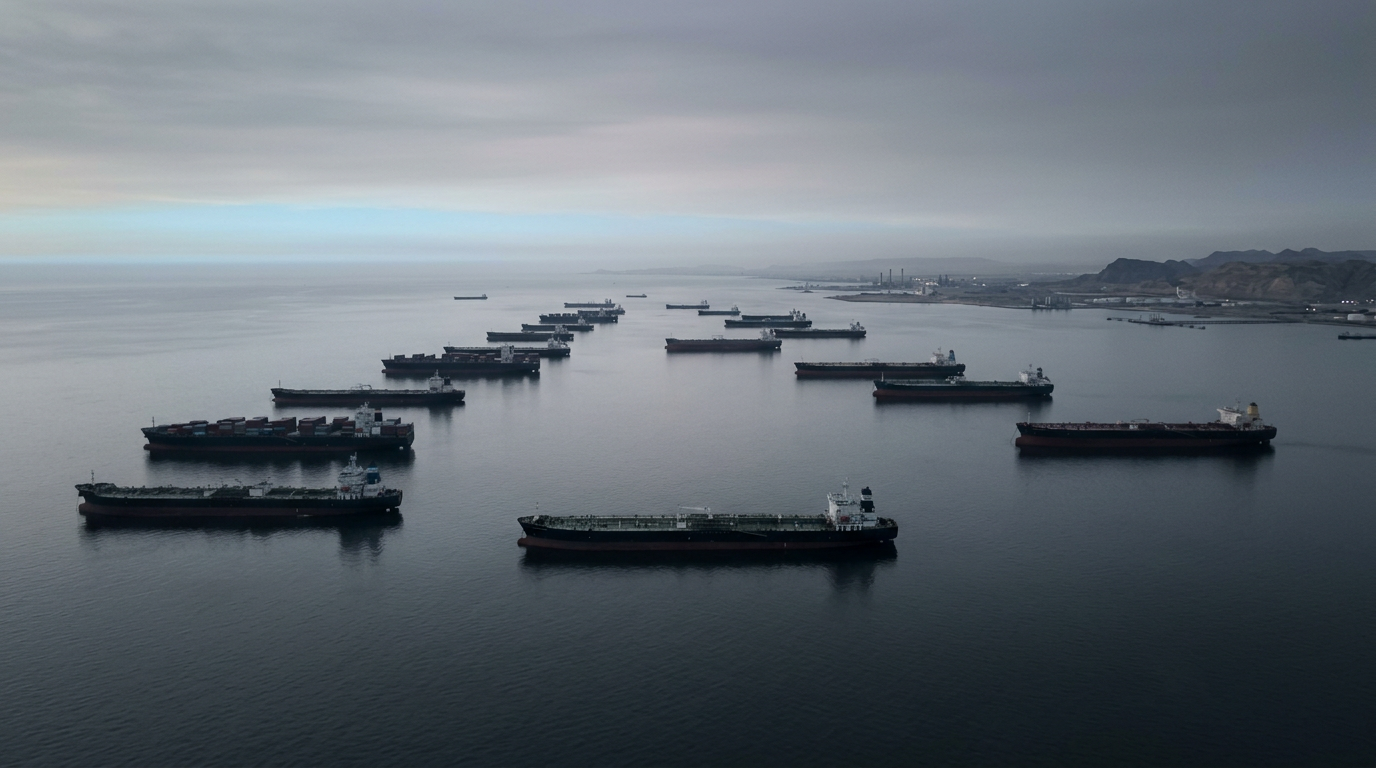
S. Department of Energy data describe as the largest daily oil supply disruption on record. Officials and data cited in those calculations indicate the disruption reached a peak supply loss exceeding 12 million barrels per day (bpd). 3 million bpd this year.
The IEA has described the situation as the most severe energy crisis globally, and it said the shock is being worsened by lingering effects from the European gas crisis that followed Russia's 2022 invasion of Ukraine. Unlike earlier episodes that were concentrated in crude, the IEA said the current crisis is hitting multiple energy and commodity streams at the same time. The disruptions are affecting crude oil, natural gas, refined fuels, and fertilizer supplies.
On a daily basis, the peak loss of more than 12 million bpd exceeds several benchmark historical disruptions cited in the same comparison. Those include 4.5 million bpd during the 1973-74 Arab oil embargo, 5.6 million bpd during the 1978-79 Iranian Revolution, and 4.3 million bpd during the 1991 Gulf War. The comparison also notes that today’s LNG market adds a channel of disruption that did not meaningfully exist in earlier crises.
In addition to crude flows, the conflict has halted about one-fifth of the world’s liquefied natural gas (LNG) production in Qatar. Disruptions to Gulf refineries have also contributed to shortages of jet fuel and diesel, widening the impact beyond upstream oil supply into transport and industrial fuel markets. The combined effect has made the shock broader than past oil-only disruptions, according to the IEA’s characterization.
Even with the record daily loss, the total barrels removed over time may be smaller than some past events , based on the same data comparisons. The current conflict has lasted 52 days and has removed an estimated 624 million barrels from the market. By contrast, the 1978-79 Iranian Revolution produced a smaller peak daily loss but a much larger cumulative loss of about 4.27 billion barrels over three years, although the comparison notes that neighboring Gulf states offset much of that shortfall.
To counter the loss of Middle Eastern supply and to help stabilize prices, the IEA has responded by releasing a record 400 million barrels from strategic stockpiles. How quickly disrupted flows can resume, and whether refined fuel and LNG constraints ease in parallel with crude supply, remain key uncertainties highlighted by the breadth of the current disruption.