

Turkey and Iran extend natural gas deal through 2032
The pact protects Ankara from volatile liquefied natural gas prices while preserving pipeline export revenues for Tehran under monitored escrow arrangements…
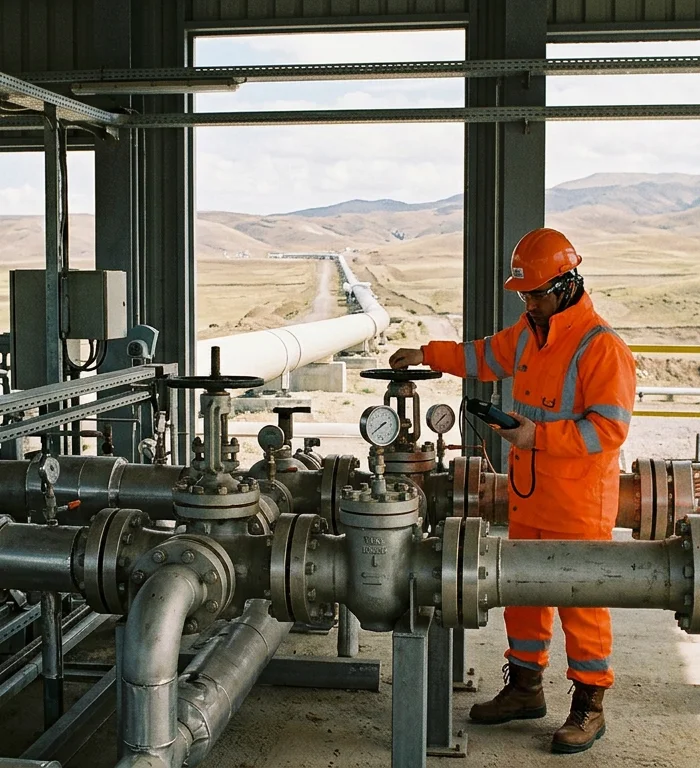
Turkey’s state pipeline operator BOTAŞ and the National Iranian Gas Company agreed to extend their natural gas import contract through 2032, according to reporting on Nov. 27 by Bloomberg citing people familiar with the matter.
The renewal maintains an essential energy corridor for Turkey, where Iran slipped from the second-largest gas supplier a decade ago to the fourth-largest in 2025 as Ankara diversified supplies, according to data from Turkey’s Energy Market Regulatory Authority.
The original 25-year supply agreement expired in July, though pipeline flows continued under deliveries of previously paid but uncollected volumes. The prior contract covered 10 billion cubic meters per year, though people familiar with the terms said it remains unclear whether the annual volume was adjusted in the new framework. Turkey’s Ministry of Energy and Natural Resources, BOTAŞ, and Iran’s Oil Ministry did not comment on the reported agreement, which was first raised by Istanbul-based energy consultancy Enerji IQ.
Pipeline gas sales have gained critical financial importance for Tehran as US economic measures restrict its overseas commerce. Crude oil exports from Iran halted almost entirely following a US maritime blockade of southern ports, alongside the creation of a dedicated American unit targeting overland and Caspian Sea trade routes. While domestic consumption absorbs most of Iran's gas production, pipeline exports to Turkey and Iraq represent primary foreign revenue sources.
Turkish payments for the imports remain insulated from financial penalties through an established bilateral framework with Washington. Turkish Treasury and Finance Minister Mehmet Şimşek said in September that Ankara deposits gas payments into a strictly monitored account that permits Iranian withdrawals exclusively for humanitarian purchases, including food and medicine.
Siamak Adibi, director of gas and LNG supply analytics at consultancy FGE NexantECA, said pipeline gas offers Turkey a cost advantage over higher-priced liquefied natural gas imports, while sustaining cross-border commerce for Tehran. Iran is also pursuing regional energy diplomacy to maintain export corridors, with Deputy Oil Minister Hamid Bovard stating earlier in November that Tehran is holding discussions with Azerbaijan and Armenia regarding gas trade and transit.
More stories
- Musk pledges two SpaceX shares per child in new US giveaway
- US inflation reaches 3.8% before December Fed rate meeting
- Global stocks fall 0.4% as tariffs and US inflation loom
- Trump prepares tariffs on China and other major exporters
- Banks face ECB reserve debate over liquidity and profits
- Investors see Anthropic debut gains fade below $83 a share
- France weighs costs as French riots test insurance sector
- Andalucía has 12 of Spain's 15 poorest municipalities
Latest news
- Duterte faces ICC trial over 85 alleged murders, 2 attempts
- Norse Atlantic suspends flights in urgent rescue funding bid
- Bardella denies antisemitism claims over teenage messages
- Retailers rethink Black Friday as discount fatigue grows
- Japan data centers face lawsuits over residential sites
- S&P puts Nvidia credit rating on watch over board concerns
- Washington targets China in new tariff push on trade ties
- Morocco targets 2030 World Cup final with new stadium bid