TSA warns airport delays amid DHS funding shutdown
TSA warns airport delays as DHS shutdown drives missed pay, high absenteeism, and staffing limits ahead of 2026 World Cup travel.
Lauren Collins ·
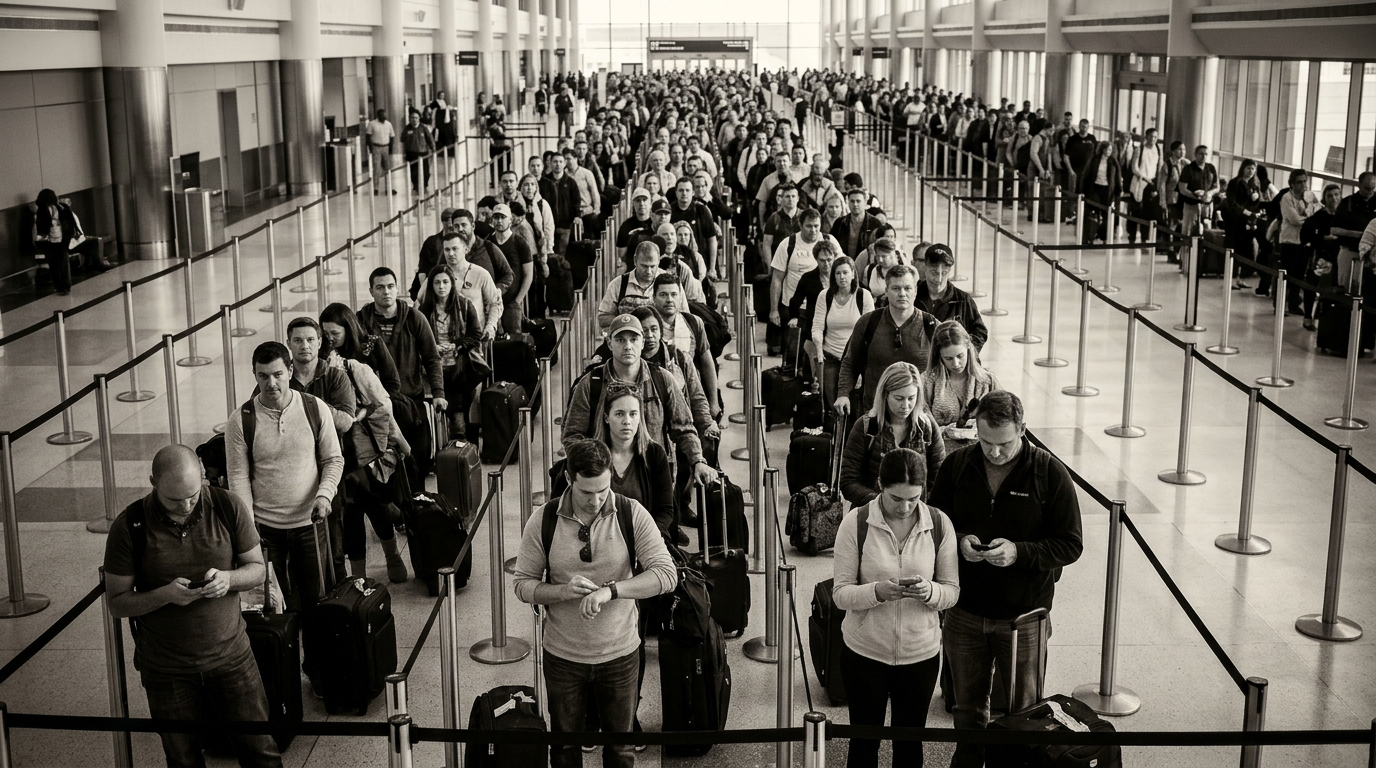
US airport security lines are hitting record-long waits as the Transportation Security Administration operates through a prolonged Department of Homeland Security funding shutdown, the agency’s acting leader told lawmakers.
Testifying in Washington on Wednesday, March 25, 2026, acting TSA administrator Ha Nguyen McNeill said the disruption is colliding with staffing gaps and the prospect of heavier travel demand tied to the 2026 FIFA World Cup.
What changed and why it matters now
McNeill said TSA has gone without appropriated funding for about half of the current fiscal year, following a 43-day federal funding lapse last year. She warned that the funding gap is now translating into operational strain at checkpoints.
By Friday, TSA employees will have missed a cumulative $1 billion in pay, McNeill said. She linked the missed pay to a sharp rise in call-outs that is reducing the number of officers available to staff screening lanes.
Staffing pressures at checkpoints
McNeill told the House committee that absenteeism has climbed to roughly 40% to 50% of staff calling out, compared with a pre-shutdown level of about 4%. With fewer screeners on duty, airports are seeing longer queues and slower throughput, she said.
The agency’s ability to quickly rebuild staffing is limited by training timelines. McNeill said preparing new Transportation Security Officers typically takes four to six months, meaning recruits brought on now would not be ready in time for the World Cup travel period.
Congressional talks and stopgap measures
Negotiations to end the DHS funding impasse remain stuck in Congress, McNeill said. She described a partisan split over a Republican plan to finance most DHS components while leaving Immigration and Customs Enforcement to be funded separately, a proposal Democrats rejected.
To keep lines moving, ICE personnel have been sent to airports to help with tasks that do not require specialized screening skills. McNeill said the support has been useful, while noting that some lawmakers have raised questions about whether ICE agents have the training and effectiveness needed for TSA-adjacent duties.
Market and policy relevance
Extended checkpoint delays can affect airlines, airports, and travel-related businesses by disrupting schedules and increasing operational complexity, particularly during major events that lift passenger volumes. The testimony also underscores how federal budget standoffs can quickly spill into frontline services with measurable impacts on mobility.
Key uncertainties remain: Congress has not reached a deal, and the duration of the shutdown is unknown. Separately, the extent to which temporary staffing support can offset high absenteeism is unclear, especially given the multi-month lead time required to qualify new TSOs.