US-China Summit Postponed Amid Trade, Geopolitical Tensions
A planned US-China presidential summit has been postponed, raising uncertainty in bilateral relations following trade talks on agriculture and rare earths.
Lauren Collins ·
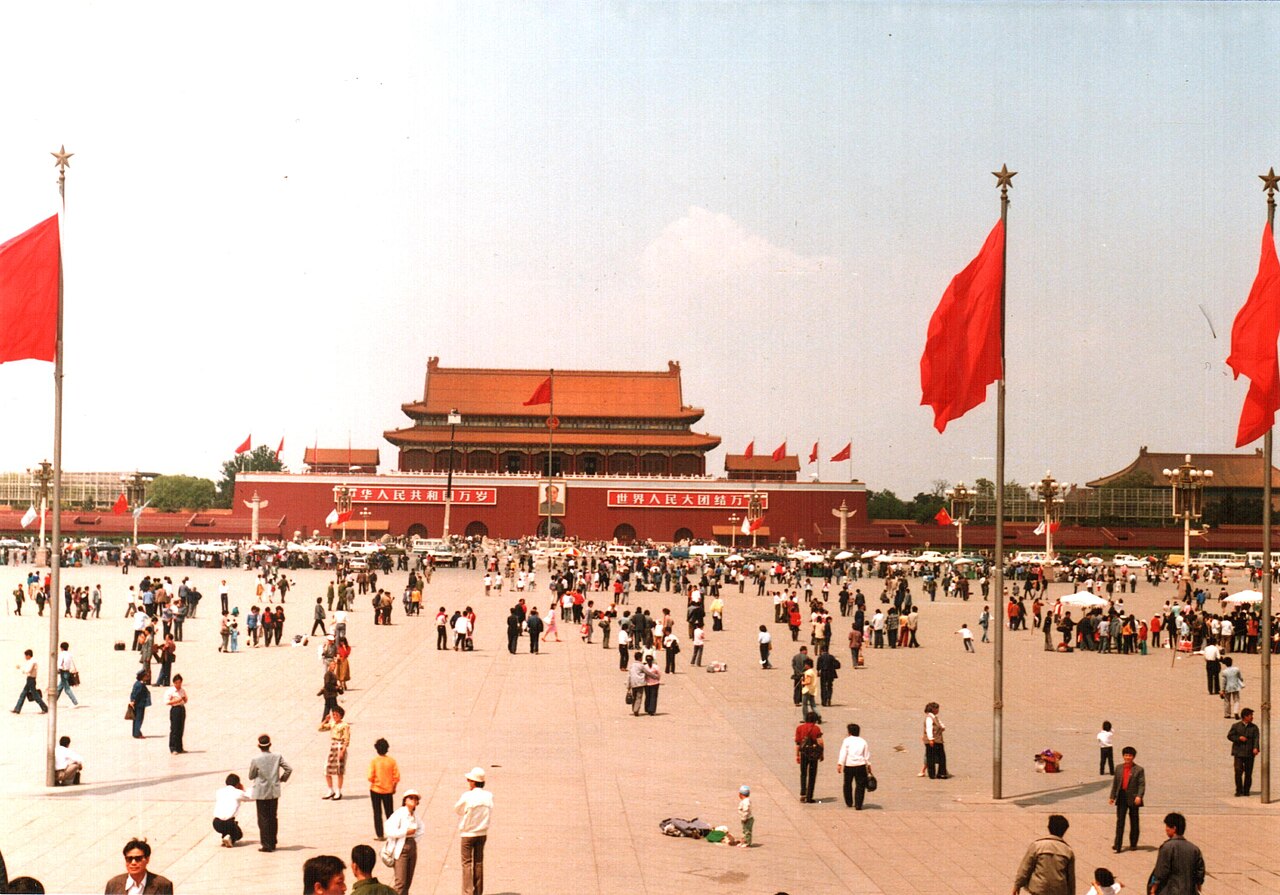
A scheduled summit between the United States and Chinese presidents has been postponed, introducing fresh uncertainty into the complex bilateral relationship. The delay follows recent high-level trade discussions held in Paris, which were intended to lay the groundwork for the leaders' meeting. These preparatory talks focused on potential Chinese acquisitions of American agricultural products and deliberations concerning rare earth minerals.
Both nations also explored new frameworks for managing their extensive trade and investment ties. The postponement comes amidst differing explanations from U.S. officials, citing the U.S. President's broader foreign policy commitments and the need for military coordination. Chinese state media, while describing the Paris trade talks as productive, cautioned against misinterpreting Beijing's willingness to engage.
Diplomatic Engagement and Economic Context
The deferral of the summit occurs at a time when China is particularly focused on maintaining global economic stability, given its significant reliance on exports. This emphasis on economic stability is a consistent theme in Beijing's foreign policy, influencing its approach to international trade disputes and diplomatic engagements.
Trade Negotiations and Strategic Resources
The Paris discussions specifically addressed critical areas of economic contention. S. S. Furthermore, the inclusion of rare earth minerals in the talks highlights their strategic importance in advanced technologies and global supply chains, an area where China holds significant market dominance.
Implications for Bilateral Relations
The postponement could create an opportunity for further trade actions or adjustments in policy from either side before the leaders eventually meet. This introduces new variables into the already intricate dynamics of U.S.-China interactions, potentially affecting market sentiment and diplomatic initiatives. The absence of a confirmed summit date leaves a vacuum that could be filled by escalating rhetoric or unilateral actions.
Historical Context of US-China Dialogues
S. and China have historically been crucial for managing competition and preventing miscalculation. Past summits have often served as platforms for de-escalation and the establishment of working groups on various issues, from climate change to cybersecurity.
The current delay underscores the persistent challenges in aligning the strategic interests of the world's two largest economies, particularly concerning trade imbalances, technological competition, and geopolitical influence in regions like the Indo-Pacific.
Outlook for Future Engagements
The path forward will likely involve continued lower-level diplomatic and trade discussions to bridge existing gaps. The timing and agenda of any rescheduled summit will be closely watched for indications of progress or further deterioration in relations. Both nations face domestic and international pressures that shape their negotiating positions, making the coordination of such high-stakes meetings inherently complex.
Implications
Country Impact: The postponement introduces uncertainty for both the U.S. and China, potentially affecting domestic policy decisions related to trade and foreign relations. It could lead to increased pressure on negotiators to achieve breakthroughs in subsequent discussions.
Industry Impact: Industries reliant on U.S.-China trade, particularly agriculture and technology sectors involved with rare earth minerals, may face continued volatility. Businesses could delay investment decisions pending clearer signals on trade policy.
Market Impact: Global financial markets may react with caution to the lack of a confirmed high-level dialogue, potentially impacting investor confidence. Currency markets and commodity prices, especially for agricultural goods and strategic minerals, could experience fluctuations.