Trump Approval Drops to 33% as Iran Conflict Worries Grow
Trump approval stands at 33% in an August 17, 2026 poll, with Iran conflict concerns and rising fuel prices shaping public views.
Atlas Newsdesk ·
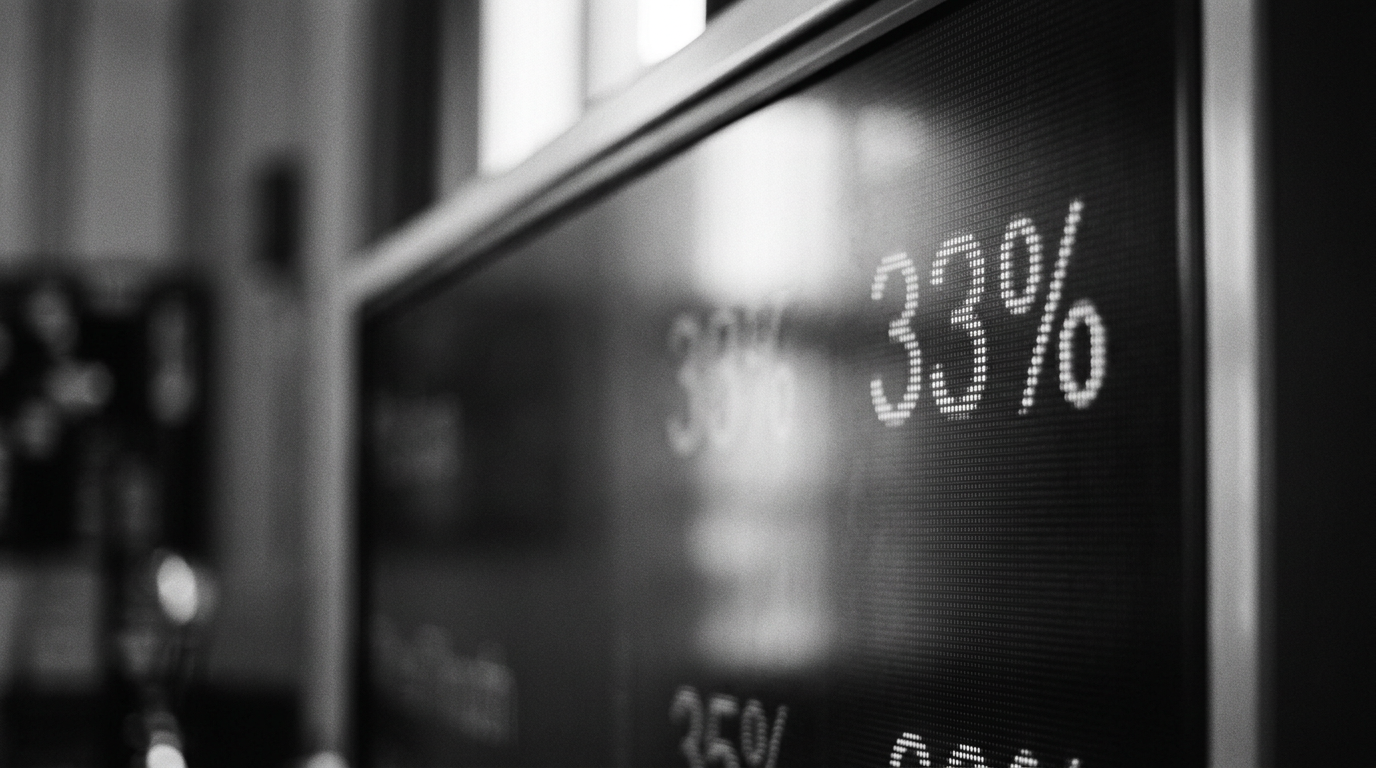
United States President Donald Trump’s approval rating fell to 33%, matching the lowest level recorded during his presidency, according to a poll released on August 17, 2026. The survey was conducted over four days and came as respondents pointed to worries about the ongoing conflict with Iran and its domestic economic effects.
The same polling found that 64% of Americans disapprove of Trump’s job performance. Participants linked their views to uncertainty about where the conflict is headed and how its consequences are being felt at home, with energy costs repeatedly cited as a major factor in judging the administration’s handling of the situation.
Fuel prices emerge as a central pressure point
According to the polling’s descriptions, fuel prices and the perceived household cost of the military engagement featured prominently in how respondents explained their opinions. The findings indicate that support weakened in ways many respondents associated with economic fallout tied to the war, particularly higher fuel costs that directly affect household budgets.
Data from the American Automobile Association shows gasoline prices have risen by nearly 33% over the past year. The poll’s framing suggests increases of that scale can squeeze day-to-day spending and become a highly visible measure many voters use when evaluating government performance during a conflict.
The conflict has also affected global energy flows by disrupting exports through the Strait of Hormuz. Officials and analysts often describe the passage as a critical route for energy shipments, and disruptions there can quickly translate into price pressure, reinforcing public concern about both the duration of fighting and the economic costs of sustained operations.
Public expectation shifts toward a longer campaign
Officials initially described the military campaign as a short-term operation intended to prevent nuclear proliferation. Fighting has continued, however, and the poll indicates that more Americans now doubt the engagement will end soon.
In the survey, 80% of respondents said they expect the conflict to continue for an extended period. The results carry political significance in the sense that they reflect a public mindset that treats the engagement less like a limited intervention and more like an open-ended commitment with continuing costs.
The poll does not determine how opinions might change if conditions shift, and it does not establish how quickly energy prices could ease. Still, the findings underline uncertainty on two fronts: how long the conflict will last and how long elevated fuel costs may remain a defining factor in public attitudes.
Strain shows up inside Trump’s core support
The polling also points to slippage within Trump’s political base. Recent polling cited alongside the main findings indicates that only one-third of self-identified MAGA voters say the current economic burden is justified by the strategic objectives in Iran.
Taken together, the figures suggest the administration is confronting pressure on two tracks at once, as described in the polling: sustaining support for the campaign’s strategic rationale while responding to the immediate financial strain that many voters associate with higher energy costs.