Cheng Li-wun Defends Beijing Dialogue Amid Political Backlash
Taiwan KMT chair Cheng Li-wun says direct dialogue with Beijing is the island’s best protection, after meeting Xi Jinping in April.
Atlas Newsdesk ·
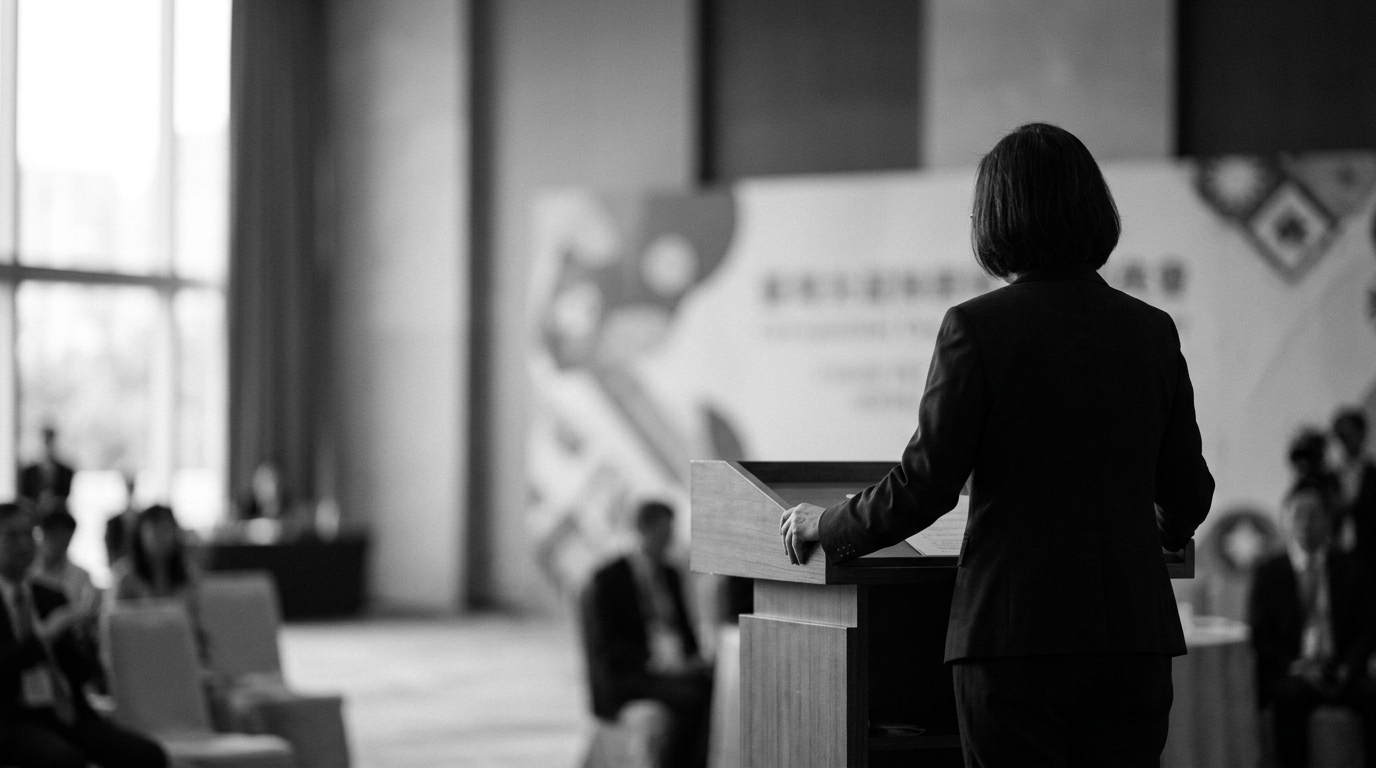
Cheng Li-wun, chair of Taiwan’s Nationalist Party (KMT), is making the case that direct dialogue with Beijing offers Taiwan its strongest protection, following a high-profile April trip to China that included a meeting with Chinese President Xi Jinping.
Speaking from the KMT’s Taipei headquarters, Cheng is now publicly tied to a strategy of engagement that the source portrays as sharply different from her earlier political posture. The account notes that in 1988, as a teenager at a farmers’ rally, Cheng criticized the KMT as “the most detestable ruling force” and urged people to “overthrow KMT tyranny and establish our own country.”
April Beijing visit and Xi Jinping meeting
According to the account, Cheng met Xi in Beijing in April, in what was described as the first visit by a KMT leader to China in a decade. The meeting came at a time of intensified cross-strait tension, with near-daily activity by Chinese combat aircraft, warships, and coast guard vessels that the source characterized as rehearsals for port blockades, precision strikes, and denying foreign intervention.
Cheng said expectations ahead of the meeting were low, and that some observers were surprised by what she described as goodwill. The source describes a framed copy of the China Daily newspaper in her office highlighting the visit under the headline “Xi calls for closer bonds across Strait.”
Taiwan’s security debate: distance versus engagement The source frames Cheng’s stance as part of a wider divide in Taiwan over whether security is best achieved by increasing distance from the power that has threatened to take the island by force, or by reducing tensions through engagement. In that context, the ruling Democratic Progressive Party (DPP) is described as skeptical of Beijing and focused on trade and other unofficial ties with Asian neighbors.
Data cited in the account points to a sharp shift in Taiwan’s investment exposure: in 2010, China accounted for 83.8% of Taiwan’s total outward investment, while in the first five months of 2026 the figure was 0.9%.
Economic pressure, diplomacy, and political fallout The source links the move away from China to what it describes as tighter economic and diplomatic pressure from Beijing during the past decade of DPP rule. It says Beijing restricted imports of Taiwanese goods and limited tourist arrivals described as free-spending.
The same account says Beijing “poached 10 of Taiwan’s diplomatic allies,” leaving Taiwan with 12 remaining, and argues that these developments have contributed to rising anxiety shaping domestic politics.
KMT approach and criticism from the DPP
Within the KMT, the source describes a belief that Washington cannot be relied on indefinitely and that Taipei should engage Beijing despite weakness. It characterizes the party’s implicit position as not choosing unification now, while also not formally choosing “another future.”
Cheng is described as embracing Chinese identity, backing the “1992 Consensus” framing that both sides belong to “One China,” and seeking direct contact with Beijing. The account says her meeting with Xi allowed Beijing to showcase possible incentives, including economic benefits, renewed exchanges, and a promise of stability.
DPP lawmaker Puma Shen, the party’s candidate for the upcoming Taipei mayoral election, criticized the meeting, saying, “It’s not a good move for Taiwan,” and adding that “China is the country that wants to invade Taiwan … and they’re also pushing more and more gray-zone tactics.”
High stakes and unresolved questions
The account says reducing tensions is essential, but that Taiwan remains divided over how to achieve it. It cites estimates by Economics that a Taiwan contingency could cost about $10 trillion by disrupting global supply chains in unprecedented ways.
The source also notes that the DPP has formal independence written into its party charter, while saying recent leaders have avoided pursuing it, citing Beijing’s vow of a military response to secession. It adds that China’s leadership “loathes” President Lai Ching-te as a “provocateur and saboteur of peace.”
Cheng said she wants to move away from Cold War frameworks, stating: “I do not want the first island chain to be thought of as the front line of military conflict. Rather, I would like it to be the front line of peace.” The source leaves open whether her approach can deliver stability without conditions, and whether she can expand support beyond her current political limits.