US-China Summit Focuses on Trade and Security Concessions
The upcoming US-China summit will prioritize trade deals for the US and security concessions, particularly on Taiwan and the Iran war, for China.
Lauren Collins ·
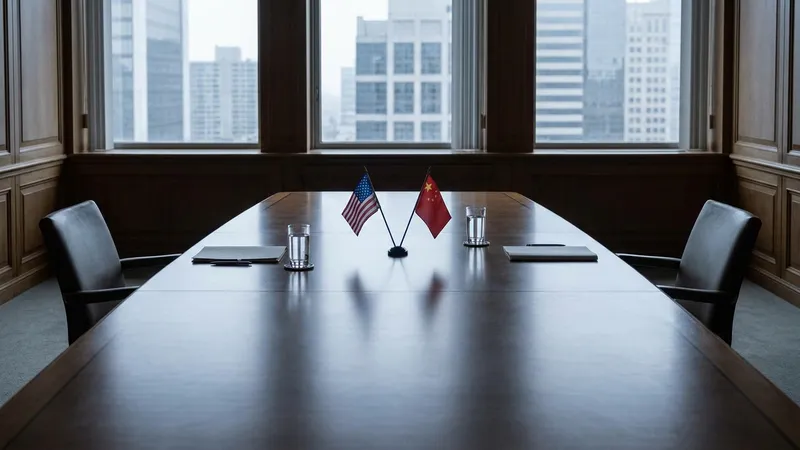
A summit between the U.S. and Chinese presidents is scheduled in Beijing. This marks the first visit by a sitting U.S. president to China since 2017.
The U.S. delegation, led by the Treasury Department, seeks a significant trade or investment agreement. This objective is supported by the inclusion of U.S. business leaders.
China's priorities include security concessions
China's priorities include security concessions, specifically an end to the Iran war and a change in the U.S. stance on Taiwan. This includes a potential cessation of U.S. arms sales to Taiwan and intervention in the event of a Chinese invasion.
Human rights issues are not a primary focus for the U.S. agenda. Cybersecurity, despite recent incidents, is also not a stated priority for the U.S. side.