US Intervention in Hungary Vote Signals Growing Conservative Alliance Between Trump and Orbán
US endorsement for Viktor Orbán was delivered by JD Vance at a Tuesday rally, less than a week before Hungary’s Sunday election.
Lauren Collins ·
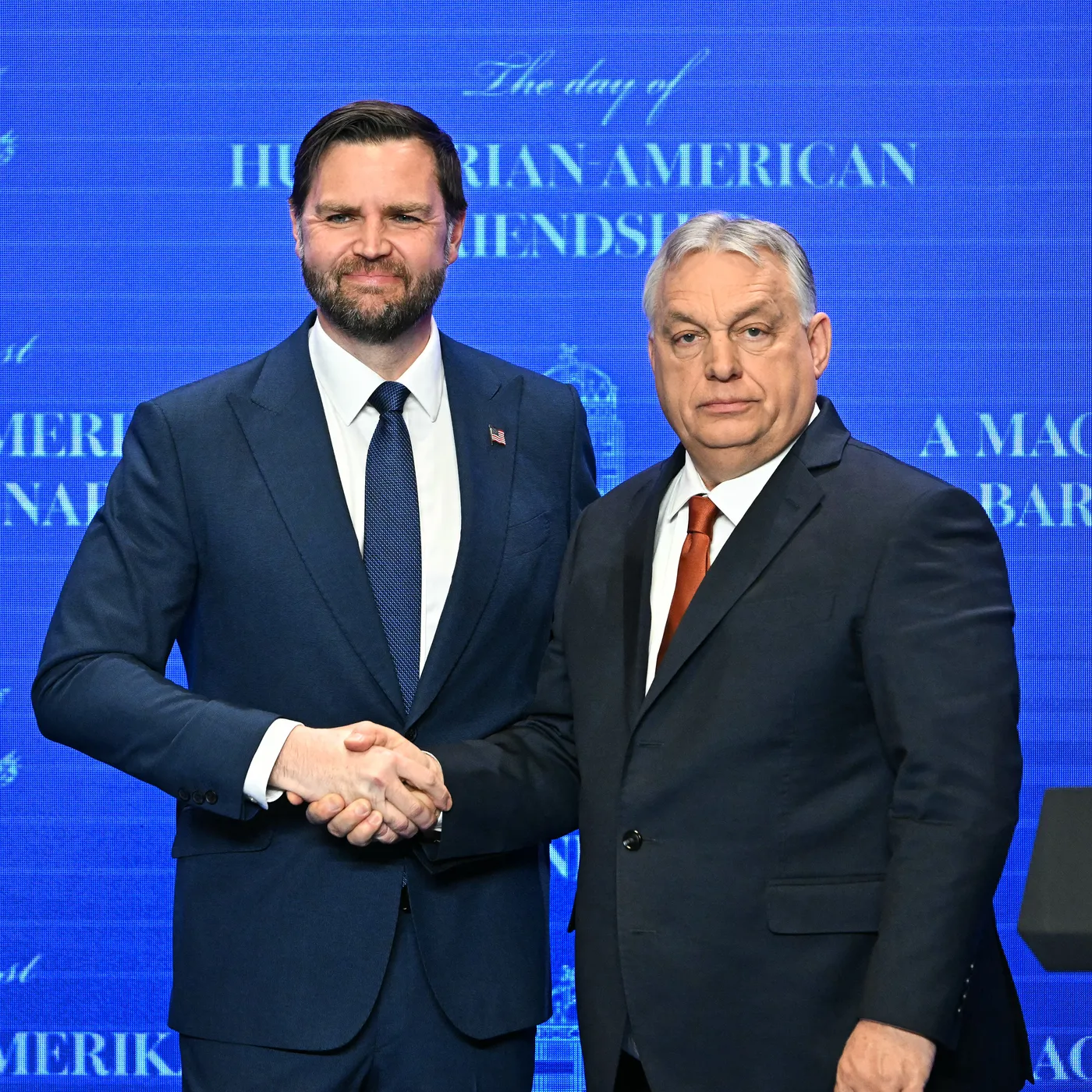
U.S. Vice President JD Vance stepped into Hungary’s election campaign with a public show of support for Prime Minister Viktor Orbán , delivering what was presented as a direct endorsement from President Trump just days before voters go to the polls. The appearance took place on Tuesday at a rally held in a packed sports arena, where Vance spoke to thousands of Orbán supporters.
During the event, Vance used his phone to broadcast a live call from President Trump over the arena’s sound system. In the call, Trump voiced explicit backing for Orbán, saying, “I’m a big fan of Viktor, I’m with him all the way.” The message ended with a broader statement of support—“The United States is with him all the way”—which drew cheers from the crowd, according to the account of the rally.
The intervention came less than a week before Hungary’s election on Sunday , a timing that places the endorsement at the center of the campaign’s final stretch. Orbán is described as facing a difficult re-election effort, and the account notes that polling over several months has shown him trailing his main challenger. Against that backdrop, the U.S. appearance and the coordinated call were portrayed as a late-stage effort to strengthen the incumbent’s position as voting nears.
This kind of direct participation by a sitting U.S. vice president in another country’s democratic contest was described as unusual and diplomatically notable. The episode also signals the weight the current U.S. administration places on Orbán’s role in Europe, as reflected in the decision to make the endorsement highly visible and tied to a mass political rally rather than a quieter diplomatic setting.
The rally and the call also highlighted what was described as a growing ideological alignment between the American conservative movement and Orbán’s government. Orbán was characterized as a prominent European figure associated with nationalist and conservative policies, and the U.S. administration’s public backing was framed as consistent with a broader approach of building relationships with leaders who share its political outlook.
What remains uncertain is how much the endorsement will matter to Hungarian voters as they make their decision on Sunday. The election result will determine Hungary’s next leader, and the campaign moment was presented as a test of how visible transatlantic conservative ties may intersect with a sovereign country’s electoral process.