Trump Suggests Sanctions Relief for Oil Producers
Donald Trump suggested lifting sanctions on some oil producers amid Iran tensions, potentially impacting global energy markets and foreign policy.
Cuneyd Erdogan ·
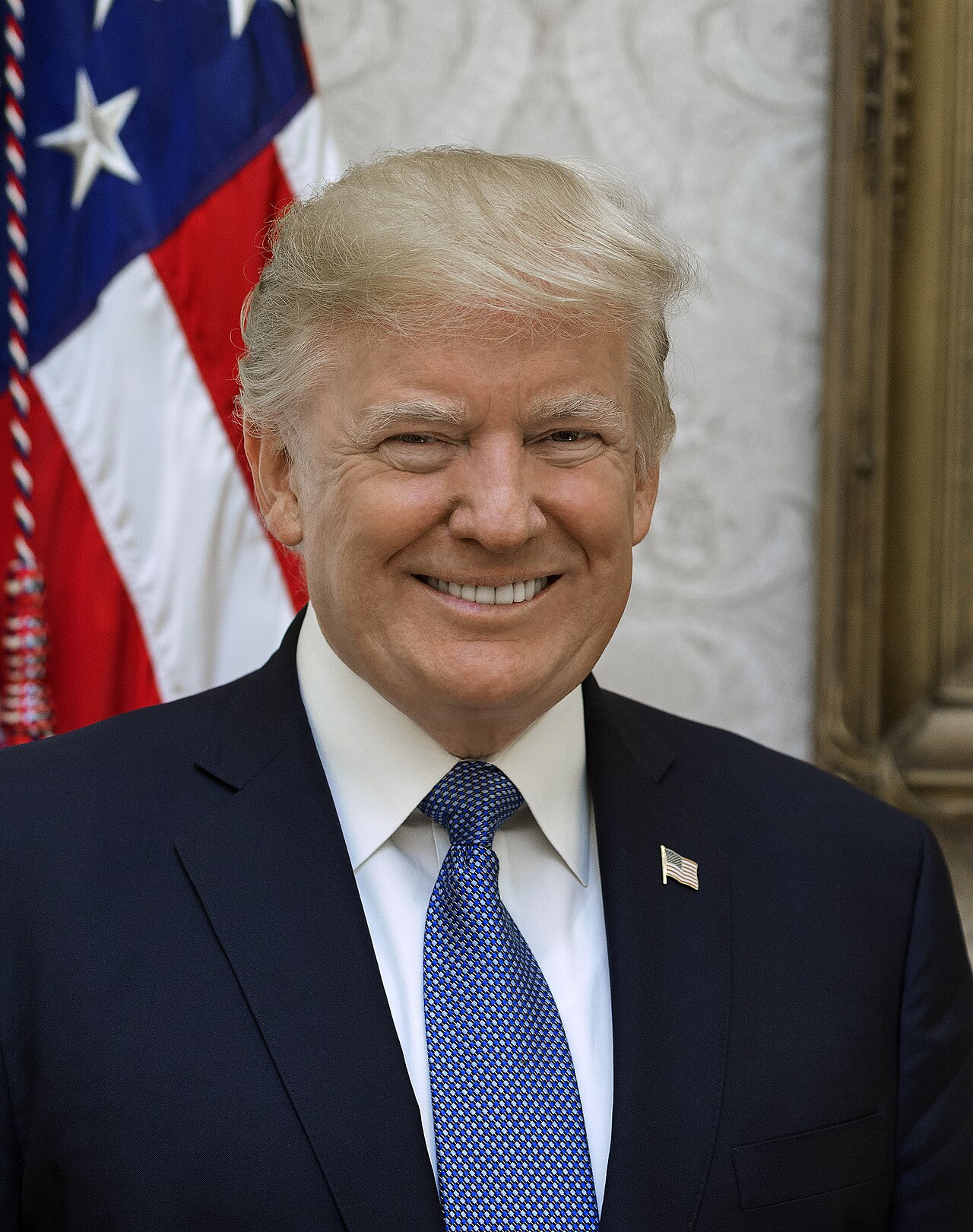
Former President Donald Trump recently indicated a potential willingness to lift certain sanctions on oil-producing nations. This statement, made in the context of ongoing geopolitical tensions involving Iran, suggests a strategic shift aimed at stabilizing global energy markets and potentially influencing international relations. The remarks underscore the complex interplay between foreign policy, energy security, and economic sanctions.
Context of Sanctions and Oil Markets
Sanctions have historically been a key tool in U.S. foreign policy, particularly against countries like Iran, Venezuela, and Russia. These measures often target critical sectors, including oil and gas, to exert economic pressure and influence political behavior. The effectiveness of such sanctions is frequently debated, with proponents arguing they limit adversarial capabilities and critics pointing to their impact on global supply and prices.
Global oil markets are highly sensitive to geopolitical events, especially those in the Middle East. Disruptions or threats to supply routes, such as the Strait of Hormuz, can lead to significant price volatility. Major oil producers, including Saudi Arabia and the United States, play crucial roles in balancing supply and demand, often through OPEC+ agreements or strategic petroleum reserve releases.
Geopolitical Landscape and Energy Security
Trump's comments emerge amidst heightened tensions in the Middle East, particularly concerning Iran's nuclear program and its regional activities. The U.S. has maintained a robust sanctions regime against Iran, significantly impacting its oil exports. Any consideration of easing these restrictions would represent a notable policy change, potentially aimed at de-escalation or securing energy supplies.
Energy security remains a paramount concern for major economies. The stability of oil prices directly affects inflation, industrial output, and consumer spending. Therefore, decisions regarding sanctions on major oil producers are often weighed against their potential economic consequences both domestically and internationally.
Potential Implications for Global Markets
Should sanctions be eased on certain oil producers, the immediate impact could include an increase in global oil supply. This influx could potentially lead to a moderation of crude oil prices, which would have broader implications for inflation rates worldwide. Lower energy costs could provide a boost to economic growth in energy-importing nations.
However, such a move would also carry significant geopolitical ramifications. It could be interpreted as a concession to sanctioned regimes or a shift in alliances. The long-term effects on U.S. foreign policy objectives and the stability of international relations would need careful consideration, particularly concerning the balance of power in critical regions.
Outlook on Policy Shifts
The prospect of altering sanctions policy highlights the dynamic nature of international diplomacy and economic leverage. Future decisions will likely depend on evolving geopolitical circumstances, domestic political considerations, and the perceived effectiveness of current strategies. Any concrete steps towards lifting sanctions would involve complex negotiations and a re-evaluation of strategic priorities.
This potential policy adjustment underscores the ongoing debate about the utility and consequences of economic sanctions as a foreign policy instrument. The global energy landscape and international political order would undoubtedly react to any significant changes in the current sanctions framework.
Implications
Country Impact: Easing sanctions could impact the economies of sanctioned nations by increasing their oil revenues, potentially altering their domestic political stability and regional influence. For energy-importing countries, lower oil prices could alleviate inflationary pressures and support economic growth.
Industry Impact: The global oil and gas industry would likely see increased supply, potentially leading to downward pressure on crude prices. This could affect profitability for some producers while benefiting refiners and consumers. Shipping and logistics sectors involved in oil transport would also experience shifts in demand.
Market Impact: Global financial markets, particularly energy futures, would react to any concrete announcements regarding sanctions relief, likely leading to increased volatility. Equities of energy companies could see varied responses, while broader market indices might benefit from reduced inflation expectations.