NFL Free Agency: Key Signings and Market Dynamics
NFL free agency, commencing in mid-March, involves significant player signings, trades, and roster cuts, reshaping team rosters and competitive dynamics.
Cuneyd Erdogan ·
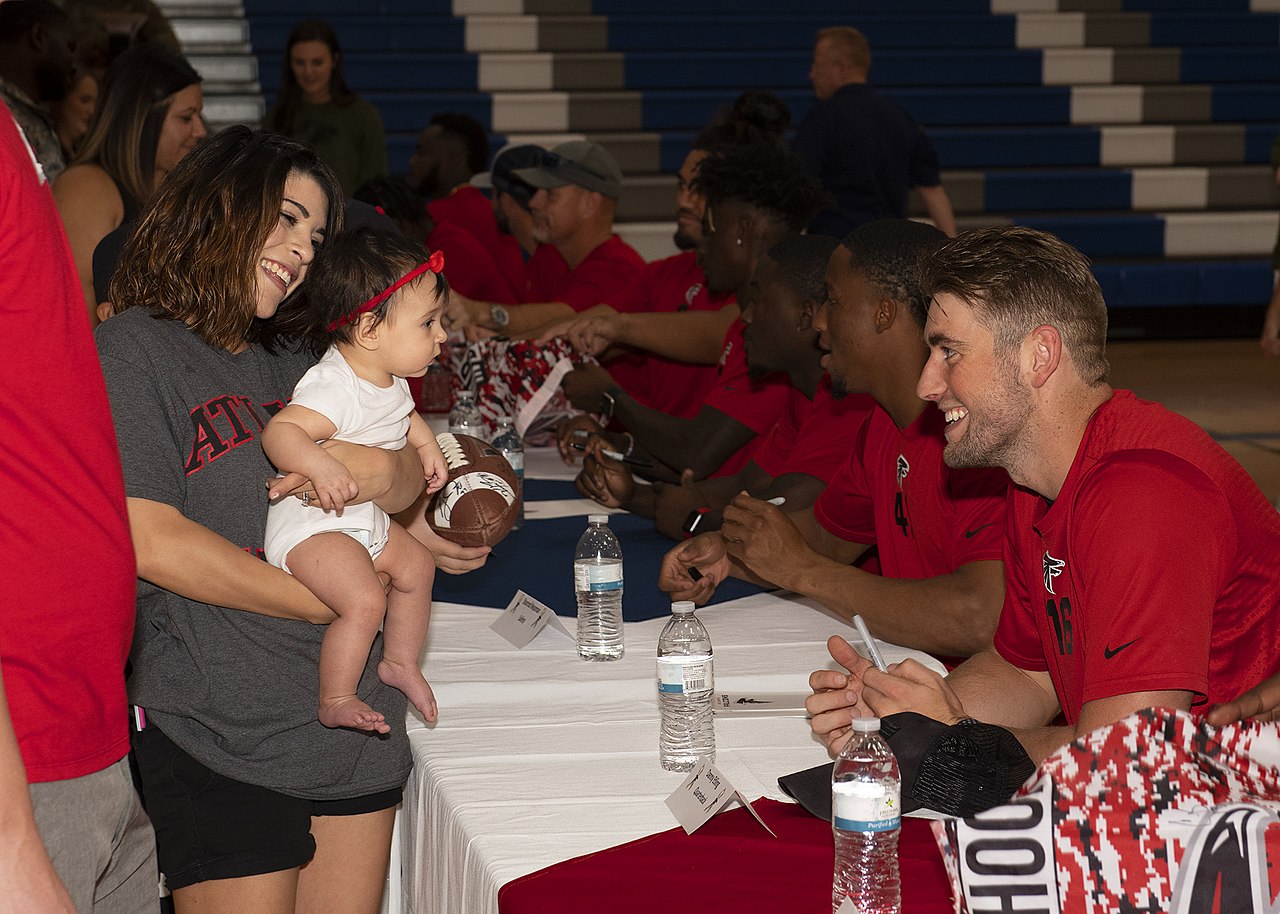
The National Football League's free agency period, which officially commenced in mid-March, has seen a flurry of player movements, including significant signings, trades, and roster cuts. This annual event allows players whose contracts have expired to negotiate with any team, fundamentally reshaping team rosters and competitive landscapes ahead of the upcoming season. Teams strategically navigate salary cap limitations and player valuations to acquire talent.
Market Opening and Player Movement
The negotiating window for unrestricted free agents typically opens several days before the official start of the new league year. During this period, agents and teams can discuss contract terms, though no deals can be finalized until the new league year officially begins. This pre-period often sets the stage for rapid activity once the market formally opens.
Strategic Team Decisions
Teams engage in various strategies during free agency. Some prioritize retaining their own key players through contract extensions, while others aggressively pursue top-tier talent from other organizations. Additionally, teams often release players with high salaries or those who no longer fit their strategic plans, creating salary cap space for new acquisitions. These cuts can also make veteran players available to other teams.
Impact on Team Rosters and Competitiveness
The outcomes of free agency directly influence a team's potential performance in the upcoming season. Successful acquisitions can address critical roster deficiencies, while the loss of key players can create new challenges. The period is crucial for teams aiming to contend for championships or rebuild their squads. Player movement also impacts team chemistry and coaching schemes.
Economic Factors and Player Valuation
Player contracts during free agency are influenced by several economic factors, including the league's salary cap, player performance, age, and position scarcity. Quarterbacks, edge rushers, and offensive linemen often command the highest salaries due to their critical roles. The overall health of the NFL's revenue streams, driven by media rights and sponsorships, directly impacts the salary cap, which in turn dictates team spending power.
Ongoing Developments and Future Outlook
While the initial wave of free agency sees the most high-profile signings, player movement continues throughout the offseason. Teams often make additional signings of veteran players or those who were not initially in high demand, often at more team-friendly contract terms. The free agency period is a dynamic process that significantly shapes the competitive balance and narratives of the NFL season.
Implications
Country Impact: The NFL's free agency period is a major sports event in the United States, generating significant media coverage and fan engagement. It influences local economies in team cities through merchandise sales and increased interest in the sport.
Industry Impact: Within the sports industry, free agency drives player agent activity, sports media content, and betting markets. It also impacts the valuation of franchises and the overall financial health of the league.
Market Impact: While not directly impacting global financial markets, NFL free agency creates a significant internal market for player talent. It influences sports broadcasting rights values and related advertising revenues.