CENTCOM Details Iran Strike Damage, Strategic Impact
CENTCOM releases imagery of U.S. strikes on Iranian military sites, including drone and torpedo facilities, to degrade defense capabilities.
Lauren Collins ·
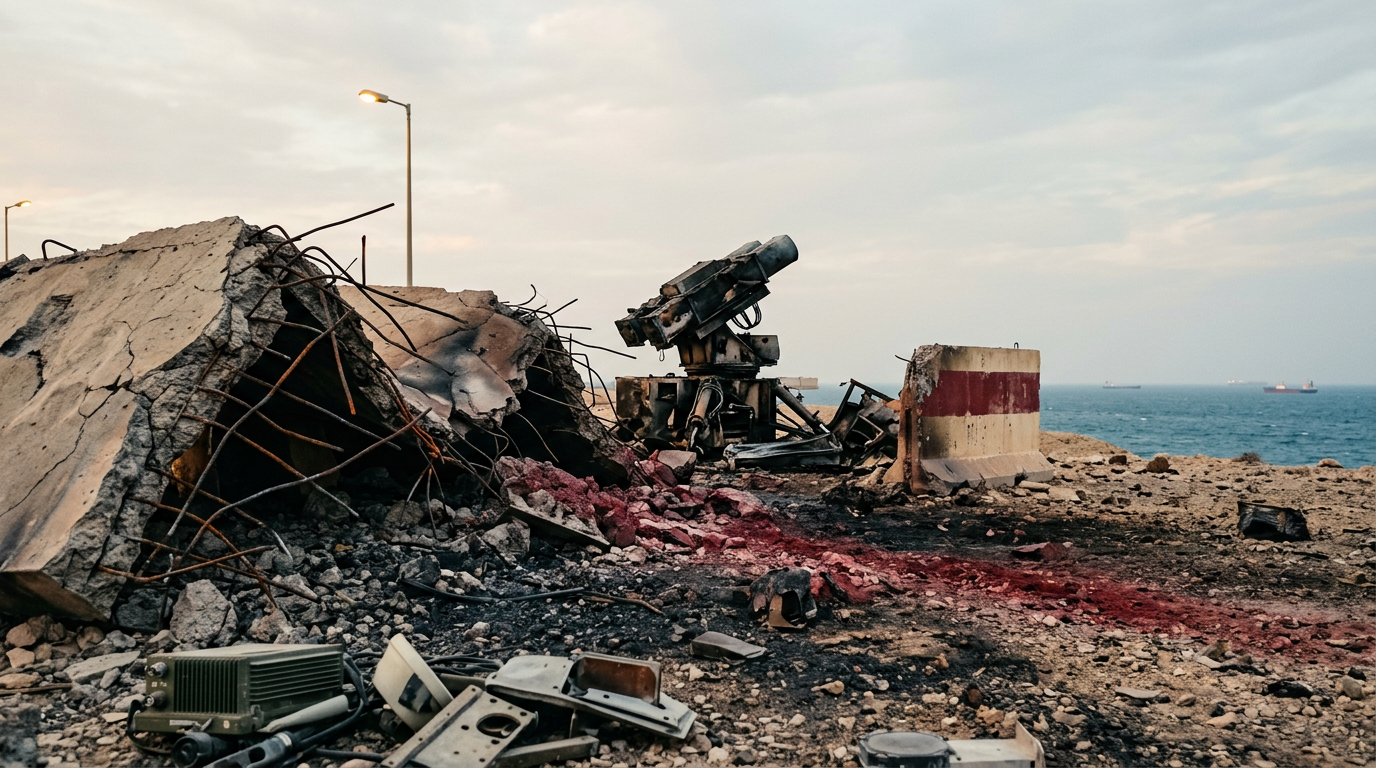
U.S. Central Command (CENTCOM) recently released visual evidence detailing the impact of American military operations targeting Iran's defense infrastructure. The imagery, presented on Monday, showcased before-and-after views of key Iranian military facilities, underscoring the ongoing efforts to degrade the nation's industrial defense capabilities.
Admiral Brad Cooper, CENTCOM's commander, provided an update on Operation Epic Fury, asserting that the strikes are meeting their strategic objectives. The visuals included a naval drone storage facility situated near the Strait of Hormuz, an attack drone manufacturing plant in Tehran, and the Yazd Military Depot. These locations reportedly sustained significant damage following U.S. military actions.
Targeted Infrastructure and Damage Assessment
Specifically, the Yazd Military Depot, identified as a component of the Islamic Revolutionary Guard Corps' (IRGC) missile command network, saw eight buildings destroyed. This facility was reportedly involved in the production of torpedoes, a critical element of Iran's naval capabilities. The destruction of these sites aims to diminish Iran's capacity to project military power and disrupt maritime trade routes.
Admiral Cooper further stated that U.S. and allied forces have neutralized over 100 Iranian naval vessels. This ongoing campaign focuses on reducing Iran's ability to threaten international shipping and commerce, particularly within the strategically vital Strait of Hormuz.
Strategic Importance of the Strait of Hormuz
The Strait of Hormuz is a crucial chokepoint for global oil shipments, with a significant portion of the world's seaborne crude oil passing through it daily. Disruptions in this waterway can have profound implications for international energy markets and global economic stability. The U.S. military's operations in the region are directly linked to safeguarding this critical maritime passage.
Mike Sommers, CEO of the American Petroleum Institute, highlighted the economic sensitivity of the Strait. He noted that even a release of 400 million barrels from global strategic oil reserves would be insufficient to offset the consequences of a prolonged closure of the Strait of Hormuz, emphasizing its irreplaceable role in global energy supply chains. This perspective underscores the broader economic and geopolitical stakes involved in maintaining stability in the region.
Regional Geopolitical Context
The U.S. military's actions occur within a broader context of heightened tensions in the Middle East. The region has seen increased naval activity and concerns over maritime security, particularly in the Persian Gulf and surrounding waters. These operations are part of a long-standing U.S. policy to deter aggression and ensure freedom of navigation in international waters, reflecting ongoing geopolitical dynamics and strategic competition in the area.
Outlook on Future Operations
CENTCOM's continued monitoring and targeting of Iranian military assets suggest an sustained effort to degrade capabilities deemed threatening to regional stability and international commerce. S. commitment to its stated objectives in the region. Future developments will likely focus on Iran's response and the broader implications for regional security alliances and global energy markets.
Implications
Country Impact: The strikes aim to diminish Iran's military capabilities, potentially impacting its regional influence and strategic posture. This could lead to further escalation or a recalibration of Iran's defense strategies.
Industry Impact: The targeting of drone and torpedo production facilities directly affects Iran's defense industrial base. This could disrupt its ability to supply military hardware and project power, particularly in maritime domains.
Market Impact: The emphasis on securing the Strait of Hormuz highlights its critical role in global energy markets. Continued tensions and military actions in the region could introduce volatility into oil prices and shipping insurance costs.