UAE Oil Output Halves Amid Hormuz Closure
UAE's oil output has halved due to the Strait of Hormuz closure and conflict with Iran, disrupting global energy markets.
Lauren Collins ·
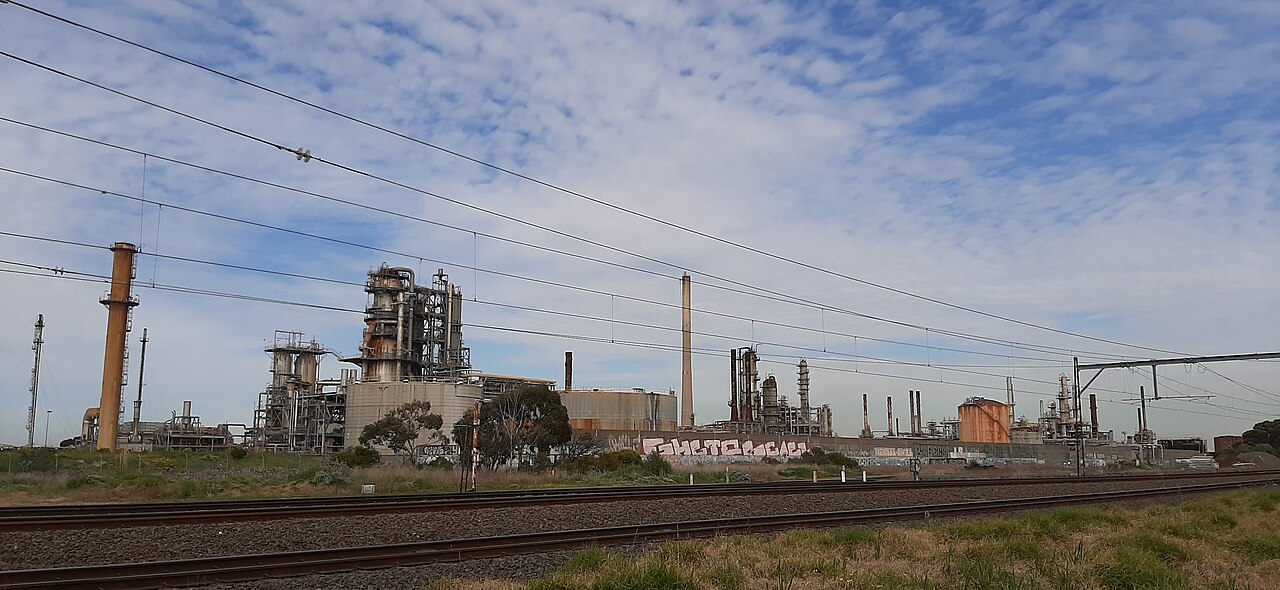
The United Arab Emirates (UAE) has experienced a more than 50% reduction in its daily crude oil production as of March 16, 2026. This significant decline is directly attributed to the effective closure of the Strait of Hormuz and escalating conflict with Iran, severely impacting global energy markets.
ADNOC, the UAE's national oil company, has initiated extensive production shutdowns across both its onshore and offshore facilities. This measure follows a drone attack that disrupted oil loading operations at the Fujairah port on Monday, subsequent to an earlier incident over the weekend.
Strait of Hormuz Disruption
Prior to these events, the UAE was a major contributor to global oil supply, producing nearly 3.4 million barrels per day (bpd) in January. This volume represented over 3% of global demand and positioned the UAE as the third-largest producer within OPEC.
Impact on Exports and Regional Production
The broader Middle East region is also experiencing substantial production cuts. Saudi Arabia has reportedly reduced its output by about 20%, while Iraq's production has fallen by approximately 70%. These regional reductions collectively amount to an estimated 7 million to 10 million bpd, representing 7% to 10% of global oil demand.
Economic and Geopolitical Context
This latest escalation underscores the fragility of global energy supply lines and the profound economic consequences of regional conflicts. The sustained closure of such a critical chokepoint could prompt a re-evaluation of energy diversification strategies and accelerate investments in alternative transport routes or energy sources.
Market Implications
Outlook and Future Concerns The duration of the Strait's closure and the intensity of the conflict will determine the long-term impact on global energy markets. Continued disruptions could lead to sustained high energy prices, potentially triggering a global economic slowdown. The international community will closely monitor diplomatic efforts to de-escalate tensions and secure the vital shipping lane.
Implications
Country Impact: The UAE faces significant economic repercussions due to halved oil production, impacting national revenue and potentially leading to fiscal adjustments. Other Middle Eastern producers like Saudi Arabia and Iraq are also experiencing substantial output reductions, straining regional economies.
Industry Impact: The global energy industry is experiencing severe supply shocks, leading to increased crude oil prices and higher operational costs for sectors reliant on oil, such as transportation, manufacturing, and petrochemicals. This could accelerate shifts towards alternative energy sources.
Market Impact: Global financial markets are likely to react with increased volatility, particularly in energy futures. Higher oil prices will fuel inflation concerns, potentially influencing central bank monetary policy decisions and impacting equity markets and bond yields worldwide.