Trump Urges NATO Action in Strait of Hormuz
Trump urges NATO to secure the Strait of Hormuz after Iran's de facto blockade, impacting global oil flows and prices amid rising tensions.
Lauren Collins ·
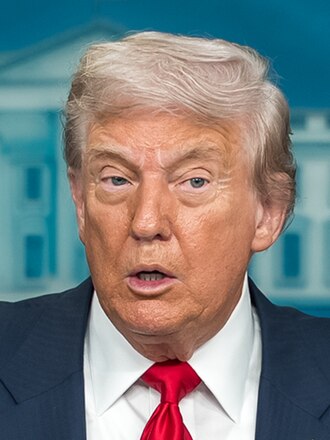
S. President Donald Trump has called for NATO intervention to secure the Strait of Hormuz, a critical maritime chokepoint, following a de facto blockade by Iran. S. and Israeli military actions against Iran two weeks prior. S. support to Ukraine.
Iran has significantly restricted commercial shipping through the Strait of Hormuz, which is vital for approximately one-fifth of the world's oil and liquefied natural gas shipments. This disruption has led to a sharp increase in global crude oil prices. While some vessels have been permitted passage, the broader restriction has prompted concerns about sustained price hikes, with some analysts projecting oil could reach $150 per barrel if the conflict persists.
Regional Tensions Escalate
Iranian Foreign Minister Abbas Araghchi indicated that Tehran is managing transit through the strait and engaging in discussions with various governments to facilitate safe passage. In response to the blockade, President Trump authorized military strikes against Iranian military installations on Kharg Island, a key oil export facility. Concurrently, the U.S. is attempting to assemble an international naval coalition to ensure the strait's reopening.
International Response and Naval Concerns
Despite calls for naval support from the U.S. to nations including China, France, Japan, South Korea, and Britain, the international community's response has largely been hesitant. The U.S. Navy has previously described the Strait of Hormuz as a high-risk area, or "kill box," due to Iran's substantial missile capabilities in the vicinity. This assessment underscores the significant military challenges associated with any intervention.
Strategic Importance of the Strait
The Strait of Hormuz, a narrow waterway between the Persian Gulf and the Gulf of Oman, is globally recognized as a strategic maritime passage. Its closure or significant disruption has immediate and profound effects on global energy markets and international trade. Past incidents involving the strait have consistently demonstrated its sensitivity to geopolitical shifts and military posturing in the Middle East.
Broader Geopolitical Context
This latest development follows a period of heightened geopolitical friction, including a recent dispute over Greenland and ongoing trade tensions. The request for NATO assistance highlights the U.S. strategy of leveraging alliances to address global security challenges, particularly in regions critical to international commerce and energy supply. The situation underscores the intricate links between regional conflicts, global energy security, and alliance dynamics.
Economic Implications
The sustained disruption of shipping through the Strait of Hormuz could have far-reaching economic consequences beyond immediate oil price surges. Supply chain disruptions, increased shipping insurance costs, and potential impacts on global inflation rates are significant concerns for international markets and economies reliant on stable energy supplies. The long-term economic stability of several nations could be affected by prolonged instability in this critical waterway.
Outlook for Resolution
The path to resolving the Strait of Hormuz situation remains uncertain. The effectiveness of U.S. efforts to form a naval coalition and the willingness of NATO members to commit resources will be crucial factors. Diplomatic efforts, alongside military posturing, will likely continue as international actors seek to de-escalate tensions and ensure the free flow of maritime traffic through this vital chokepoint.
💊 Kapsül Analysis
📌 What Happened?
- Former U.S. President Donald Trump requested NATO assistance to secure the Strait of Hormuz on March 15, 2026.
- Iran has implemented a de facto blockade of the strait following U.S. and Israeli military actions.
- The blockade has caused a significant surge in global crude oil prices.
🔍 Why It Matters
- The Strait of Hormuz is a critical chokepoint for 20% of global oil and LNG flows.
- Disruption threatens global energy security and could lead to substantial oil price increases.
- The request highlights the U.S. strategy of seeking alliance support for regional security challenges.
📈 Market & Political Impact
- **Market:** Global crude oil prices have surged, with potential for further increases to $150/barrel in a prolonged conflict.
- **Geopolitics:** Increased tensions between the U.S./Israel and Iran, with implications for regional stability.
- **Alliances:** Tests the willingness of NATO members and other international partners to engage in Middle East security operations.
👁️ What to Watch
- The formation and composition of any international naval coalition.
- Further diplomatic statements or actions from Iran regarding transit through the strait.
- Responses from NATO members and other key international shipping nations.
📋 Source Status
Single-source
📊 Confidence
Level: Medium — Information is specific but from a single, unattributed report.
Implications
Country Impact: The U.S. seeks to leverage NATO alliances to address security challenges in the Middle East, potentially drawing member states into a complex regional conflict. Iran's actions could lead to further international isolation and economic pressure.
Industry Impact: The global energy industry faces significant volatility due to disrupted oil and LNG shipments, leading to higher prices and increased operational risks for maritime transport. Shipping and insurance sectors will experience heightened costs and uncertainty.
Market Impact: Global financial markets are likely to react to sustained energy price increases, potentially fueling inflation and impacting economic growth forecasts. Investor confidence in international trade routes and supply chain stability could diminish.