Young Voters Reconsider Trump Amid Iran Conflict
Young American voters who supported Donald Trump in 2024 are reportedly reconsidering their choice due to the subsequent conflict with Iran.
Lauren Collins ·
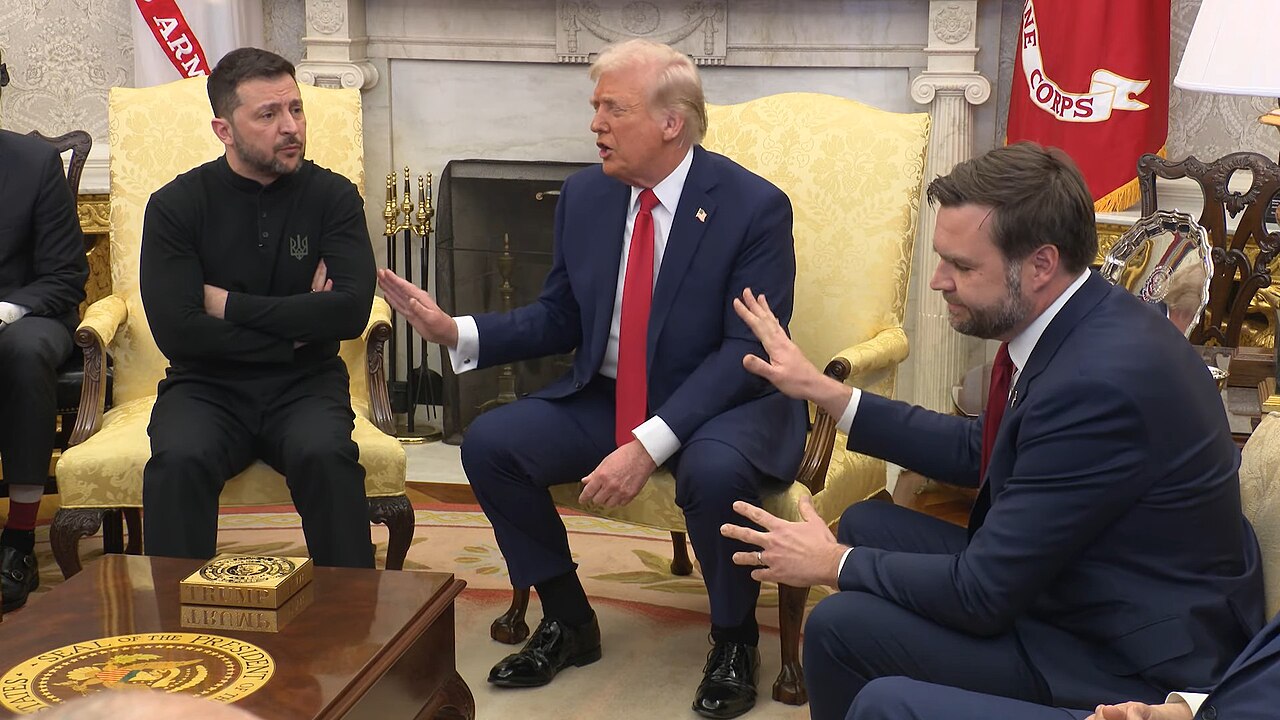
A segment of young American voters who supported Donald Trump in the 2024 presidential election are reportedly re-evaluating their choice, primarily due to the subsequent military engagement with Iran. This shift in perspective highlights how geopolitical developments can influence domestic political allegiances, particularly among demographics initially drawn to economic platforms.
Many of these voters, like 26-year-old Joshua Byers from Charlotte, North Carolina, cast their ballots for Trump based on pledges of economic growth and reduced living costs. However, the onset of hostilities with Iran following the election has prompted a reconsideration of their initial decision, according to recent observations.
Shifting Political Dynamics
The re-evaluation among some young voters underscores a broader critique of the Trump administration's foreign policy approach and perceived inconsistencies. The conflict with Iran, which commenced after the 2024 election cycle, has become a central factor in shaping these voters' current views.
This demographic's initial motivations, largely centered on domestic economic issues, appear to be overshadowed by the ramifications of international conflict. Such developments often lead to disillusionment with political outcomes when campaign promises diverge from subsequent governmental actions, especially in foreign affairs.
Economic Promises vs. Geopolitical Realities
Historically, young voters have shown varied engagement with political processes, often prioritizing issues directly affecting their daily lives, such as employment, education, and cost of living. The 2024 election saw a portion of this demographic align with Trump's economic agenda, anticipating improvements in their financial prospects.
However, the escalation of tensions into an active conflict with Iran introduces new variables that can alter voter sentiment. Foreign policy decisions, particularly those involving military action, often carry significant economic consequences, including potential impacts on global energy prices, trade routes, and national budgets, which can indirectly affect domestic economic stability.
Implications for Future Elections
The reported shift among these voters suggests that while economic concerns remain paramount, the perceived stability and direction of a nation's foreign policy can significantly influence voter satisfaction. For future electoral cycles, this indicates that candidates' stances on international relations and their capacity to manage global crises may become increasingly critical, even for voters primarily focused on domestic issues.
This dynamic could compel political campaigns to more thoroughly integrate foreign policy discussions into their platforms, demonstrating how international actions align with or diverge from domestic priorities. The ongoing re-assessment by young voters serves as a case study in the complex interplay between domestic expectations and global events.
Implications
Country Impact: The re-evaluation by young voters could signal a potential shift in future electoral dynamics, compelling political parties to address foreign policy more directly in their domestic platforms. It highlights a growing sensitivity among certain demographics to the global implications of national leadership.
Industry Impact: Increased geopolitical instability, particularly involving key energy-producing regions, can introduce volatility into global markets, affecting sectors reliant on stable supply chains and predictable energy costs. Defense industries may see increased activity, while others face uncertainty.
Market Impact: Market reactions to international conflicts often include heightened volatility in commodity prices, particularly oil, and a flight to safe-haven assets. Investor confidence can be impacted by perceived political instability and the potential for broader economic disruption.