Trump Administration Considers Hormuz Coalition
The Trump administration is reportedly forming a coalition to secure the Strait of Hormuz, potentially targeting Iran's Kharg Island.
Lauren Collins ·
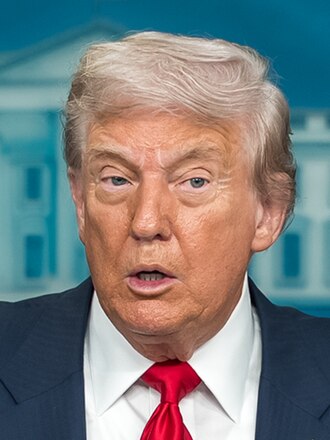
The Trump administration is reportedly assembling an international coalition focused on ensuring maritime security in the Strait of Hormuz. This initiative, which could be formally announced this week, aims to safeguard global oil shipments through the critical waterway. Discussions have included proposals for potential actions, such as taking control of Iran's Kharg Island, a significant oil export terminal.
Strategic Waterway Security
The Strait of Hormuz is a vital maritime chokepoint, through which approximately one-fifth of the world's daily oil supply transits. Its strategic importance makes it a focal point for international security concerns, particularly given recent tensions in the region. The proposed coalition seeks to address these vulnerabilities and maintain open passage for commercial vessels.
Potential Kharg Island Action
Among the options reportedly under consideration is the seizure of Kharg Island, Iran's primary oil export facility. Such a move would represent a significant escalation in regional dynamics and would likely draw strong international reactions. The island serves as the loading point for the vast majority of Iranian crude oil exports, making it a critical asset for the Iranian economy.
Regional Geopolitical Context
This development occurs against a backdrop of heightened geopolitical tensions in the Middle East. The United States has previously expressed concerns regarding Iran's activities in the region, including alleged threats to shipping. Forming a multinational coalition is seen as a way to share the burden of maintaining security and to present a united front against perceived threats to international commerce.
International Implications
The formation of such a coalition and any subsequent actions, particularly involving Iranian territory, would have profound implications for global energy markets and international relations. Oil prices could experience significant volatility, and diplomatic efforts to de-escalate regional tensions might be complicated. The involvement of multiple nations would also test the resolve and unity of international alliances.
Outlook and Diplomatic Efforts
While an announcement is anticipated, the specific composition and mandate of the coalition remain unclear. Diplomatic channels are likely to be engaged extensively as nations weigh the economic and security ramifications of any proposed actions. The situation underscores the delicate balance required to manage security interests in a region critical to global energy supply.
Implications
Country Impact: The formation of a coalition and potential military actions could significantly escalate tensions between the United States and Iran, impacting regional stability and potentially drawing in other Middle Eastern nations. This could lead to increased military presence and diplomatic friction.
Industry Impact: The energy sector, particularly global oil and gas markets, would face substantial volatility. Any disruption or perceived threat to the Strait of Hormuz could cause oil prices to surge, affecting transportation costs and industrial production worldwide.
Market Impact: Global financial markets would likely react with increased uncertainty, leading to potential sell-offs in equities and a flight to safe-haven assets. Bond yields could fluctuate, and commodity markets, especially crude oil, would experience significant price movements.