Trump Considers NATO Troop Redeployment Amid Iran Tensions
Trump weighs NATO troop shifts from allies seen as unsupportive in the Iran war, as a report details options discussed on April 8, 2026.
Lauren Collins ·
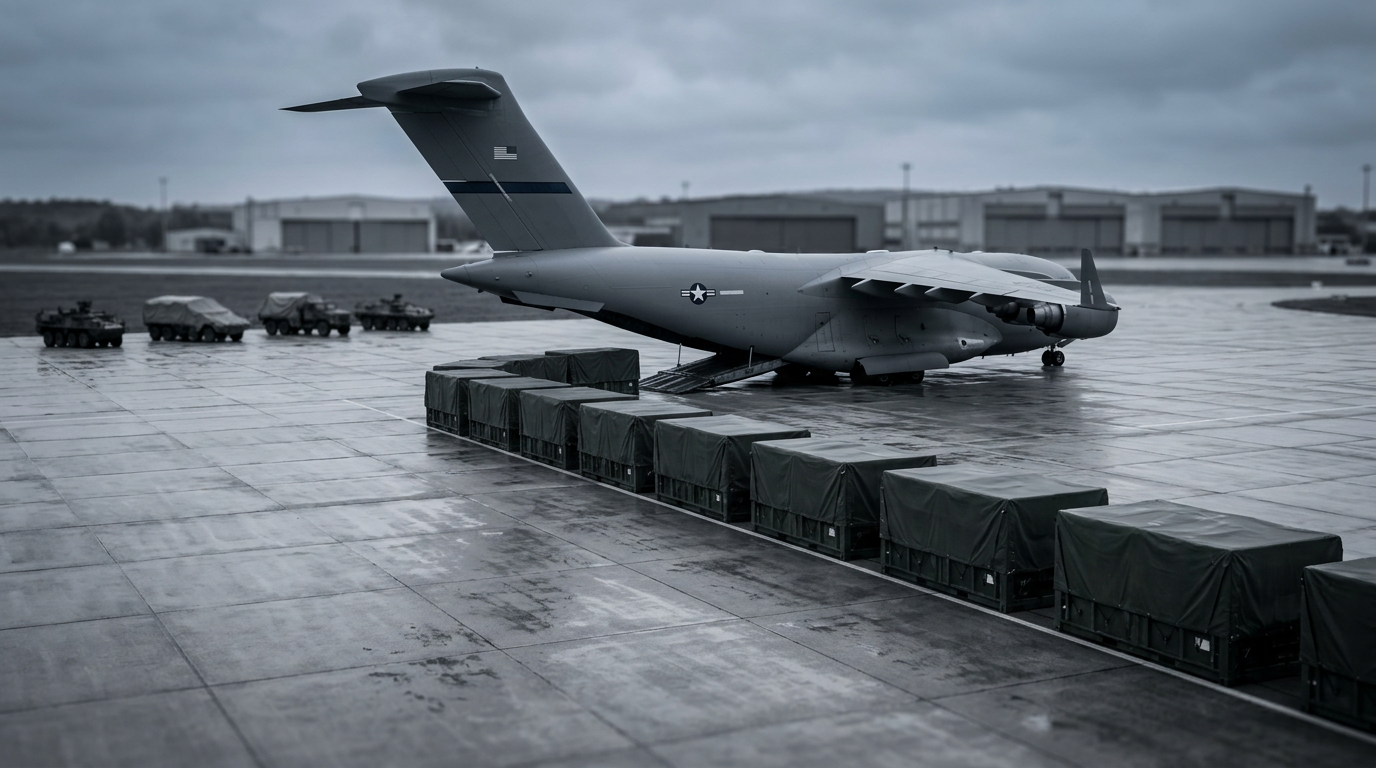
Former U.S. President Donald Trump is considering moving American troops stationed in North Atlantic Treaty Organization (NATO) countries that have not backed the war against Iran, according to a report published on April 8, 2026. The reported idea would shift forces away from member states viewed as unsupportive and toward countries seen as more aligned with U.S. and Israeli actions in the conflict.
Officials have described the possible redeployment as one of several punitive options being discussed inside the White House. The report said the deliberations are tied to Trump’s recent criticism of certain NATO allies over what he has portrayed as insufficient support related to the confrontation with Iran.
The issue surfaced publicly the same day NATO Secretary General Mark Rutte held a closed-door meeting with Trump on April 8. Afterward, Rutte declined to address the report’s details and said only that the conversation had been “frank” and “open.” No further specifics were provided about what was discussed or whether any decisions were reached.
The reported troop-relocation discussions come after earlier remarks from Press Secretary Karoline Leavitt indicating Trump was considering a full U.S. withdrawal from NATO. That possibility faces a legal constraint: a 2023 law requires that any U.S. exit from NATO must receive approval by a two-thirds vote in the Senate or be authorized through a formal act of Congress.
Public positions among NATO members on the U.S. and Israeli strikes against Iran have varied, according to the source material. At present, six NATO countries—Canada, the Czech Republic, Albania, North Macedonia, Lithuania, and Latvia—have publicly expressed support for the U.S. and Israeli strikes against Iran. The source material does not list other member states as having made similar public statements of support.
Any shift in U.S. troop deployments within NATO would carry operational and diplomatic significance because American forces are a central element of the alliance’s posture. The report frames the potential moves as a response to allied political alignment in the Iran conflict, rather than as part of a routine force-planning cycle.
Key uncertainties remain. It is not clear which NATO countries would be targeted for reductions, how many troops could be moved, or what timeline would apply. It is also unclear which additional measures, beyond troop movements, are being considered as part of the broader set of options described as punitive.