Gulf Nations Assess Iran Conflict's Threat to Oil Routes
Gulf States face rising Iran conflict risks, with potential Red Sea shipping disruption threatening 12% of seaborne oil and 8% of LNG trade.
Lauren Collins ·
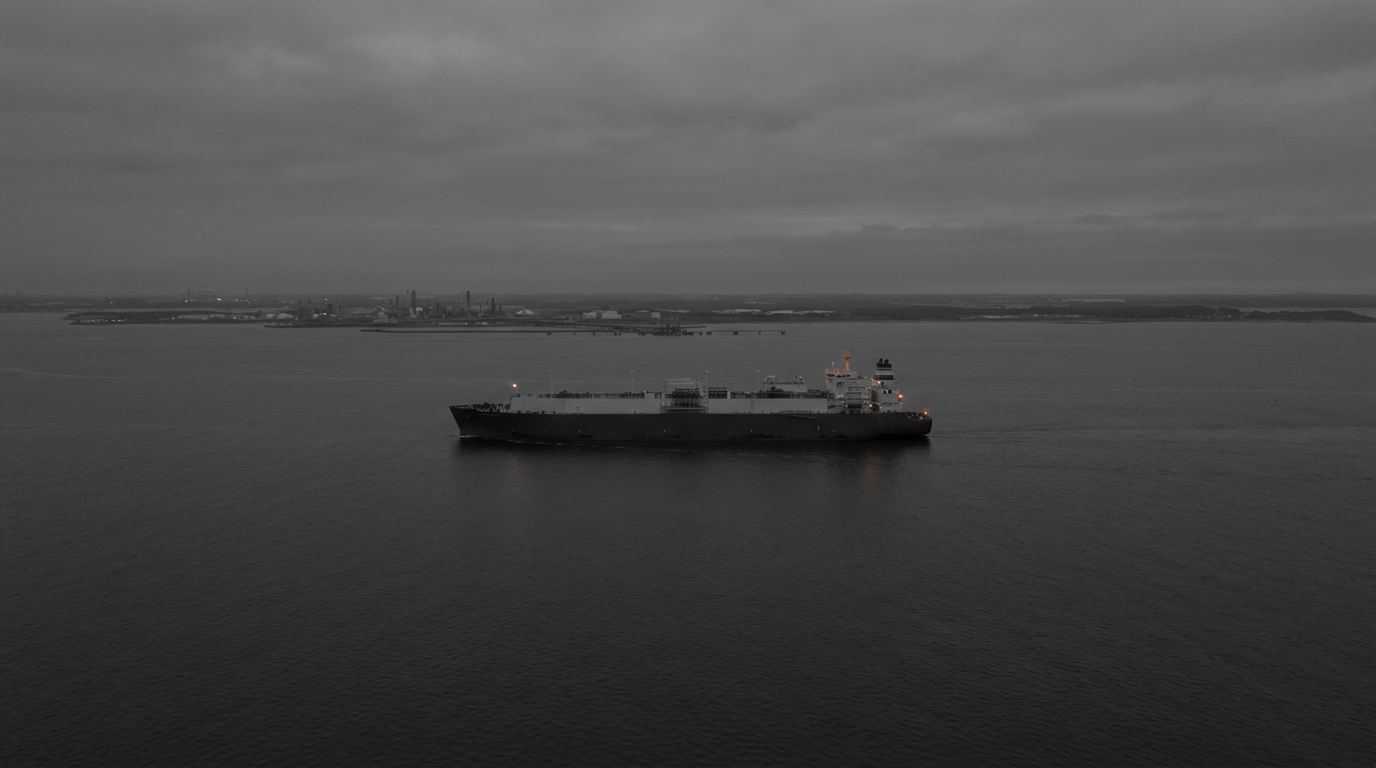
Gulf Cooperation Council (GCC) countries are confronting heightened uncertainty as tensions involving Iran, the United States, and Israel raise the risk of wider disruption across the region.
The central concern for markets is the possibility of expanded strikes by Iran, including attacks that could hit vital infrastructure and quickly spill into energy, shipping, and insurance costs.
Diplomacy under strain
Before the current escalation, several Gulf states maintained channels intended to reduce the chance of direct confrontation.
Oman and Qatar had served as intermediaries between Washington and Tehran, while Saudi Arabia and the United Arab Emirates kept varying levels of engagement with Iran.
Those relationships were designed to manage concerns about Iran through non-military approaches, but the present trajectory is testing whether those mechanisms can still contain shocks.
Shipping chokepoints back in focus
A key risk flagged in the region is Yemen, where Houthi forces could restart attacks on commercial vessels in the Red Sea and the Bab al-Mandeb Strait.
Disruption in that corridor matters well beyond the Middle East: roughly 12% of global seaborne oil movements and about 8% of worldwide liquefied natural gas trade pass through these routes, making them sensitive pressure points for global supply chains.
If shipping is threatened, the immediate transmission channels to the global economy would likely be higher freight rates, longer rerouting times, and rising risk premia in energy-linked markets.
Why it matters now for GCC economies
For GCC members, the issue is not only physical security but also the durability of economic planning tied to stable exports, predictable logistics, and investor confidence.
The source material frames a potential “new normal” in which Gulf states face persistent pressure on their economic interests and security environment, rather than a short-lived flare-up that can be managed through established contacts.
Limits, unknowns, and strategic stakes
What remains unclear is whether the current escalation will translate into sustained attacks on infrastructure or shipping, and whether existing diplomatic channels can still slow the pace of escalation.
Yemen’s instability is described as a long-running challenge, and renewed maritime attacks would also intersect with US strategic interests in the region, adding another layer of political and security complexity.
For global markets, the near-term sensitivity is concentrated in energy pricing, shipping availability, and the cost of insuring cargoes moving through key chokepoints—areas where even limited incidents can have outsized effects.