Iran war: What is happening on day 22 of US-Israel attacks?
Middle East conflict escalates into its fourth week with Iranian retaliatory strikes against Israel and U.S. bases, raising regional tensions.
Lauren Collins ·
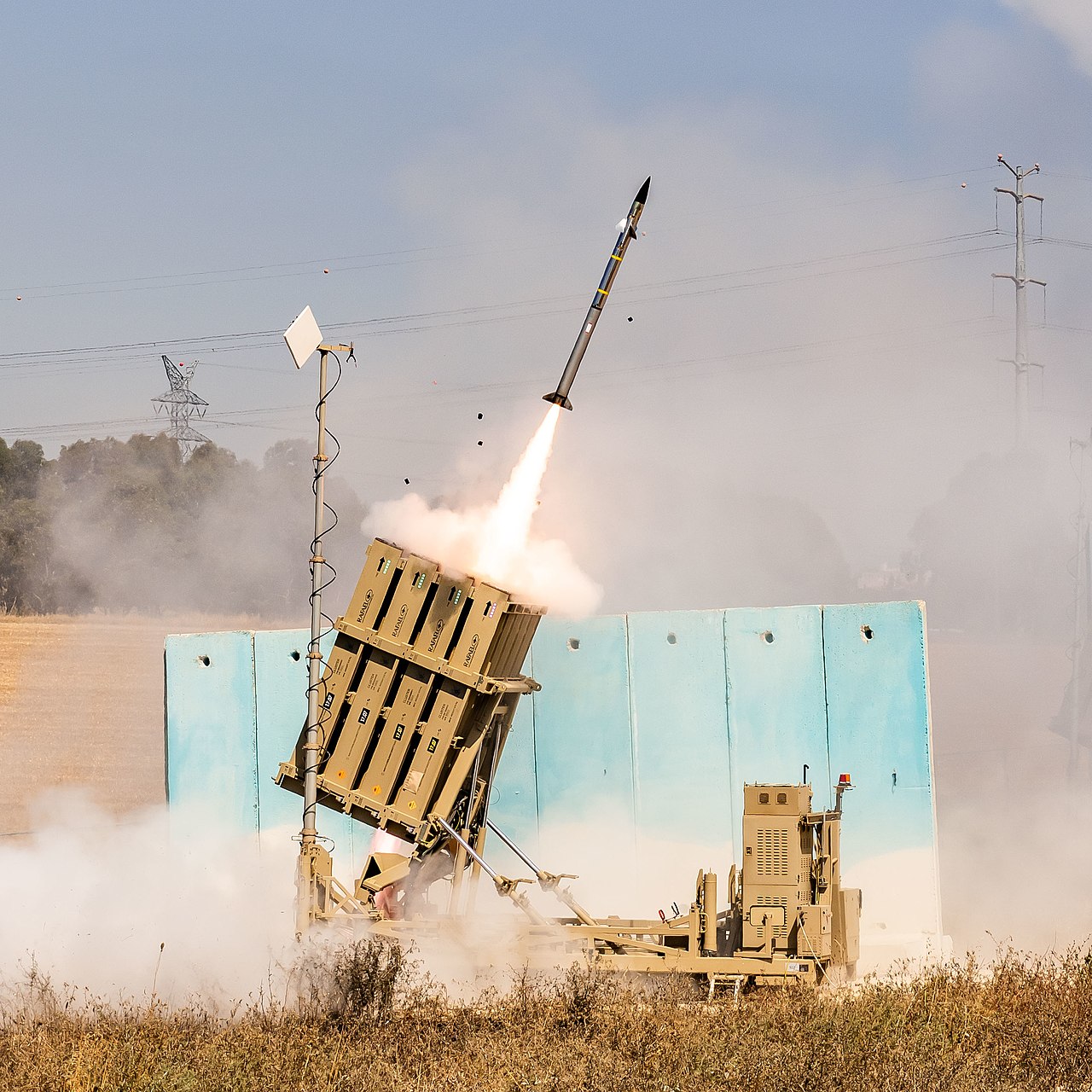
The ongoing conflict involving Iran, Israel, and the United States has entered its fourth week, marked by significant escalations and regional instability. Iran has conducted multiple retaliatory strikes against Israeli and U.S. military installations, while also issuing warnings to Gulf nations and threatening global shipping routes. These developments coincide with major religious observances in Iran, including Eid al-Fitr and Nowruz.
Escalation of Hostilities
Iranian forces launched their 70th wave of attacks, targeting both Israel and U.S. bases in the Gulf region with a combination of missiles and drones. This series of actions followed an Israeli strike on Iran's South Pars natural gas field. Notably, two ballistic missiles were fired at the U.S.-U.K. military base located on Diego Garcia in the Indian Ocean, indicating an expanded operational reach.
Regional Impact and Casualties
The conflict has resulted in a significant human toll, with 1,444 fatalities reported in Iran, including 204 children. Air defenses were activated over Tehran during Nowruz celebrations due to reports of explosions. In Lebanon, renewed Israeli attacks have led to 1,001 deaths, among them 118 children. Missile fragments from Iranian salvos have also impacted areas near the Al-Aqsa Mosque compound in occupied East Jerusalem, causing widespread damage in Israel.
Threats to Gulf Nations and Energy Infrastructure
Iran has issued direct threats to the United Arab Emirates, warning of severe repercussions if aggression against Iran originates from UAE territory, specifically mentioning Ras al-Khaimah. Kuwait's Mina al-Ahmadi refinery, which processes approximately 730,000 barrels of oil daily, sustained damage from Iranian drone strikes, resulting in a fire.
Regional defense systems have been active, with Bahrain intercepting 143 missiles and 242 drones since late February, and Saudi Arabia reporting the downing of 47 drones.
U.S. Response and Strategic Considerations
S. President Donald Trump has indicated a willingness to consider de-escalating military operations but has explicitly ruled out a ceasefire. S. is reportedly deploying an additional 2,200 to 2,500 Marines to the Middle East. S. administration include the potential for blockading or occupying Iran's Kharg Island, a critical oil export hub, which could significantly impact global energy markets.
Qatar has condemned Israeli military actions against Syrian facilities, highlighting the broader regional diplomatic tensions.
Global Market Implications
The ongoing conflict and threats to key energy infrastructure, particularly in the Persian Gulf, pose substantial risks to global oil prices and shipping lanes. Any disruption to the Strait of Hormuz, a vital chokepoint for oil transit, could trigger significant economic repercussions worldwide. S. forces and the consideration of actions against Iran's oil facilities underscore the potential for further escalation and its far-reaching economic and geopolitical consequences.
Implications
Country Impact: The conflict has led to significant casualties in Iran and Lebanon, exacerbating humanitarian crises. Regional nations like the UAE, Bahrain, and Saudi Arabia face direct threats and increased military activity, straining diplomatic relations and internal stability.
Industry Impact: The energy sector is particularly vulnerable, with Iranian strikes impacting oil infrastructure and threatening shipping routes. This poses risks of supply disruptions and price volatility for global oil and gas markets, affecting industries reliant on stable energy costs.
Market Impact: Global financial markets are likely to react to escalating tensions, particularly in oil prices and shipping insurance costs. Investor confidence in the Middle East region could decline, leading to capital outflows and increased volatility in regional stock exchanges and currency markets.