Rayner Challenges Labour Direction, Sparks Leadership Debate
Angela Rayner, Labour's Deputy Leader, challenged the party's direction and immigration policy, intensifying leadership speculation around Keir Starmer.
Lauren Collins ·
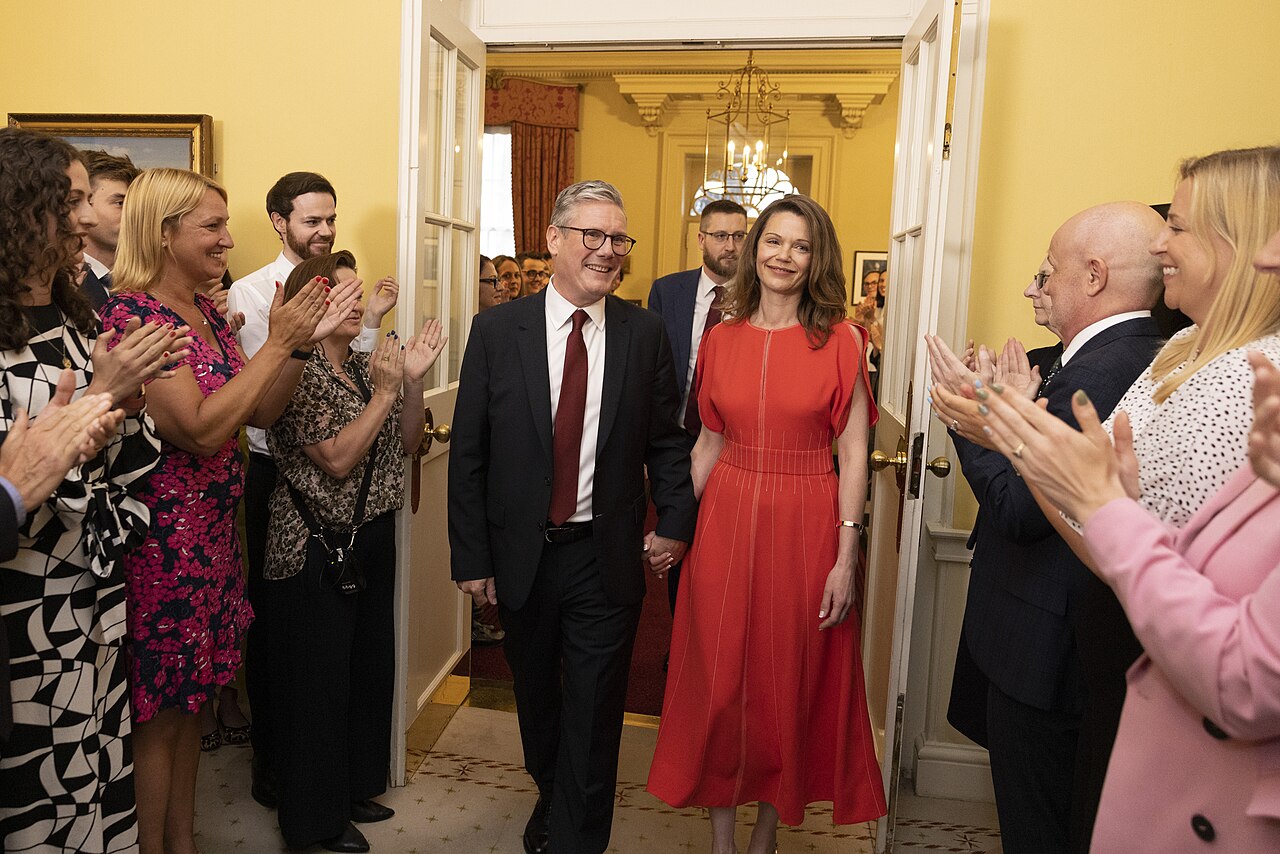
Angela Rayner, Deputy Leader of the Labour Party, recently delivered a speech to the Mainstream group, a soft-left faction within the party, signaling concerns over the party's current trajectory. Her address, while not directly calling for a change in leadership, underscored a perceived lack of momentum and an urgent need for the party to reconnect with the electorate.
Rayner emphasized the necessity for Labour to actively engage in national rebuilding and internal party reform. She articulated a view that the party should not merely observe societal decline but actively work to reverse it. This stance suggests a critique of the current leadership's approach to policy and public engagement.
Immigration Policy Criticized
A key point of contention raised by Rayner involved proposed alterations to immigration policy, specifically an extension of the waiting period for indefinite leave to remain (ILR). She argued that such measures could erode public trust and contradict fundamental British values. This critique aligns with broader sentiment among many Labour Members of Parliament who oppose stricter immigration stances.
Leadership Speculation Intensifies
The speech has fueled ongoing speculation regarding the leadership of Keir Starmer, particularly given recent public opinion polls indicating his perceived unpopularity. Rayner's intervention is seen by some as an implicit challenge to Starmer's authority and strategic direction.
Internal Party Reactions
Andy Burnham, the Mayor of Greater Manchester and a prominent figure within the Labour Party, offered a nuanced endorsement of Rayner's remarks. He suggested that the party leadership should consider her observations seriously. Similarly, Nick Thomas-Symonds, a Cabinet Office minister, acknowledged a shared impatience for change within the government, indicating a broader appetite for new policy directions.
Context of Labour's Challenges
The Labour Party has faced significant challenges in recent electoral cycles, prompting internal debates about its core identity and electability. Rayner's speech reflects a segment of the party advocating for a more assertive and ideologically distinct platform to differentiate itself from the governing Conservative Party. The internal discussions highlight the ongoing struggle to define Labour's future path and its appeal to a diverse voter base.
The party's ability to unify its various factions will be crucial in its efforts to present a cohesive alternative government.
Implications
Country Impact: The internal debate within the Labour Party could influence the broader political discourse in the UK, potentially shifting policy discussions on immigration and national rebuilding. It highlights the challenges faced by opposition parties in presenting a unified front.
Industry Impact: No direct industry implications are immediately apparent from this political development. However, shifts in political leadership or policy direction could indirectly affect various sectors, particularly those sensitive to government spending or regulatory changes.
Market Impact: The political uncertainty surrounding the Labour Party's leadership and policy direction could introduce minor volatility in UK political risk assessments, though direct market impact is likely limited unless a significant change in government becomes imminent.