Pakistan Drone Incursions Escalate Amid Border Tensions
Pakistan experienced drone incursions on March 13, 2026, causing civilian injuries and escalating tensions with Afghanistan amid cross-border accusations.
Lauren Collins ·
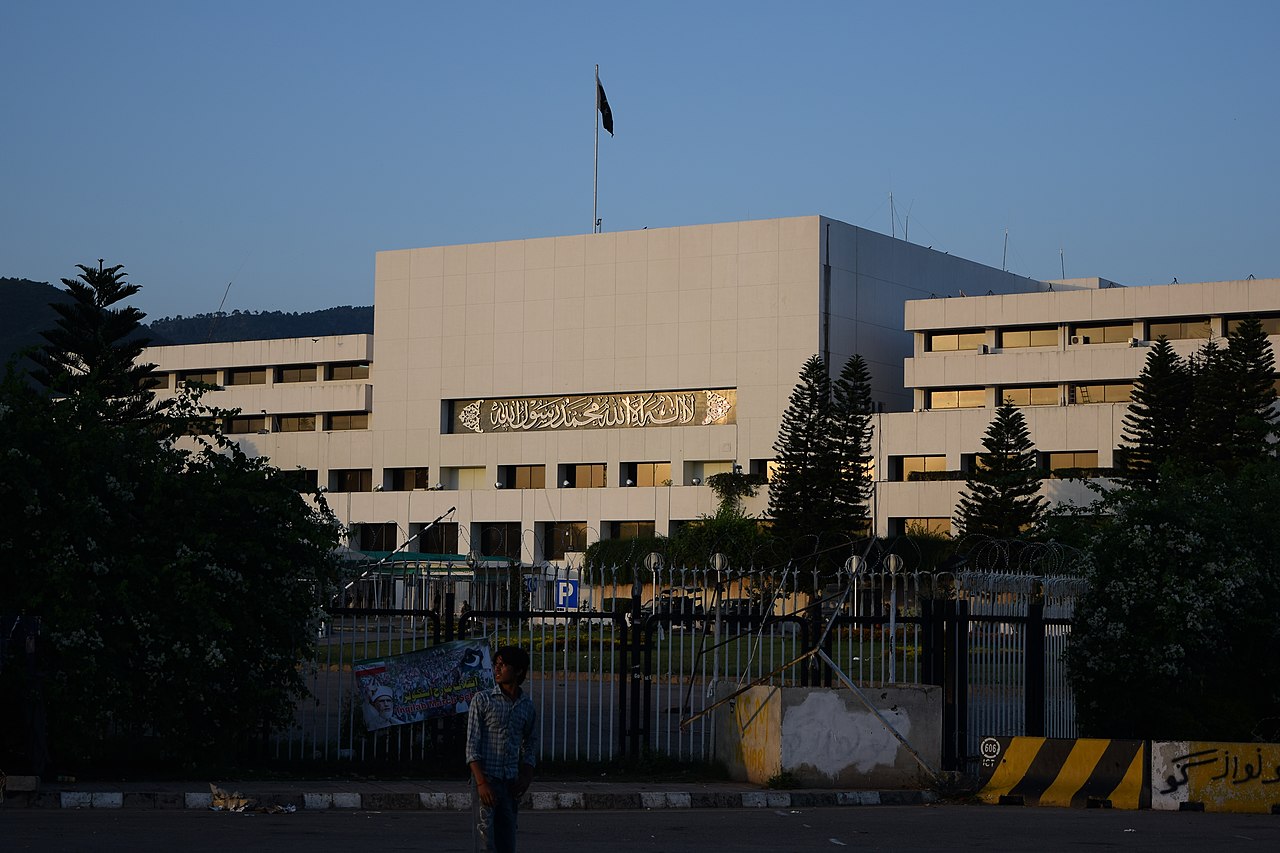
Pakistan experienced multiple drone incursions on March 13, 2026, impacting areas including Quetta, Kohat, and Rawalpindi. These incidents resulted in civilian injuries and prompted immediate responses from Pakistani authorities, including a nationwide ban on drone flights and temporary airspace restrictions over the capital city. The Pakistani military reported intercepting the unmanned aerial vehicles.
President Asif Ali Zardari characterized these drone activities as crossing a "red line," specifically citing the targeting of civilian populations. This event is part of a broader trend of increased drone presence over Pakistani airspace, highlighting evolving security challenges.
Cross-Border Accusations and Denials
Analysts have pointed out that regardless of the drones' technical complexity, their repeated penetration into urban centers and heavily guarded garrison cities underscores significant vulnerabilities in Pakistan's air defense systems. This situation reflects a changing landscape of warfare tactics that both nations are grappling with.
Regional Tensions and Diplomatic Strain
Afghan authorities have consistently denied these allegations, leading to a diplomatic impasse. The ongoing conflict has featured cross-border artillery exchanges and drone attacks originating from Afghanistan, with both nations accusing the other of causing civilian casualties. International bodies, including the United Nations, have expressed concern regarding adherence to international law amidst these hostilities.
Implications for Regional Stability
Further escalation could have significant implications for trade routes, refugee flows, and broader security dynamics in South Asia. Both governments face internal and external pressure to address the root causes of the conflict and prevent further civilian harm.
Implications
Country Impact: Pakistan faces heightened internal security challenges and potential for further cross-border conflict. The incidents strain diplomatic relations with Afghanistan, impacting regional stability and counter-terrorism efforts.
Industry Impact: The defense and security sectors in Pakistan may see increased investment in anti-drone technologies and border surveillance. Regional trade and infrastructure projects could face disruptions due to ongoing instability.
Market Impact: Increased geopolitical risk in South Asia could deter foreign investment in both Pakistan and Afghanistan. Energy and commodity markets might react to any significant escalation impacting regional supply chains.