EU, Australia Seek Trade Deal Finalization
EU and Australia aim to finalize a trade deal during European Commission President Ursula von der Leyen's visit in March 2026.
Lauren Collins ·
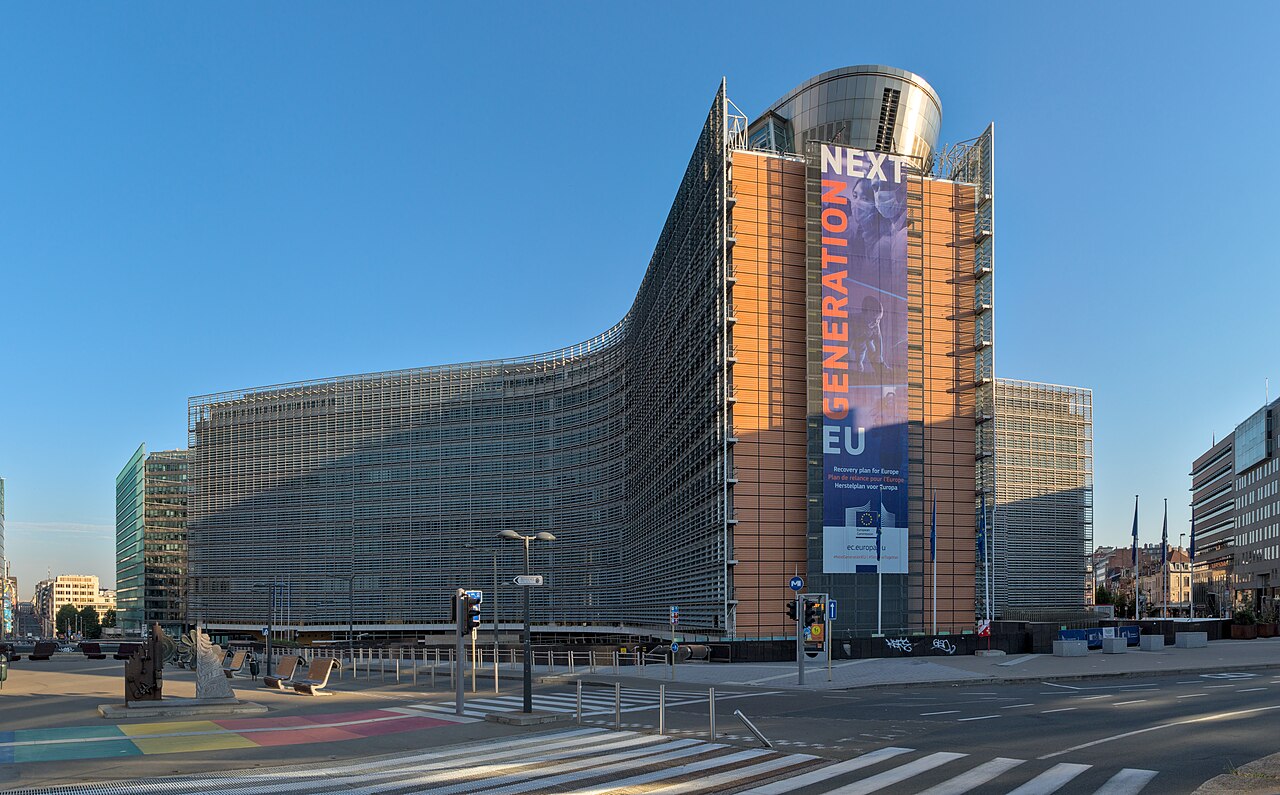
European Commission President Ursula von der Leyen is scheduled to visit Australia from March 23 to March 25, 2026, for discussions with Australian Prime Minister Anthony Albanese. The primary objective of this high-level meeting is to finalize a comprehensive trade agreement between the European Union and Australia, signaling renewed momentum in negotiations.
This upcoming visit follows recent indications of progress in the trade talks, which had previously stalled. The proposed agreement aims to deepen the strategic partnership between the two entities, particularly within the Indo-Pacific region, where Australia is considered a crucial ally for the EU.
Previous Sticking Points
Earlier negotiations in 2023 encountered significant obstacles, ultimately failing to reach a resolution. A central point of contention revolved around agricultural market access, specifically Australia's demands for increased quotas for its lamb and beef exports into the European market.
Conversely, the European Union has been seeking enhanced access to Australia's critical minerals, which are vital for its green and digital transitions. The EU also aims for a reduction in tariffs on its manufactured goods entering the Australian market, reflecting its industrial export interests.
Strategic Economic Alignment
The Commission has emphasized that President von der Leyen's visit is designed to reinforce the broader strategic partnership. A successful trade deal would significantly boost economic cooperation, providing expanded market access and fostering trade flows for both economies.
Such an agreement would align with the EU's broader strategy to diversify supply chains and strengthen alliances with like-minded partners in the Indo-Pacific. For Australia, it represents an opportunity to secure preferential access to one of the world's largest consumer markets, supporting its agricultural and resource sectors.
Outlook for Negotiations
The upcoming discussions are expected to address the remaining divergences, particularly in sensitive sectors. The political will demonstrated by this high-level engagement suggests a concerted effort to overcome past impasses and secure a mutually beneficial outcome.
Analysts will closely monitor the specifics of any finalized agreement, especially regarding the concessions made on agricultural products and critical minerals. The outcome will have implications for global trade dynamics and the EU's engagement with the Indo-Pacific region.
Implications
Country Impact: Australia could gain significant market access for its agricultural products, particularly lamb and beef, boosting its export economy. The EU would secure better access to critical minerals, essential for its industrial and technological development.
Industry Impact: The agricultural sector in Australia stands to benefit from increased export quotas. European manufacturing industries could see reduced tariffs, enhancing their competitiveness in the Australian market. The critical minerals sector in Australia would likely experience increased demand and investment.
Market Impact: A finalized trade deal could lead to increased trade volumes and foreign direct investment between the EU and Australia. It may also influence commodity markets, particularly for critical minerals and agricultural goods, by altering supply and demand dynamics.