Trump Discloses Congressman's Health Status
Donald Trump publicly disclosed Republican Representative Neal Dunn's health details on March 3, 2026, sparking privacy concerns.
Lauren Collins ·
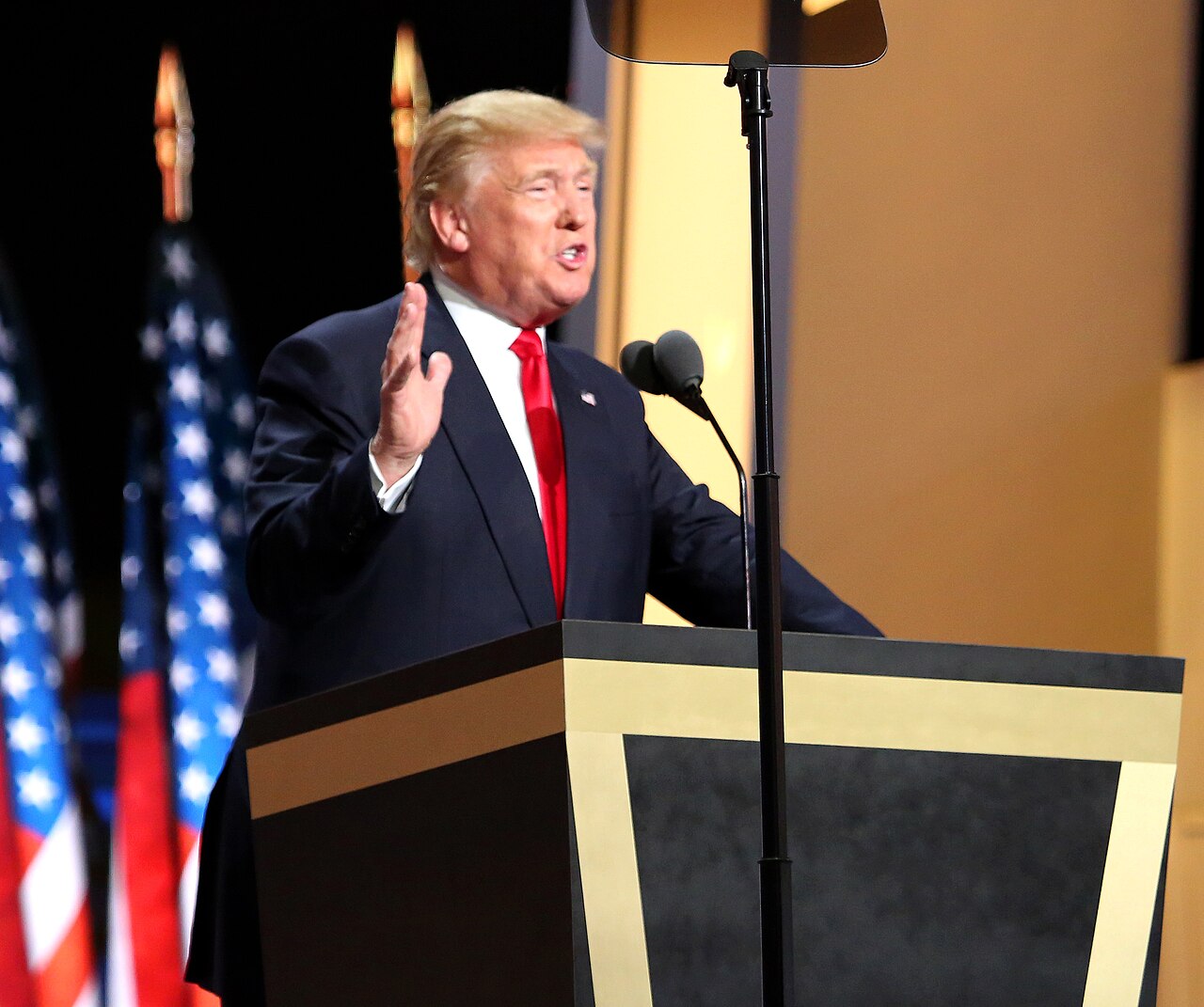
Former President Donald Trump publicly revealed details regarding Republican Representative Neal Dunn's health condition on Monday, March 3, 2026. The disclosure occurred during a White House press conference, where Trump stated that Dunn had received a "terminal" diagnosis. This information was not previously public, a point later clarified by House Speaker Mike Johnson.
Trump indicated that Representative Dunn, a 73-year-old from Florida, was diagnosed with a severe heart problem and was initially given a prognosis of death by June. Following this, Trump facilitated Dunn's connection with White House medical personnel, who subsequently performed a significant surgical procedure involving additional stents.
Congressional Context and Health Disclosure
This event unfolds within a politically sensitive period for Republicans, who currently hold a narrow one-seat majority in the House of Representatives. The legislative body is operating with three vacant seats, intensifying the focus on every member's status and participation.
Representative Dunn's Political Future
Implications for Political Norms
Broader Political Landscape
Implications
Country Impact: The incident highlights ongoing debates about privacy norms for public figures in the United States, particularly concerning health information. It could influence future discussions on ethical boundaries in political discourse.
Industry Impact: The media industry faces renewed scrutiny regarding the reporting of private medical information of public officials, especially when disclosed by third parties. This could lead to discussions on journalistic ethics and source verification.
Market Impact: While not directly impacting financial markets, such events can contribute to broader political uncertainty, which markets generally dislike. The stability of legislative majorities can influence policy predictability, a factor considered by investors.