Airline CEOs Call for End to US Government Shutdown
Major U.S. airline CEOs urged Congress to end the government shutdown, citing unpaid airport workers and travel disruptions affecting TSA operations.
Lauren Collins ·
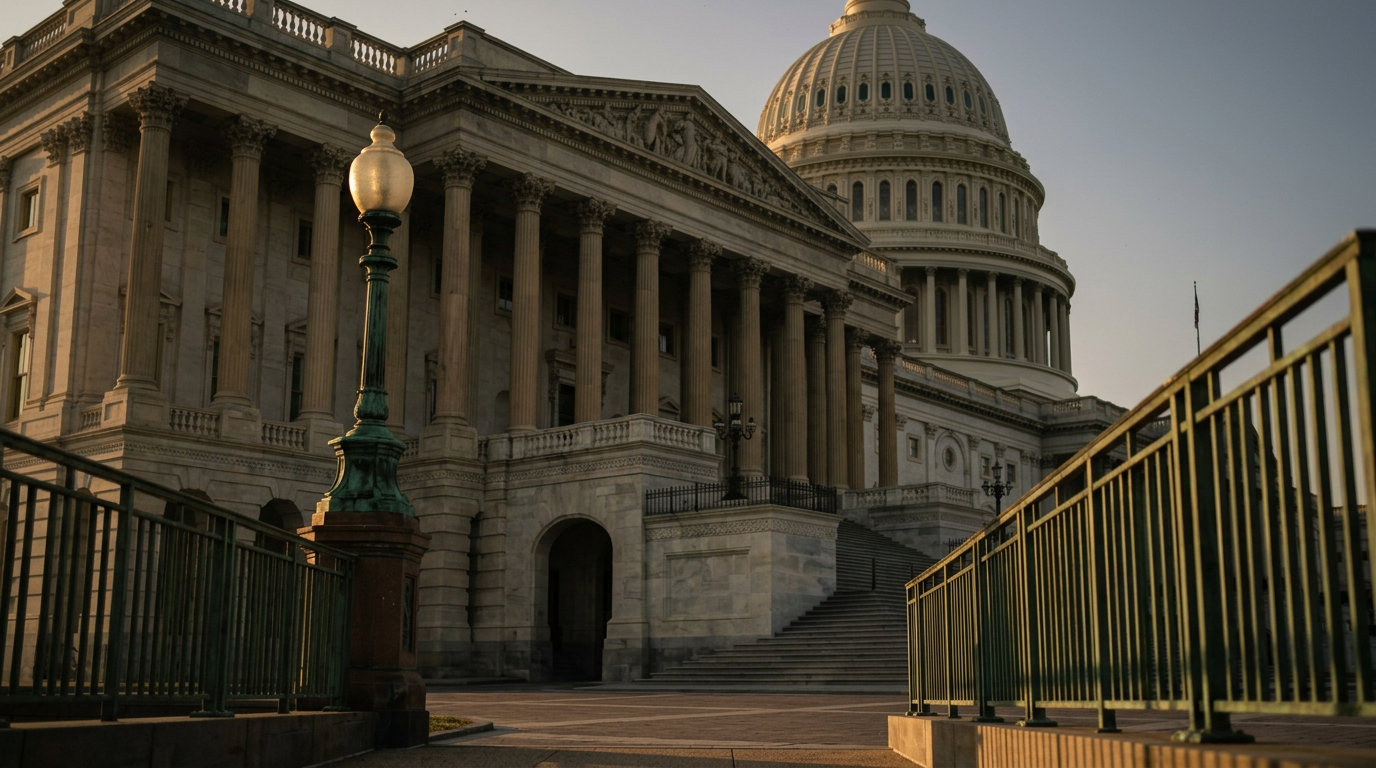
Major U.S. airline executives have formally appealed to the U.S. Congress to conclude the ongoing government shutdown. The appeal, made by leaders from American Airlines, Delta, Southwest, and JetBlue, highlights the severe operational disruptions and financial strain on essential airport personnel. Their primary concern centers on the lack of funding for the Department of Homeland Security (DHS), which supervises the Transportation Security Administration (TSA).
The DHS has been operating without its full budget since February, a direct consequence of a legislative deadlock over a new funding agreement. This impasse has led to TSA employees, classified as essential workers, missing their initial full paycheck. The resulting staffing shortages have significantly impacted airport operations nationwide.
Impact on Airport Operations and Staffing
The absence of regular pay has prompted a notable increase in TSA employee resignations, with over 300 personnel departing since the funding lapse began. Furthermore, call-out rates among TSA staff have more than doubled during this period. These staffing deficiencies, compounded by challenging weather conditions and the onset of spring break travel, have led to substantial delays at various airports.
For instance, Austin, Texas, reported security wait times exceeding 100 minutes due due to the reduced workforce. The airline industry leaders underscored the financial difficulties faced by these critical workers, whose continued service is vital for national security and travel.
Legislative Impasse and Funding Disputes
The partial government shutdown commenced on February 14. It originated from a disagreement between congressional Democrats and the administration regarding DHS funding. Democrats have reportedly refused to approve the full funding package without additional stipulations concerning U.S. Immigration and Customs Enforcement (ICE).
The airline CEOs specifically urged Congress to enact legislation that would guarantee compensation for air traffic controllers, irrespective of future government funding disputes. This measure aims to prevent similar disruptions to air travel infrastructure during periods of legislative gridlock.
Broader Economic and Travel Implications
The prolonged shutdown not only affects airport security but also has wider implications for the travel industry and the broader economy. Unpaid federal workers, including those in critical aviation roles, face personal financial hardship, which can lead to reduced morale and potential long-term staffing issues.
Continued disruptions to air travel can deter business and leisure travel, impacting airline revenues, hospitality sectors, and local economies dependent on tourism. The airline industry's direct appeal underscores the urgency of resolving the political stalemate to safeguard essential services and economic stability.
Implications
Country Impact: The U.S. government shutdown impacts federal workers' financial stability and disrupts critical services like air travel security, potentially undermining public confidence in government functionality.
Industry Impact: The airline industry faces operational challenges, increased delays, and potential revenue losses due to staffing shortages at airports, prompting calls for legislative resolution to ensure stable operations.
Market Impact: Prolonged government shutdowns can introduce uncertainty into financial markets, affecting investor confidence and potentially impacting the valuations of travel and leisure sector stocks.