Trump Threatens Iran's Kharg Island Over Military Sites
Donald Trump threatened further military action against Iran's Kharg Island on Monday, following a strike on military facilities.
Lauren Collins ·
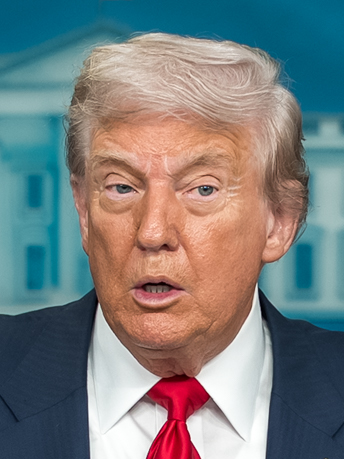
Former U.S. President Donald Trump issued a new warning on Monday, March 16, 2026, regarding potential military action against Iran's Kharg Island. This follows an earlier strike that reportedly targeted military installations on the strategic island. Trump indicated that future actions could be more extensive, stating his willingness to "knock the hell out of it."
The previous U.S. military operation, announced by Trump on Friday via Truth Social, aimed to neutralize military targets on Kharg Island. U.S. military officials confirmed on Saturday that missile and other military facilities were destroyed during this initial strike. Crucially, the island's oil infrastructure, which handles approximately 90% of Iran's crude exports, was intentionally left undamaged.
Strategic Importance of Kharg Island
Kharg Island serves as Iran's primary oil export terminal, making it a vital component of the nation's economy. The decision to spare the oil facilities was reportedly made to avoid lengthy reconstruction efforts, suggesting a calculated approach to the military engagement. This ongoing military activity in Iran commenced in late February, escalating regional tensions.
Public Opinion and Economic Repercussions
Public sentiment in the United States appears largely critical of the administration's handling of the conflict. A recent PBS News/NPR/Marist poll indicated that a majority of Americans disapprove of Trump's approach and oppose direct U.S. military involvement in Iran. The conflict's broader economic impact has been significant, particularly on global energy markets.
Global Energy Market Response
International oil prices have experienced a notable surge since the onset of hostilities. In response to this volatility and to stabilize markets, the International Energy Agency (IEA) released 400 million barrels of oil from strategic reserves last week. This measure aimed to mitigate the impact of supply concerns on global gas prices and prevent further economic disruption.
Historical Context of U.S.-Iran Tensions
U.S.-Iran relations have been fraught with tension for decades, often characterized by periods of heightened rhetoric and military posturing. The current situation builds upon a history of sanctions, proxy conflicts, and disputes over Iran's nuclear program and regional influence. Kharg Island has historically been a focal point due to its economic significance, making any threat to it a major geopolitical concern.
Outlook on Future Actions
The explicit threat of further strikes, coupled with the deliberate sparing of oil infrastructure, suggests a strategy aimed at pressuring Iran while attempting to avoid a complete collapse of its oil export capabilities. The international community continues to monitor the situation closely, given the potential for broader regional destabilization and its implications for global energy security.
Implications
Country Impact: The U.S. faces domestic political challenges, with public opinion largely opposing military involvement. Iran's economy remains under pressure, though its critical oil infrastructure has been spared from direct attack.
Industry Impact: The global energy sector is experiencing significant volatility, leading to higher gas prices. The IEA's intervention underscores concerns about oil supply stability and market disruptions.
Market Impact: Global oil markets are reacting to geopolitical tensions, with prices surging. The release of strategic reserves aims to temper these increases, but uncertainty persists regarding future supply and demand dynamics.