Abu Dhabi Oil Field Targeted by Drone Attack
A drone attack caused a fire at Abu Dhabi's Shah oil and gas field on March 16, 2026, with no reported injuries, highlighting regional security concerns.
Lauren Collins ·
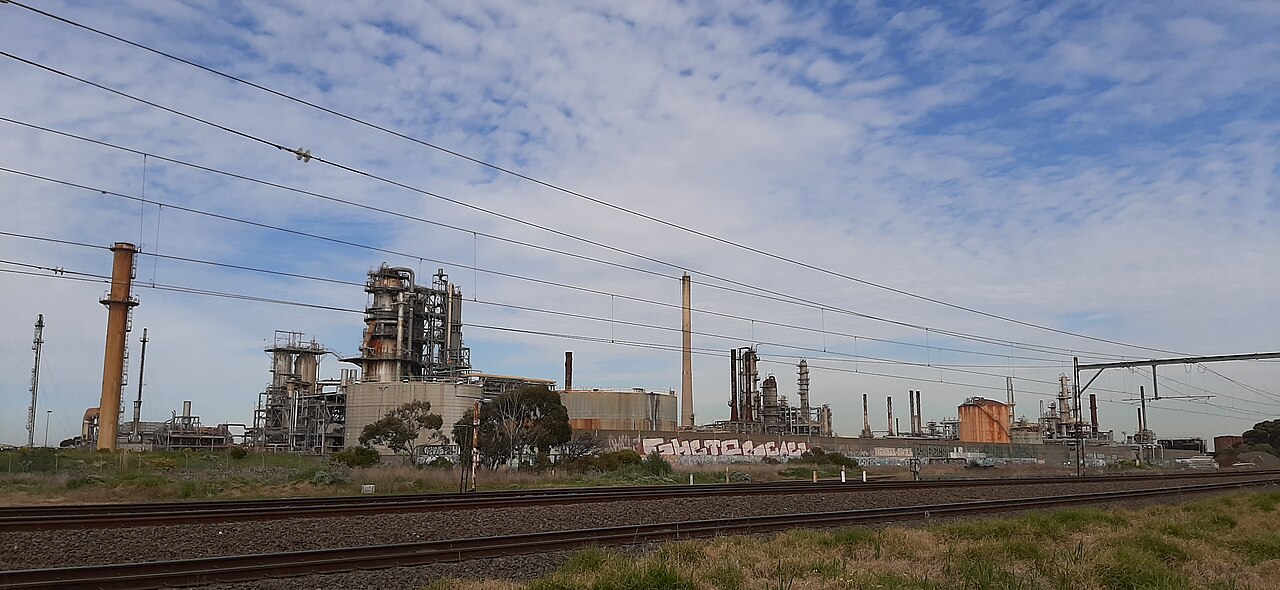
A drone attack on Monday, March 16, 2026, caused a fire at the Shah oil and gas field in Abu Dhabi, United Arab Emirates. Authorities confirmed the incident, which occurred approximately 180 kilometers southwest of the capital. No injuries were reported following the strike on the significant energy installation.
This event highlights the ongoing security challenges facing critical infrastructure in the Middle East. The Shah field is a substantial component of the UAE's energy production capacity, recognized globally for its scale. The absence of casualties suggests either effective emergency response measures or a limited impact on personnel, despite the operational disruption caused by the fire.
Regional Security Concerns
The incident underscores the increasing vulnerability of major energy assets to drone technology in the region. Such attacks contribute to heightened geopolitical tensions and raise concerns about the stability of global energy supplies. The Middle East has experienced a series of similar incidents targeting oil facilities in recent years, often attributed to non-state actors or regional adversaries.
Strategic Importance of Shah Field
The Shah gas field, operated by ADNOC Sour Gas, a joint venture between ADNOC and Occidental Petroleum, is crucial for the UAE's domestic energy needs and export capabilities. It processes sour gas, which is challenging to extract due to its high hydrogen sulfide content. The field's continued operation is vital for the country's economic stability and its role as a major global energy producer.
Broader Implications for Energy Markets
While the immediate impact on global oil prices was not detailed, attacks on significant energy infrastructure typically introduce market volatility. Investors often react to perceived threats to supply, leading to price fluctuations in crude oil and natural gas futures. The incident could prompt a re-evaluation of security protocols for energy facilities across the Gulf region.
International Response and Future Outlook
International bodies and allied nations often condemn such attacks, emphasizing the need for regional stability and the protection of civilian infrastructure. The incident may lead to increased diplomatic efforts to de-escalate tensions and enhance security cooperation. The long-term outlook for energy security in the Middle East remains a key concern for global markets and political actors, with drone technology posing an evolving threat.
Implications
Country Impact: The incident highlights the UAE's vulnerability to asymmetric threats, potentially prompting enhanced domestic security measures and a review of critical infrastructure protection strategies. It could also influence the nation's foreign policy in regional conflict zones.
Industry Impact: The energy sector, particularly in the Middle East, faces increased pressure to invest in advanced anti-drone defense systems and improve operational resilience. This could lead to higher security costs and potential disruptions in production schedules.
Market Impact: Attacks on major energy facilities typically introduce uncertainty into global energy markets, potentially leading to short-term price volatility for crude oil and natural gas. It reinforces the geopolitical risk premium associated with Middle Eastern energy supplies.