Judges Block Trump-Era Investigations, Citing Lack of Evidence
Federal judges have blocked several Trump-era Justice Department investigations, citing a lack of legal basis and potential political motivation.
Lauren Collins ·
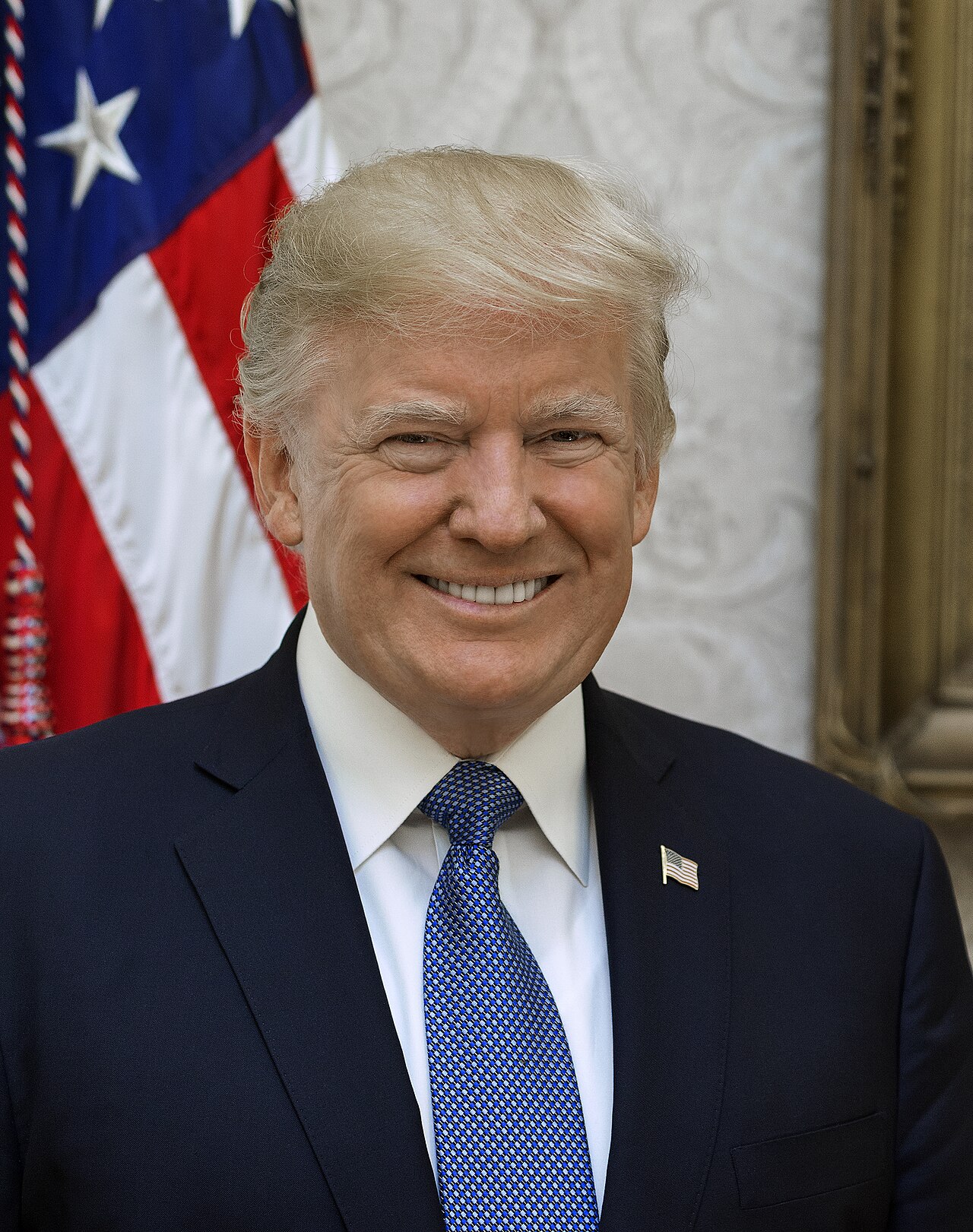
Federal judges have recently intervened to halt several Justice Department investigations initiated during the Trump administration, citing insufficient legal grounds. These judicial actions, which include quashing grand jury subpoenas and dismissing indictments, suggest a pattern of courts scrutinizing executive branch legal processes.
The rulings have primarily targeted inquiries perceived as politically motivated, particularly those involving former President Donald Trump's political opponents.
One notable instance occurred on Friday, March 14, 2026, when Judge James E. Boasberg of the Federal District Court in Washington blocked grand jury subpoenas issued to the Federal Reserve. These subpoenas sought information regarding renovations at the Federal Reserve's headquarters and congressional testimony from Chairman Jerome H. Powell. "
Judicial Scrutiny of Executive Power
This judicial pushback extends beyond the Federal Reserve case. In fall 2025, indictments against former FBI Director James B. Comey and New York Attorney General Letitia James were dismissed. The dismissals were attributed to the involvement of an illegally appointed prosecutor, underscoring procedural irregularities in the investigations.
Further demonstrating this trend, a grand jury in February 2026 declined to indict six Democratic lawmakers on sedition charges. These collective decisions highlight the judiciary's role in upholding legal standards and preventing the misuse of prosecutorial powers, even at early investigative stages where the threshold for approval is typically low.
Implications for Legal Oversight
The interventions by federal courts are significant because they occurred at fundamental stages of federal law enforcement. Grand jury subpoenas, for example, usually require a relatively low bar for issuance. The judges' decisions to block these actions indicate a higher level of scrutiny applied to the underlying legal basis and potential motivations behind the investigations.
S. Attorney Jeanine Pirro, who is overseeing the Federal Reserve case, has indicated an intention to appeal Judge Boasberg's ruling. However, the consistent judicial interventions across multiple cases underscore a broader concern within the judiciary regarding the integrity and impartiality of certain investigations initiated under the previous administration.
These developments reinforce the judiciary's role as a check on executive authority, particularly in matters concerning political adversaries.
Broader Context of Political Investigations
The series of judicial decisions reflects an ongoing tension between political administrations and the independent judiciary. S. legal system. These recent rulings serve as a reminder of the courts' power to review and, if necessary, curtail executive actions that appear to lack sufficient legal merit or are perceived as politically motivated.
The outcomes of these appeals and any subsequent investigations will continue to shape the boundaries of executive power and judicial oversight in the United States.
Implications
Country Impact: These judicial interventions reinforce the principle of judicial independence and oversight within the U.S. legal system, potentially setting precedents for future politically sensitive investigations. They underscore the judiciary's role in safeguarding against potential abuses of power by the executive branch.
Industry Impact: The specific targeting of the Federal Reserve and its Chairman, Jerome Powell, could have implications for the perceived independence of financial institutions from political pressure. While the subpoenas were quashed, the attempt itself highlights vulnerabilities to political interference.
Market Impact: While direct market impact is limited, the rulings contribute to broader perceptions of political stability and the rule of law. A strong, independent judiciary can reassure investors about the predictability and fairness of the legal environment, reducing political risk premiums in the long term.