Trump Urges Europe on Hormuz Security
Former U.S. President Trump urged European allies to secure the Strait of Hormuz, warning that inaction could harm NATO relations.
Lauren Collins ·
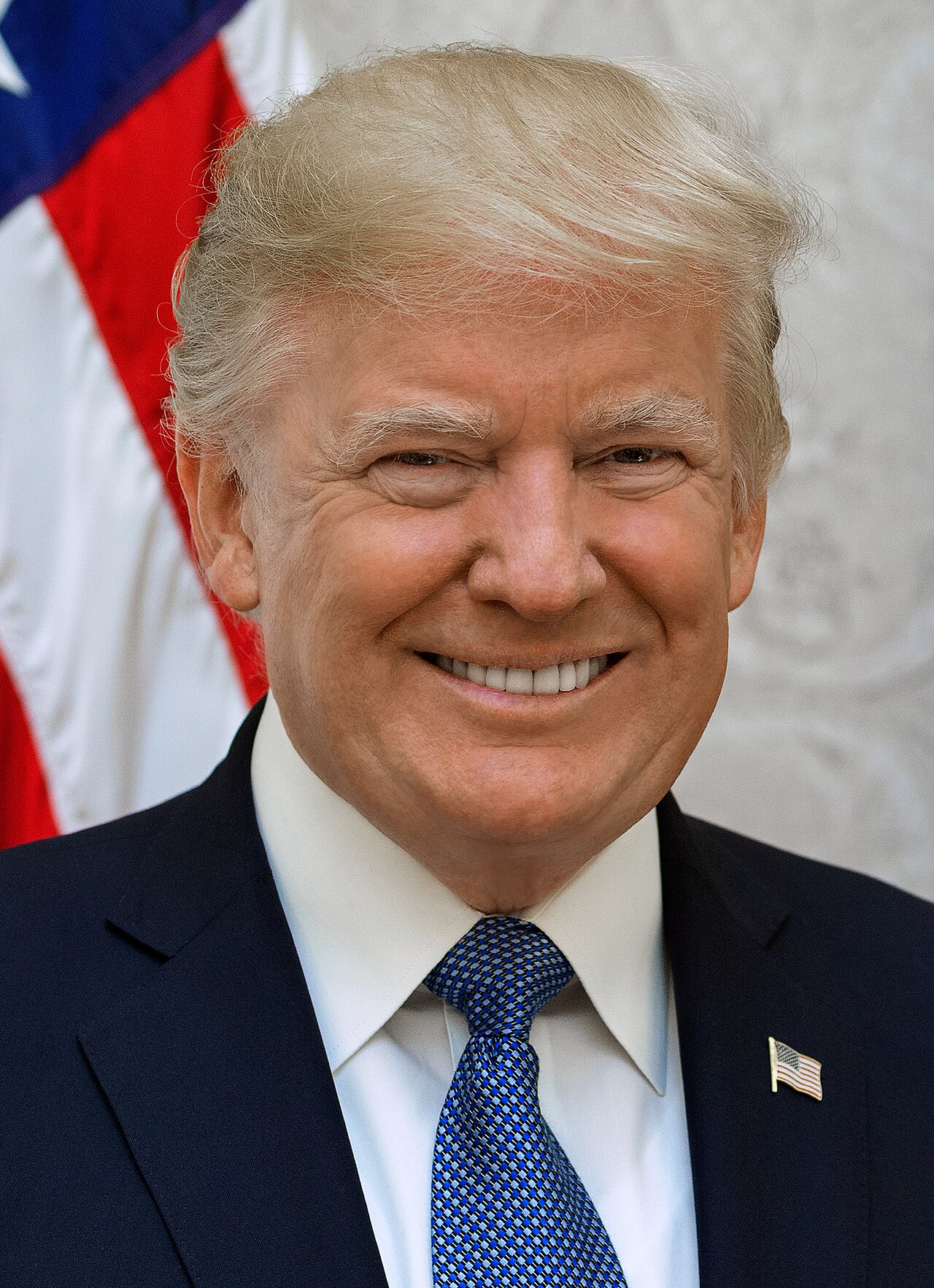
Former U.S. President Donald Trump has publicly called upon European nations to increase their contributions to securing the Strait of Hormuz. This appeal emphasizes that countries benefiting from the critical waterway should actively participate in its protection. Trump indicated that a lack of European involvement could have detrimental consequences for the North Atlantic Treaty Organization (NATO).
This pressure from the former U.S. administration emerged during a period of heightened tensions in the Persian Gulf. The Strait of Hormuz, a narrow chokepoint, is vital for global energy and trade, facilitating a significant portion of the world's seaborne oil shipments. Disruptions in this region can lead to substantial increases in global oil prices and impact international supply chains.
### Geopolitical Context and Energy Security
The calls for European naval contributions followed a series of incidents that threatened maritime security in the Strait. These events included attacks on oil tankers and other commercial vessels, which the U.S. attributed to Iran. The U.S. had previously deployed additional military assets to the region to deter further aggression and protect shipping lanes.
Trump's stance highlighted a perceived imbalance in security responsibilities, suggesting that nations heavily reliant on the Strait for their economic well-being should share the burden of its defense. He articulated this view in an interview, stating it was "only appropriate" for beneficiaries to contribute to security efforts.
### NATO Implications and Allied Response
The former President explicitly linked European participation in Hormuz security to the future stability of NATO. He warned that an insufficient or negative response from allies could be "very bad for the future of Nato," implying a potential strain on transatlantic relations and collective defense commitments.
Despite these urgings, several key U.S. allies expressed reservations or indicated no immediate plans to deploy naval forces to the Strait of Hormuz. Nations such as Australia, France, Japan, and the United Kingdom did not commit to sending additional ships to the region at that time. This divergence in approach underscored differing strategic priorities and assessments of the regional security landscape among allies.
### Economic Significance of the Strait
The Strait of Hormuz is one of the world's most strategically important chokepoints. Approximately one-fifth of global oil consumption, along with a substantial volume of liquefied natural gas (LNG), transits through this waterway daily. Any prolonged disruption can trigger significant volatility in energy markets, affecting economies worldwide. The U.S. had previously cited the potential for "the largest oil supply disruption in history" as a consequence of regional instability.
The broader context included retaliatory actions by Iran following U.S. airstrikes and those attributed to Israel, which further escalated tensions. The U.S. had been advocating for an international coalition to safeguard maritime navigation, but the level of commitment from European partners remained a point of contention. The situation underscored the complex interplay between regional security, global energy markets, and alliance dynamics.
Implications
Country Impact: The U.S. call for European involvement highlighted a potential strain on transatlantic alliances, particularly concerning burden-sharing in global security operations. European nations faced pressure to balance their economic interests in the Gulf with their strategic autonomy and existing defense commitments.
Industry Impact: The energy sector, particularly oil and gas, remained highly sensitive to geopolitical developments in the Strait of Hormuz. Increased tensions or disruptions could lead to significant price volatility and supply chain uncertainties for global energy markets.
Market Impact: Global financial markets, especially commodity markets, reacted to the perceived security risks in the Persian Gulf. Oil prices, in particular, were subject to upward pressure during periods of heightened instability, reflecting concerns over potential supply disruptions.