Trump Calls for Allied Naval Presence in Hormuz Strait
Former U.S. President Trump urged allies to deploy warships to the Strait of Hormuz to secure the vital global oil shipping lane.
Lauren Collins ·
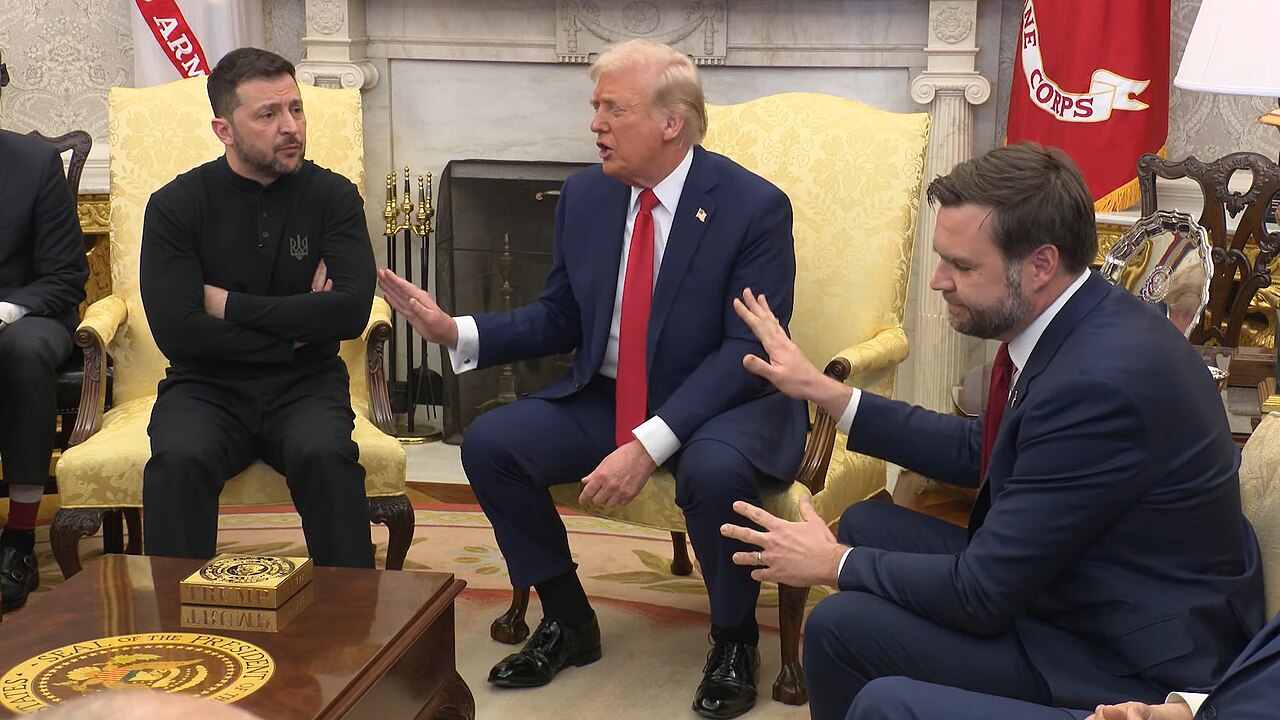
Former U.S. President Donald Trump recently advocated for a multinational naval deployment to the Strait of Hormuz. His statement, issued on Saturday, specifically called upon the United Kingdom, China, France, Japan, and South Korea to contribute warships to safeguard the vital maritime passage.
This appeal comes amidst escalating tensions in the region, marked by a series of maritime incidents. Since February 28, sixteen tanker attacks have been reported within the strait, a critical chokepoint for global energy supplies.
Strategic Importance of Hormuz
U.S. Support and Iranian Warnings
Conversely, Iran has publicly declared its intent to impede passage through the strait under certain conditions. Tehran has also warned that any tanker destined for the U.S., Israel, or their allies would be considered a legitimate target, further intensifying concerns about potential disruptions to global oil markets.
International Response and Regional Dynamics
The call for an allied naval presence reflects a broader international concern over freedom of navigation and the stability of energy supply chains. Past incidents in the Strait of Hormuz have frequently led to spikes in oil prices and increased insurance costs for shipping, highlighting the economic sensitivity of the region.
Historical Context of Strait Tensions
Implications
Country Impact: The proposed naval deployment could strain diplomatic relations between participating nations and Iran, potentially leading to increased regional instability. Countries reliant on oil imports, like Japan and South Korea, face heightened energy security concerns.
Industry Impact: The shipping and insurance industries would likely face increased costs and operational risks due to heightened security threats in the Strait of Hormuz. Global oil markets could experience price volatility and supply chain disruptions.
Market Impact: Global energy markets would react to any perceived escalation, potentially driving up crude oil prices and impacting related financial instruments. Increased geopolitical risk could also lead to broader market uncertainty and investor caution.