Cuba Suffers Nationwide Blackout After Hurricane Ian
Cuba experienced a nationwide power outage on September 27, 2022, affecting 11 million residents after Hurricane Ian made landfall.
Lauren Collins ·
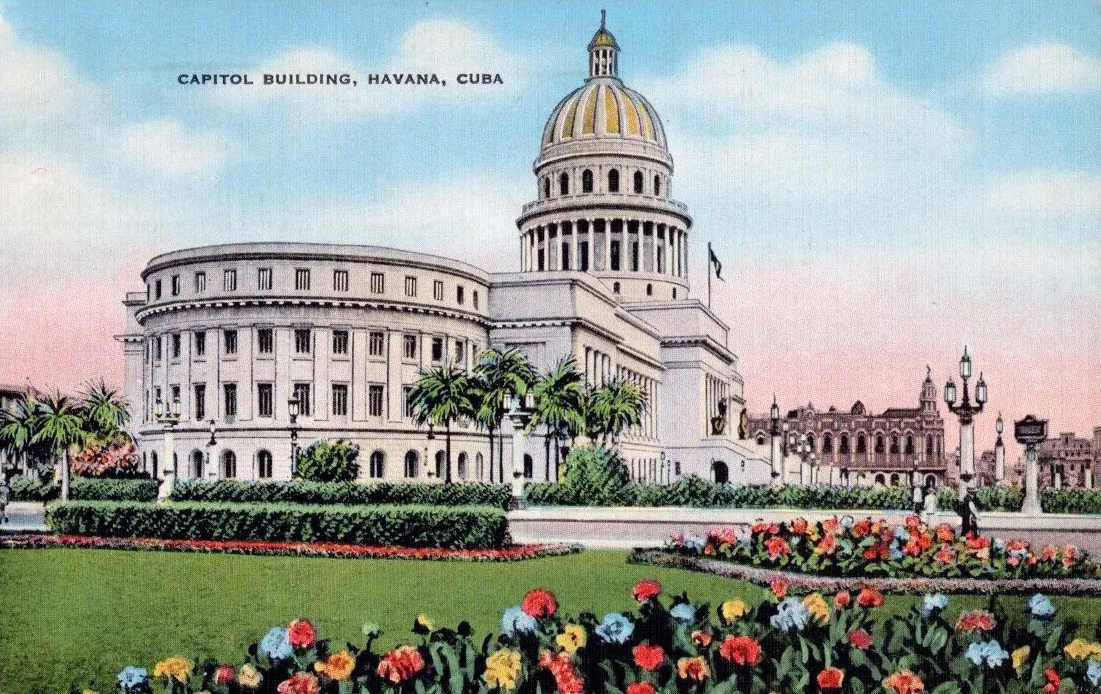
Cuba experienced a complete national power outage on Tuesday, September 27, 2022, impacting all 11 million of its citizens. The widespread disruption to the electrical supply coincided with Hurricane Ian's landfall in the western part of the island nation. This event underscored the fragility of Cuba's aging energy infrastructure when confronted with severe weather phenomena.
The state-owned utility, Union Electrica de Cuba, confirmed the failure of the national electrical system. This collapse resulted in a total loss of power across the entire country. The primary cause was identified as the intense weather conditions associated with Hurricane Ian, which struck the province of Pinar del Rio as a Category 3 storm.
Infrastructure Vulnerability Exposed
The incident highlighted the inherent vulnerabilities within Cuba's electrical grid. The system, characterized by its advanced age, has frequently struggled to maintain consistent power even under routine operational circumstances. This pre-existing condition of an energy crisis, marked by regular power cuts, was significantly exacerbated by the hurricane's impact.
Immediate Restoration Efforts Underway
Following the widespread outage, authorities initiated immediate efforts to restore electricity. Teams from Union Electrica de Cuba began working to progressively reactivate the national grid and bring power back to affected regions. The process of full restoration was anticipated to be complex and time-consuming given the scale of the system failure.
Broader Context of Energy Challenges
Cuba has faced persistent challenges in its energy sector for an extended period. Decades of underinvestment, coupled with economic constraints and the impact of international sanctions, have left much of the country's infrastructure, including its power grid, in a dilapidated state. This has led to a reliance on imported fuel and a system prone to breakdowns, making the population accustomed to intermittent power access.
Economic and Social Implications
The nationwide blackout carried significant economic and social implications. Businesses, already contending with economic difficulties, faced further operational disruptions. Daily life for citizens was severely impacted, affecting essential services, communication, and access to basic necessities. Such widespread outages can also strain public health services and emergency response capabilities.
Outlook for Grid Modernization
The event is likely to intensify calls for substantial investment in modernizing Cuba's energy infrastructure. However, the financial resources required for such an overhaul remain a considerable hurdle. The recurring nature of severe weather events in the Caribbean region further emphasizes the urgent need for a more resilient and sustainable power system in Cuba.
Implications
Country Impact: The nationwide blackout severely disrupted daily life and economic activity across Cuba, exacerbating existing energy challenges. It highlighted the critical need for infrastructure upgrades to withstand future extreme weather events.
Industry Impact: Cuba's state-owned utility, Union Electrica de Cuba, faces immense pressure to restore and stabilize the grid, underscoring the vulnerability of its aging energy infrastructure. Industries reliant on consistent power supply experienced significant operational halts.
Market Impact: While Cuba's economy is largely centrally planned, the incident could indirectly impact foreign investment sentiment due to perceived infrastructure risks. It also places additional strain on the national budget for emergency repairs and potential long-term modernization efforts.