China Warns US on Potential Tariff Escalation
China warns the U.S. against potential tariff increases following Paris talks, signaling readiness to defend its interests and global economic stability.
Lauren Collins ·
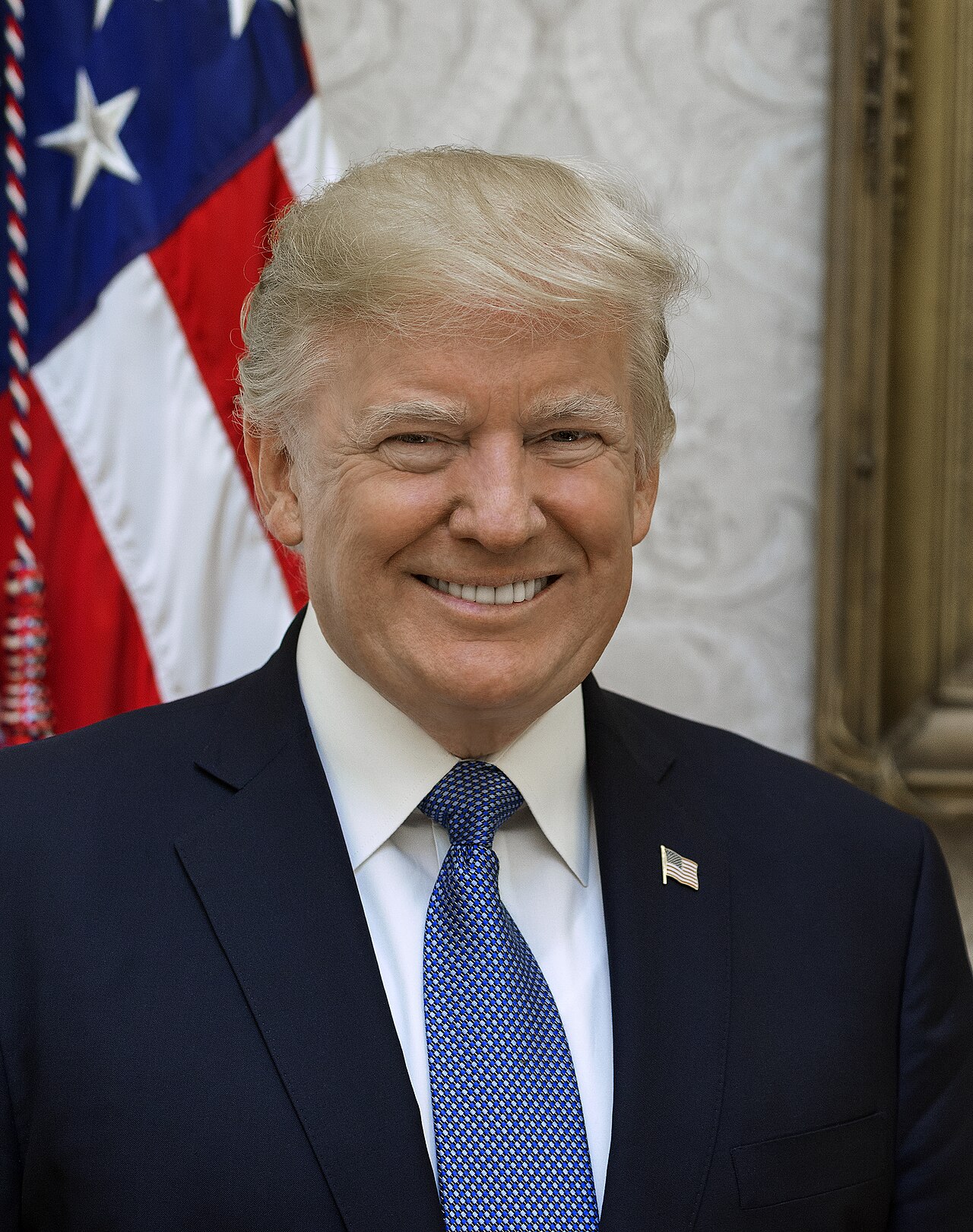
China has issued a direct warning to the United States regarding potential trade protectionism, specifically addressing the prospect of increased tariffs under a future U.S. administration. This caution followed high-level economic discussions held in Paris on May 24, where Chinese officials conveyed their readiness to implement countermeasures if new trade barriers are enacted.
Chinese Vice Finance Minister Liao Min articulated Beijing's stance, stating that any U.S. tariff increases would be detrimental to both nations and the broader global economy. The discussions, which included U.S. Treasury Undersecretary Jay Shambaugh, covered a range of critical economic issues, including macroeconomic stability, global debt challenges, and concerns raised by the U.S. regarding China's industrial overcapacity.
Bilateral Economic Dialogue
The Paris meeting was part of an ongoing series of economic dialogues initiated in 2023, designed to manage the complex economic relationship between the world's two largest economies. These dialogues aim to foster communication and address points of contention, despite persistent disagreements on trade and industrial policy.
During the recent talks, the Chinese delegation specifically highlighted the potential for a return to higher tariffs, a policy stance associated with a possible new U.S. presidential term. This concern reflects the current U.S. administration's maintenance of some tariffs originally imposed by the previous Trump administration, and speculation about further increases should Donald Trump be re-elected.
Industrial Overcapacity Concerns
A significant point of contention in the bilateral economic relationship remains China's industrial overcapacity. U.S. officials have consistently argued that China's state-backed production practices distort global markets, creating an uneven playing field for international competitors. This issue was a central theme in the Paris discussions.
China's explicit warning signals its preparedness to defend its economic interests, suggesting a potential escalation of trade tensions if new tariffs are imposed. The outcome of these trade dynamics will have substantial implications for international economic stability and the future trajectory of U.S.-China relations. The global economy remains sensitive to shifts in trade policy between these two major powers, with potential ripple effects across supply chains and financial markets.
Future Trade Dynamics
The ongoing dialogue, despite its challenges, represents an effort to prevent economic disputes from spiraling into broader conflicts. However, the clear warning from China underscores the fragility of the current trade environment and the potential for renewed protectionist measures to disrupt global commerce. Both nations are keenly aware of the economic stakes involved, and future policy decisions will be closely watched by international observers.
Implications
Country Impact: China's warning indicates a firm stance against potential U.S. tariff increases, signaling readiness for retaliatory measures. This could lead to heightened trade tensions and impact economic growth in both countries.
Industry Impact: Industries reliant on U.S.-China trade, particularly those affected by tariffs, face increased uncertainty. Sectors like manufacturing and technology could experience supply chain disruptions and altered market access.
Market Impact: Global financial markets may react to escalating trade rhetoric with increased volatility. Investors will monitor policy developments for potential impacts on international trade flows, commodity prices, and corporate earnings.