Iran Conflict Casualties Exceed 1,300 by Mid-March
Iran reports over 1,300 fatalities by mid-March 2026 following a conflict initiated by alleged U.S.-Israeli air strikes on February 28.
Lauren Collins ·
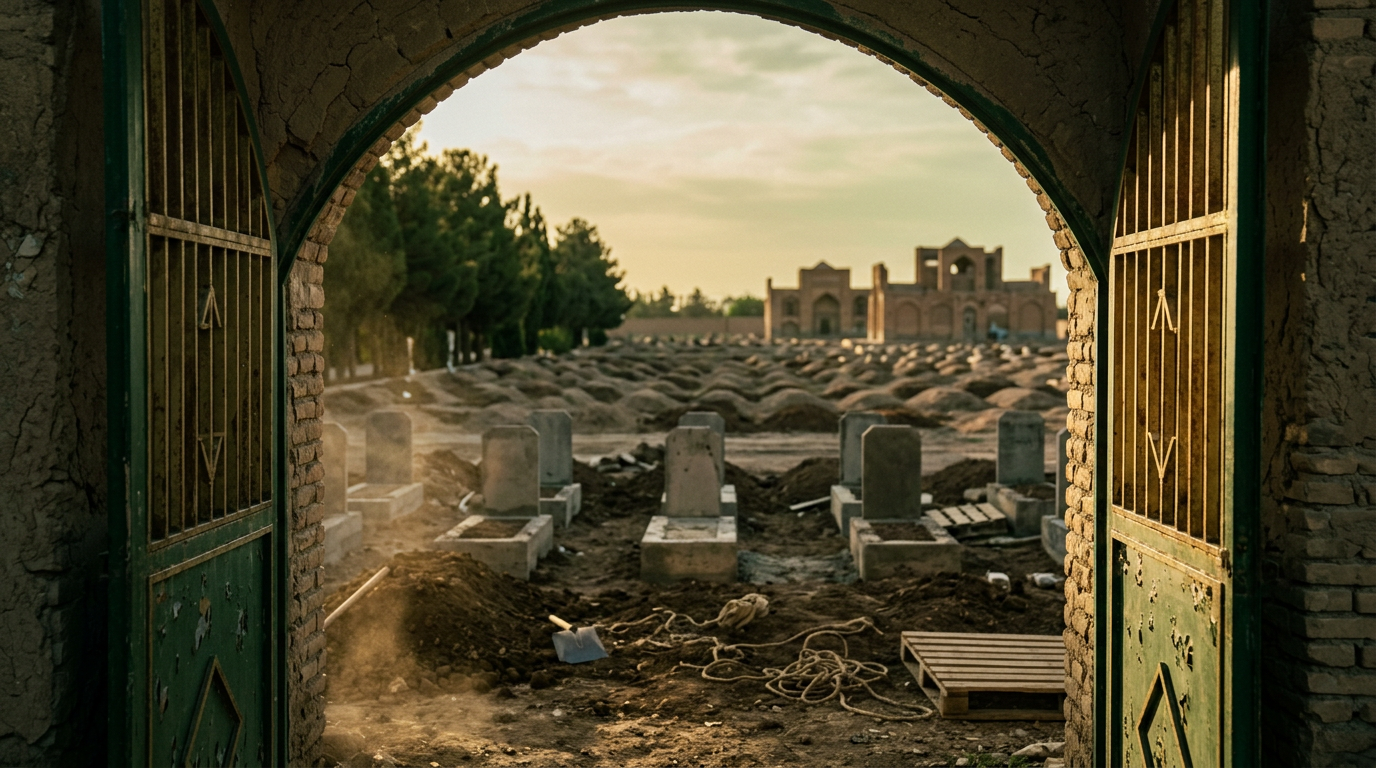
Iranian authorities have reported over 1,300 fatalities within the country by March 16, 2026, stemming from a conflict that commenced on February 28. The hostilities began with aerial assaults targeting Tehran and other urban centers across Iran. Officials in Tehran have attributed these attacks to a joint U.S.-Israeli operation, significantly escalating tensions in the Middle East region.
New burial sites have been established at Tehran's Behesht-e Zahra cemetery to accommodate the deceased. Among those interred is Erfan Shamei, 23, who reportedly died on March 4 following an explosion at a military training facility located in Kermanshah. The cemetery, a prominent national burial ground, is preparing Section 42 for the influx of new burials.
Escalation of Regional Tensions
The conflict's onset on February 28 involved a series of rapid air strikes, leading to substantial loss of life. Families have gathered at Behesht-e Zahra to mourn, highlighting the widespread impact of the violence. The cemetery also serves as the resting place for members of the Basij militia and individuals associated with Evin Prison, which Iranian reports indicate was a target in both the current conflict and prior incidents.
Humanitarian Impact and Official Response
The reported death toll of more than 1,300 Iranians underscores the severe humanitarian consequences of the ongoing hostilities. Iranian officials have consistently characterized the events as an attack perpetrated by the United States and Israel, a narrative that further exacerbates regional instability and geopolitical friction. This attribution frames the conflict within a broader context of long-standing animosities and proxy confrontations in the Middle East.
Historical Context of Regional Instability
The current conflict unfolds against a backdrop of decades of complex geopolitical dynamics in the Middle East, characterized by shifting alliances, proxy conflicts, and significant external power involvement. Previous periods of heightened tension, including targeted strikes and cyber warfare, have often preceded broader escalations.
The region's strategic importance, particularly concerning energy resources and international trade routes, means that any significant conflict has far-reaching global implications.
International Reactions and Future Outlook
While specific international reactions to this latest escalation have not been detailed, such events typically prompt calls for de-escalation from global powers and international bodies. The potential for the conflict to draw in additional regional actors or to disrupt global energy markets remains a significant concern.
Observers will be closely monitoring diplomatic efforts and military movements in the coming weeks to assess the trajectory of the crisis and its broader implications for global security and economic stability.
Implications
Country Impact: The conflict has resulted in significant loss of life and widespread grief across Iran, necessitating the expansion of burial facilities. Official attribution of the attacks to the U.S. and Israel is likely to solidify nationalistic sentiment and potentially influence domestic policy.
Industry Impact: While not explicitly detailed, sustained conflict in a major oil-producing region like the Middle East typically leads to volatility in global energy markets. Shipping and logistics industries operating in the Persian Gulf could face increased risks and disruptions.
Market Impact: Geopolitical instability in the Middle East often triggers risk-off sentiment in global financial markets, potentially leading to increased demand for safe-haven assets like gold and government bonds. Equity markets, particularly those sensitive to oil prices, could experience downward pressure.