Sri Lanka Adopts Four-Day Week Amid Fuel Crisis
Sri Lanka implemented a four-day work week for state institutions to conserve fuel amid a regional energy crisis exacerbated by Middle East conflict.
Lauren Collins ·
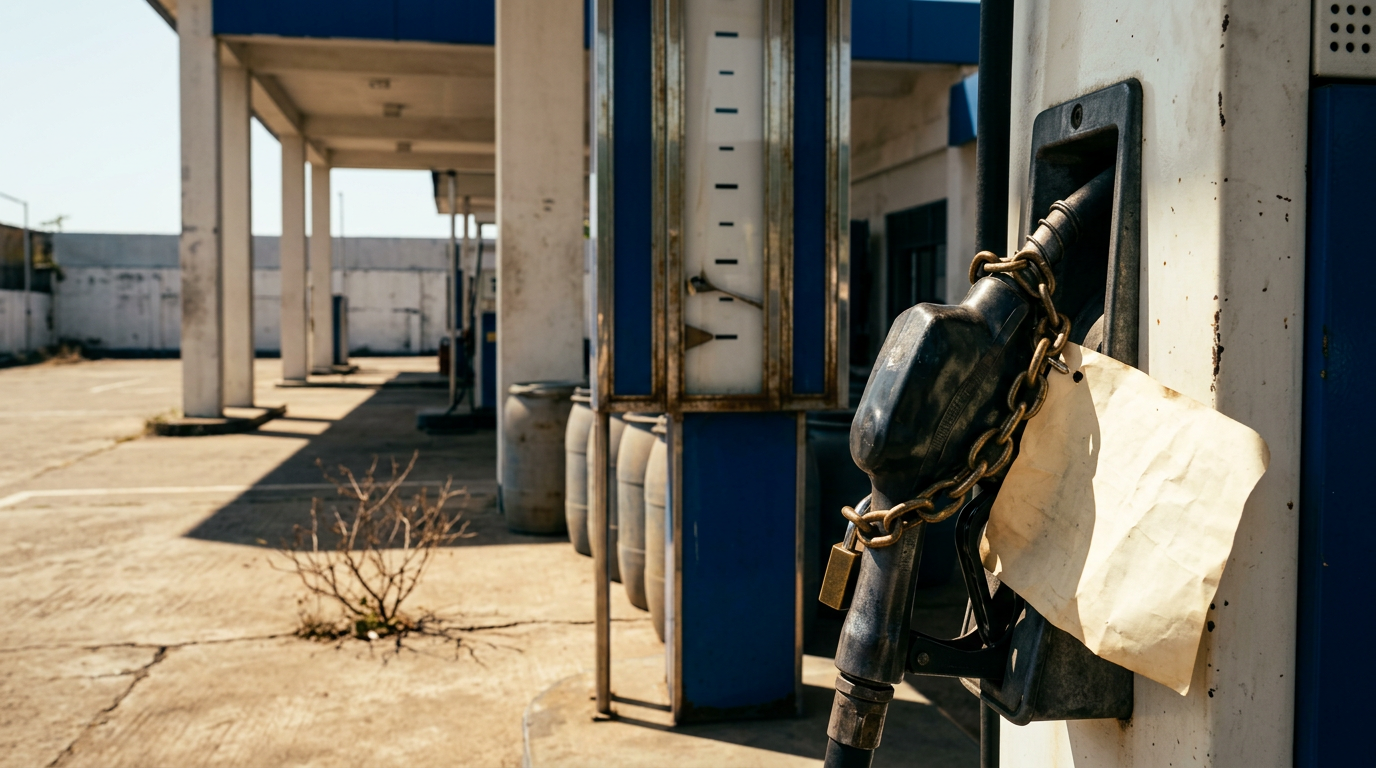
Sri Lanka has initiated a four-day work week for its public sector, including state institutions, schools, and universities, effective this Wednesday. This policy aims to mitigate the nation's critical fuel and gas shortages, which have been exacerbated by regional energy supply disruptions.
The decision comes as Sri Lanka faces severely depleted energy reserves, with current petrol and diesel stocks estimated to last only six weeks. Authorities have also encouraged private sector entities to adopt similar reduced work schedules to further conserve resources.
Regional Energy Crisis Deepens
The broader South Asian region is experiencing significant energy challenges, primarily due to the ongoing Middle East conflict. The effective closure of the Strait of Hormuz by Iran, in response to U.S. and Israeli military actions, has severely impacted shipping lanes crucial for energy imports.
Nations like Bangladesh, India, and Pakistan, which are heavily dependent on fuel and liquefied petroleum gas (LPG) imports from the Gulf, are grappling with the fallout. These countries typically import nearly all their energy requirements, and many report only weeks of reserves remaining.
Diverse National Responses
Neighboring countries have implemented various measures to cope with the crisis. Bangladesh has declared early Ramadan holidays for universities and instituted scheduled power blackouts. Pakistan has transitioned schools to remote learning models and increased domestic fuel prices.
India, which sources 60% of its LPG gas from Gulf states, has seen long queues for cooking gas, leading to restaurant closures and warnings of potential hotel shutdowns. Despite these challenges, India recently secured the passage of two tankers through the Strait of Hormuz following diplomatic negotiations with Iran, delivering essential gas supplies earlier this week.
Economic Implications and Outlook
Sri Lankan officials have expressed concerns that a prolonged Middle East conflict and continued disruptions to shipping through the Strait of Hormuz could severely undermine the country's economic recovery efforts. The energy crisis, which began approximately two weeks ago, poses a significant threat to regional stability and economic growth.
The reliance on imported energy across South Asia highlights the vulnerability of these economies to geopolitical events affecting global supply chains. The current measures underscore the urgent need for energy conservation and diversification strategies in the face of escalating international tensions.
Implications
Country Impact: Sri Lanka's four-day work week aims to conserve critical fuel reserves, impacting public sector productivity and daily life. The measure highlights the nation's vulnerability to global energy supply disruptions and could hinder economic recovery efforts.
Industry Impact: The energy crisis is disrupting industries across South Asia, particularly hospitality and food services in India due to LPG shortages. The reliance on imports exposes regional industries to significant supply chain risks and increased operational costs.
Market Impact: The ongoing Middle East conflict and Strait of Hormuz disruptions are creating volatility in global energy markets. Increased fuel prices and supply uncertainties could lead to inflationary pressures and dampen economic growth prospects in import-dependent nations.