Nations Hesitate on Hormuz Naval Coalition
International nations are not committing to a U.S.-led naval coalition to secure the Strait of Hormuz, despite rising oil prices and Iranian blockades.
Lauren Collins ·
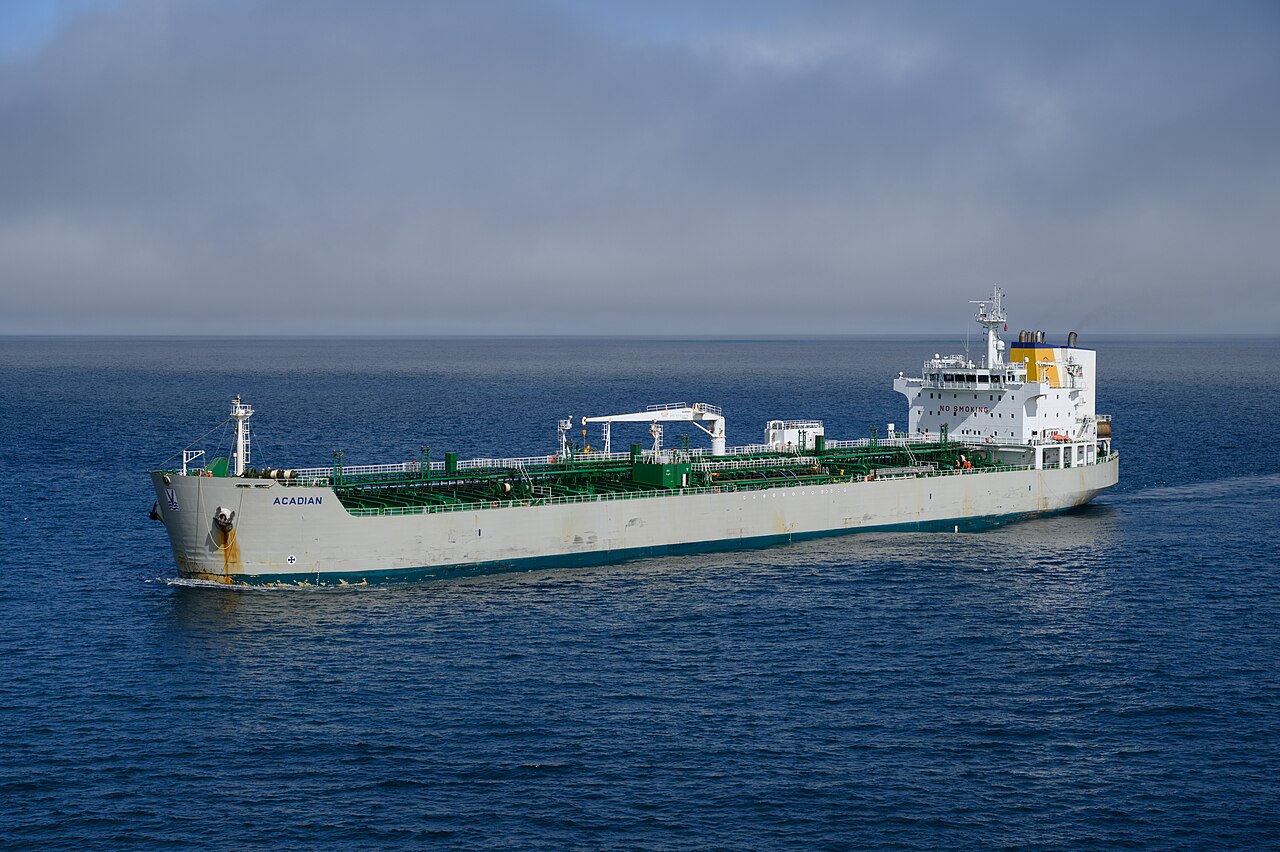
International powers have not committed to a U.S. proposal for a naval coalition to secure the Strait of Hormuz, despite calls from U.S.
President Donald Trump to keep the waterway "open and safe." This hesitation comes as Iran effectively blocks the strait in retaliation for U.S. and Israeli strikes, contributing to soaring oil prices, which are currently around $100 per barrel.
The U.S. Secretary of Energy, Chris Wright, has engaged in discussions with the United Kingdom, France, Japan, and South Korea, and anticipates China's constructive participation, but no formal commitments have been made.
Background
Iran maintains that the Strait of Hormuz, a critical chokepoint for one-fifth of global oil exports, remains open to all nations except the U.S. and its allies. Iranian Foreign Minister Abbas Araghchi indicated that Tehran is considering requests for safe passage from various countries. India's External Affairs Minister S. Jaishankar confirmed that negotiations with Tehran successfully facilitated the passage of two Indian-flagged gas tankers through the strait on Saturday.
Since February 28, at least 10 oil tankers have been targeted or reported attacks in the region. Approximately 1,000 oil tankers are currently stranded.
China has expressed a commitment to ensuring stable energy supply and de-escalation, but a spokesperson for its embassy in the U.S. did not confirm naval support.
Key Developments
European nations, including France and Germany, have expressed skepticism or conditional willingness regarding military involvement, with Germany's Foreign Minister Johann Wadephul stating he is "sceptical" about joining an active conflict.