Iran War Impacts Trump's Political Standing
Trump's U.S.-Iran conflict support wanes amid rising casualties, oil prices, and market instability. Russia benefits from eased sanctions.
Lauren Collins ·
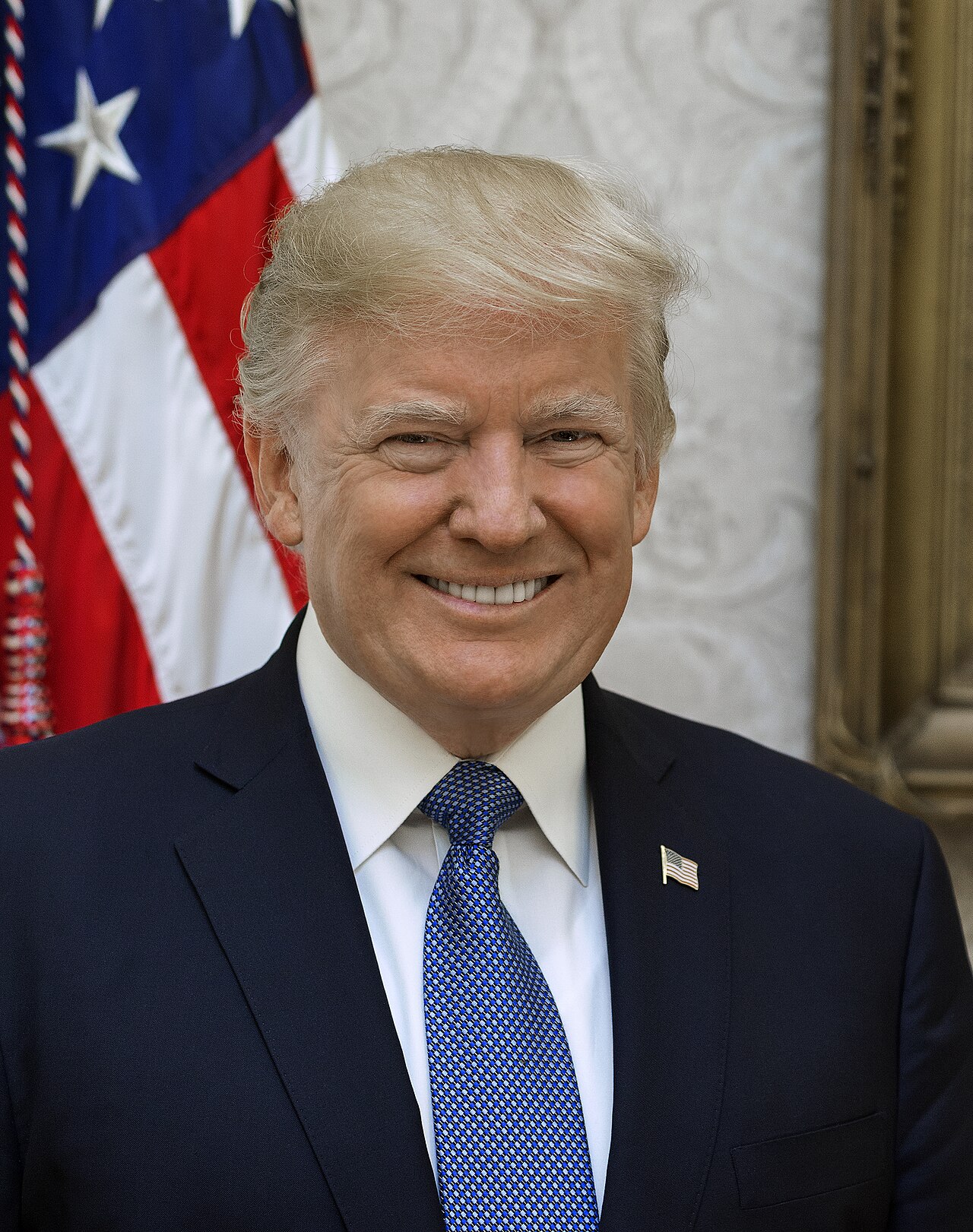
Two weeks after the United States and Israel initiated strikes on Iran, President Donald Trump's political standing has deteriorated, marked by declining poll numbers and increased public concern. The conflict, which began in late February 2026, has led to American casualties, surging oil prices, and falling financial markets. This situation has prompted criticism from Democrats and some of Trump's supporters regarding his administration's handling of the war and its economic consequences.
The war's early phase has also benefited Russia, as the Trump administration eased sanctions on some Russian oil shipments. This decision, coupled with rising oil prices due to disruptions in the Persian Gulf, has undermined previous efforts to limit Russia's ability to fund its war in Ukraine. Democrats are leveraging the economic turmoil and the administration's perceived lack of a clear strategy to bolster their position ahead of the November midterm elections.
Furthermore, the conflict has severely disrupted transportation through the Strait of Hormuz, a critical chokepoint for global oil trade. Trump has indicated a need for international assistance to secure the strait, a shift from earlier pronouncements. Countries like South Korea, Japan, China, and the UK are cautiously reviewing the situation, while Iran has threatened to continue attacks on energy infrastructure, impacting global energy markets.