US Energy Chief Warns on Sustained Gas Prices
US Energy Secretary Chris Wright warns that gasoline prices will remain elevated, citing ongoing Middle East tensions and Strait of Hormuz insecurity.
Lauren Collins ·
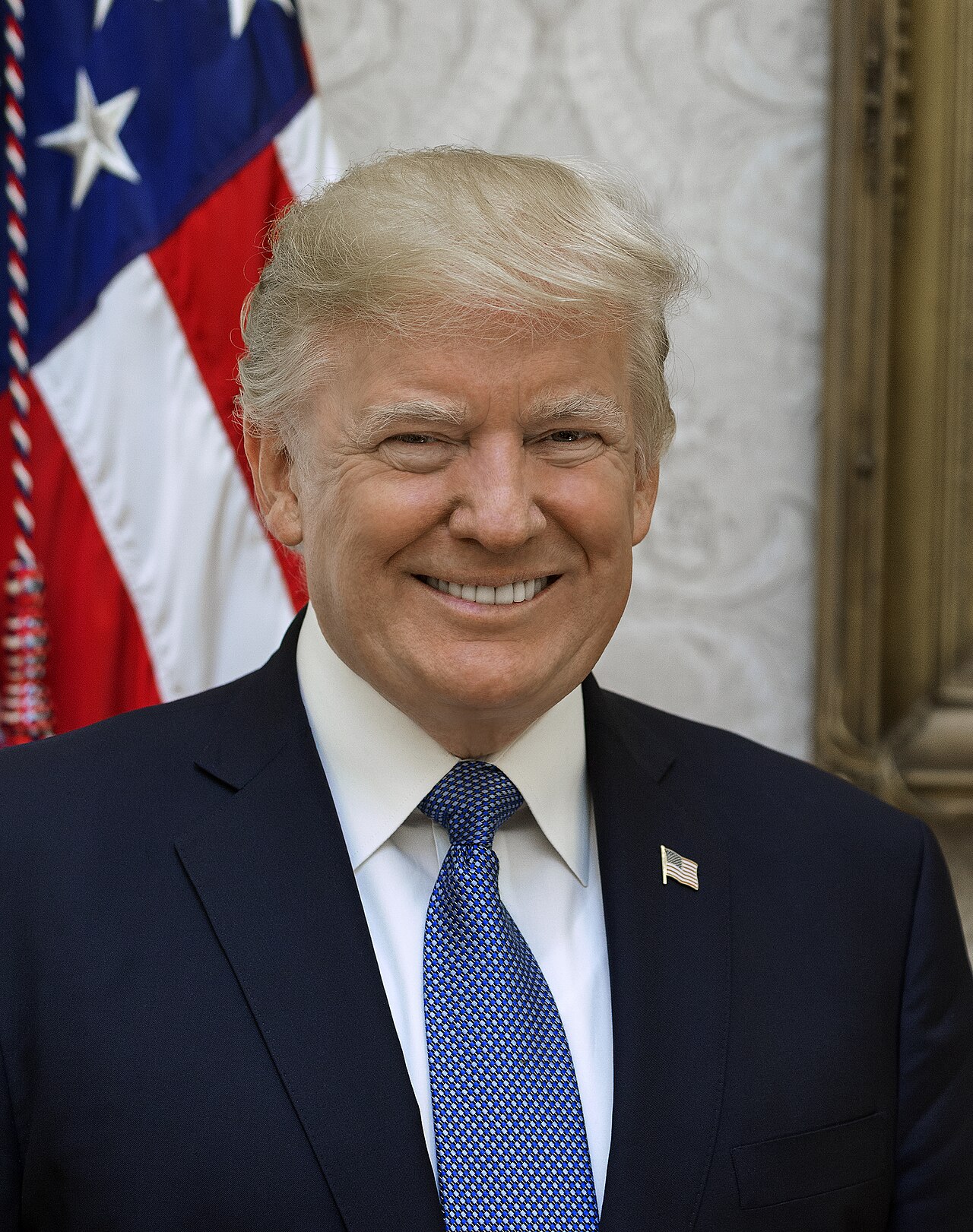
U.S. Energy Secretary Chris Wright indicated on Sunday that consumers should not expect a rapid decline in gasoline prices, citing persistent geopolitical tensions in the Middle East. This assessment suggests that elevated fuel costs may continue for an extended period, diverging from earlier governmental predictions of temporary price fluctuations. The Energy Information Administration (EIA) projects that gasoline prices will not revert to pre-conflict levels until late 2027.
Gasoline prices have seen a notable increase, with the national average reaching $3.699 per gallon on Sunday, according to AAA data. This figure represents a significant rise from $2.927 per gallon recorded just one month prior. The surge in prices is directly linked to the global crude oil market, where prices exceeded $100 per barrel earlier this month, a level not observed since 2022.
Geopolitical Factors Driving Costs
The primary driver behind these rising energy costs is the ongoing conflict involving Iran and its impact on critical shipping lanes, particularly the Strait of Hormuz. This vital waterway is crucial for global oil transit, and disruptions or threats to its security directly influence crude oil prices and, consequently, gasoline prices worldwide. Secretary Wright explicitly stated that "some elevated pricing" is anticipated to persist until the resolution of the current geopolitical situation.
Administration's Stance and International Response
Despite the financial burden on consumers, Secretary Wright affirmed that the current price increases are deemed acceptable given the broader strategic objective of countering the Iranian regime. This position underscores a prioritization of geopolitical aims over immediate domestic economic relief concerning fuel costs. The U.S. administration has also sought international cooperation to address the security of the Strait of Hormuz.
Former President Trump previously suggested that multiple nations would deploy naval assets to the Strait to ensure its security. Echoing this sentiment, U.S. Ambassador to the UN Mike Waltz has encouraged international partners to contribute to safeguarding the critical maritime passage. The collective effort aims to mitigate risks to global energy supplies and stabilize the region, though the timeline for such stabilization remains uncertain.
Market Implications and Outlook
The sustained high energy prices are expected to have various market implications, affecting transportation costs, consumer spending, and inflation rates. Businesses reliant on fuel, such as logistics and aviation, will likely face increased operational expenses, which could be passed on to consumers. The long-term forecast from the EIA suggests that the current market conditions are not a short-term anomaly but rather a more enduring shift influenced by geopolitical realities.
Investors and policymakers are closely monitoring developments in the Middle East for any signs of de-escalation that could alleviate pressure on global oil markets.
Implications
Country Impact: The United States is likely to experience sustained inflationary pressures due to higher energy costs, impacting consumer purchasing power and potentially slowing economic growth. Domestic policy will need to balance geopolitical objectives with economic stability.
Industry Impact: Industries heavily reliant on fuel, such as transportation, logistics, and manufacturing, will face increased operational costs. This could lead to higher prices for goods and services, affecting supply chains and potentially reducing profit margins.
Market Impact: Global energy markets will remain volatile, with crude oil prices sensitive to geopolitical developments in the Middle East. Equity markets may see pressure on sectors with high energy input costs, while bond markets could reflect inflation concerns.