US Forms Coalition to Secure Hormuz Shipping Lanes
The U.S. is forming a naval coalition to secure the Strait of Hormuz after recent disruptions, aiming to protect global oil shipments.
Lauren Collins ·
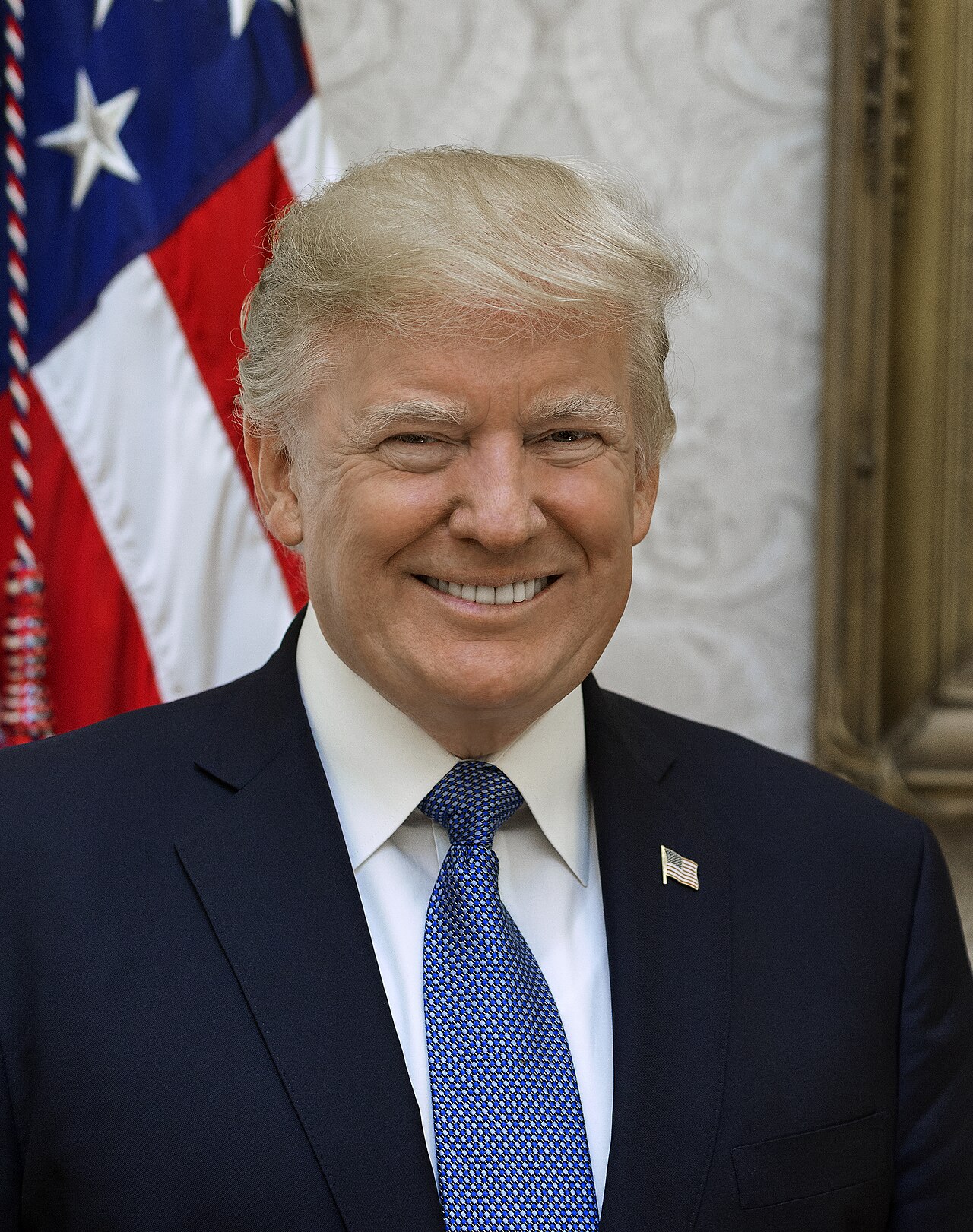
The United States is organizing a multinational naval coalition to safeguard maritime navigation through the Strait of Hormuz. This initiative follows recent disruptions to global oil shipments and escalating tensions in the critical waterway. The announcement by U.S. President Donald Trump on Saturday outlined a strategy to ensure the free flow of commerce, particularly oil and liquefied natural gas, which are vital for numerous global economies.
Strategic Importance of Hormuz
Recent Military Actions
Coalition Participants and Objectives
Historical Context and Regional Tensions
U.S. Force Deployment
Economic and Political Implications
Implications
Country Impact: The formation of a multinational coalition could reshape regional alliances and diplomatic efforts, particularly involving nations heavily reliant on energy imports from the Persian Gulf. It may also intensify geopolitical tensions with Iran, potentially leading to further retaliatory actions or diplomatic standoffs.
Industry Impact: The energy sector, especially oil and gas, faces continued volatility due to the security risks in the Strait of Hormuz. Shipping and maritime insurance industries will likely see increased premiums and operational costs for vessels transiting the region, impacting global supply chains.
Market Impact: Global financial markets, particularly crude oil futures, are highly sensitive to developments in the Strait of Hormuz. Increased security measures or further escalations could lead to price spikes, affecting inflation and economic growth forecasts worldwide. Equity markets may react to perceived geopolitical risk.