Trump Suggests Warships for Hormuz Security
Donald Trump proposed an international naval deployment to secure the Strait of Hormuz, naming several nations to contribute warships.
Lauren Collins ·
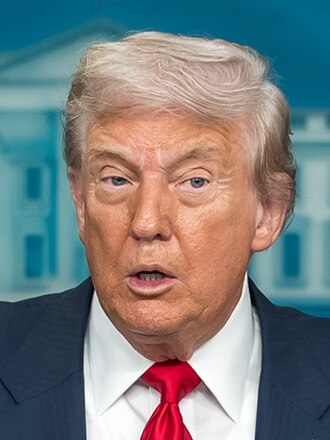
Former U.S. President Donald Trump recently articulated a proposal for an international naval deployment to safeguard the Strait of Hormuz. On Saturday, March 14, 2026, Trump communicated via Truth Social his expectation that multiple nations would contribute warships to ensure unimpeded transit through the critical waterway. This initiative, he suggested, would involve countries whose economic interests are directly impacted by potential disruptions in the Strait.
Trump specifically identified China, France, Japan, South Korea, and Britain as potential participants in this maritime security effort. He expressed a desire for these nations to dispatch naval assets to join the United States in maintaining open shipping lanes.
The former president's statement also included strong rhetoric regarding potential military responses, mentioning actions such as "bombing the hell out of the shoreline" and "continually shooting Iranian Boats and Ships out of the water" if Iranian vessels were perceived as a threat.
The White House did not immediately confirm any agreements from the mentioned countries to deploy naval forces following Trump's public remarks. The Strait of Hormuz is a strategically vital chokepoint for global energy supplies, connecting the Persian Gulf to the open ocean. Approximately one-fifth of the world's oil supply, along with significant volumes of liquefied natural gas, transits through this narrow passage daily.
Geopolitical Context and Historical Tensions
The region has a history of heightened tensions, particularly concerning maritime security in the Persian Gulf. Past incidents involving commercial shipping and naval confrontations have underscored the Strait's vulnerability and its importance to international trade. The proposed international naval presence aims to deter any actions that could impede the flow of maritime traffic, which is crucial for global energy markets.
International Shipping Lane Significance
The Strait of Hormuz is geographically constrained, making it susceptible to blockades or disruptions. Its strategic importance has led to various international efforts over decades to ensure freedom of navigation. Any threat to this waterway typically triggers significant concerns among major oil-importing nations and global financial markets due to its direct impact on energy prices and supply chains.
Potential Diplomatic and Military Implications
Such a multinational naval operation would necessitate extensive diplomatic coordination and agreement among participating states. The involvement of countries like China, which has significant economic ties to the region, would represent a complex geopolitical arrangement. The military implications of any direct confrontation in the Strait are substantial, potentially escalating regional conflicts and impacting global stability.
Implications
Country Impact: The proposal could strain diplomatic relations with Iran and test alliances among the named countries, potentially leading to varied national responses based on economic and security interests.
Industry Impact: Disruptions or heightened tensions in the Strait of Hormuz directly impact the global oil and gas industry, potentially leading to price volatility and supply chain uncertainties for energy-dependent sectors.
Market Impact: Global energy markets would likely react to any perceived threat or actual military action in the Strait, with crude oil and natural gas prices experiencing upward pressure, affecting inflation and economic stability worldwide.