Iran Nears Third Political Transformation Amid Sanctions
Iran is nearing a third political transformation, driven by internal strain, declining regional influence, and over 3,600 sanctions.
Lauren Collins ·
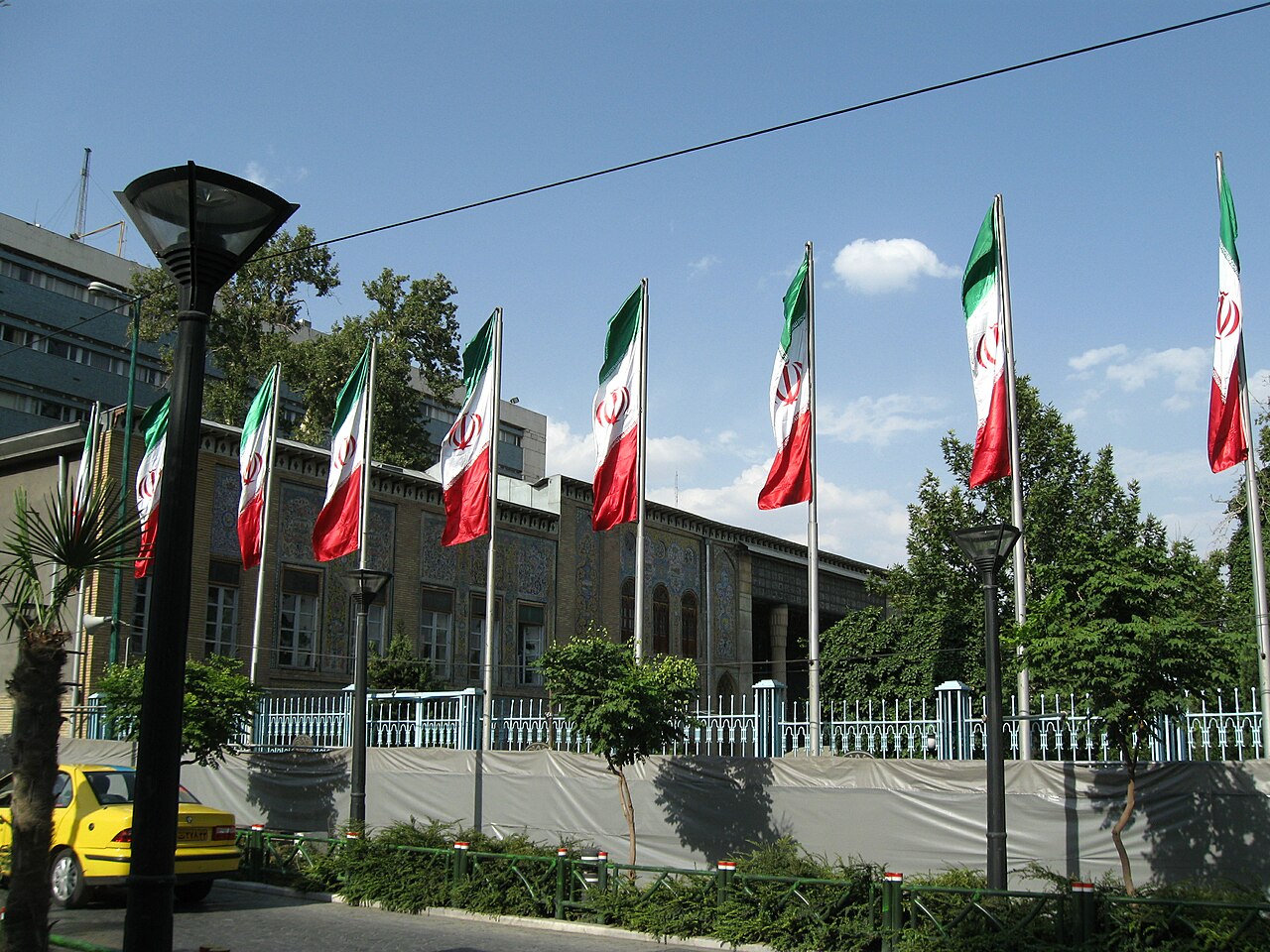
Iran is currently navigating a period of significant internal and external pressure, potentially leading to its third major political transformation. This comes after the Pahlavi monarchy (1925-1979) and the subsequent Islamic Republic (1979-present). The nation faces substantial domestic unrest, a reduction in its regional influence, and an economy severely constrained by over 3,600 international sanctions.
The current Islamic Republic, established on the principle of *velayat-e faqih* by Ayatollah Ruhollah Khomeini, is experiencing challenges to its foundational social contract and economic stability. This period of instability has generated considerable global and regional concern regarding Iran's future direction.
Historical Context of Iranian Regimes
The Pahlavi era, which spanned from 1925 to 1979, saw Iran develop as a secular, modernizing state with strong ties to Western nations. During this time, Iran recognized Israel in 1948 and was a key supplier of oil to Western markets. However, this period concluded with the 1979 revolution, largely attributed to the monarchy's authoritarian governance and a perceived lack of popular legitimacy among its citizens.
Following the revolution, the Islamic Republic was established in 1979, adopting a foreign policy that opposed the United States and Israel. This new regime actively supported an "axis of resistance" through various proxy groups, including Hezbollah, Hamas, and the Houthis. Its economic framework, characterized by state direction and independence from Western financial institutions, has resulted in extensive international sanctions.
Escalating Conflicts and Economic Strain
The Islamic Republic's existence has been marked by several significant armed conflicts. These include the protracted Iran-Iraq War from 1980 to 1988, a brief 12-day conflict involving Israel and the United States in June 2025, and an ongoing conflict that commenced on February 28. These military engagements have contributed to a pervasive siege mentality within the ruling establishment.
Economically, the imposition of over 3,600 sanctions has severely impacted Iran's financial landscape, contributing to widespread economic hardship and internal discontent. The combination of these factors suggests that the regime is neither operating as a confident revolutionary power nor as a stable religious state, leading to its current precarious position.
Outlook and Regional Implications
The current internal strain, coupled with external pressures, indicates a critical juncture for Iran. The regime's ability to navigate these challenges will determine its future political structure and its role in regional and global affairs. The ongoing conflicts and economic sanctions continue to shape the domestic narrative and international perceptions of Iran.
The potential for a third political transformation carries significant implications for global energy markets, regional stability in the Middle East, and international diplomatic relations. Observers are closely monitoring developments for signs of how the current leadership will address the mounting internal and external pressures.
Implications
Country Impact: Iran faces profound internal challenges, including mass protests and economic hardship, which could lead to a fundamental shift in its political system. The regime's stability is under severe pressure from both domestic discontent and international isolation.
Industry Impact: The energy sector, particularly oil, remains highly sensitive to Iranian political developments due to potential supply disruptions or changes in export policies. Industries reliant on global supply chains could also face volatility from regional instability.
Market Impact: Global financial markets, especially commodity markets, are likely to react to any significant political shifts in Iran. Increased uncertainty could lead to higher oil prices and a flight to safe-haven assets, impacting investor confidence worldwide.