Cuban Protests Escalate Over Economic Hardship
Cuban protests escalated with a Communist Party office set ablaze in Morón, leading to five arrests amid severe economic hardship.
Lauren Collins ·
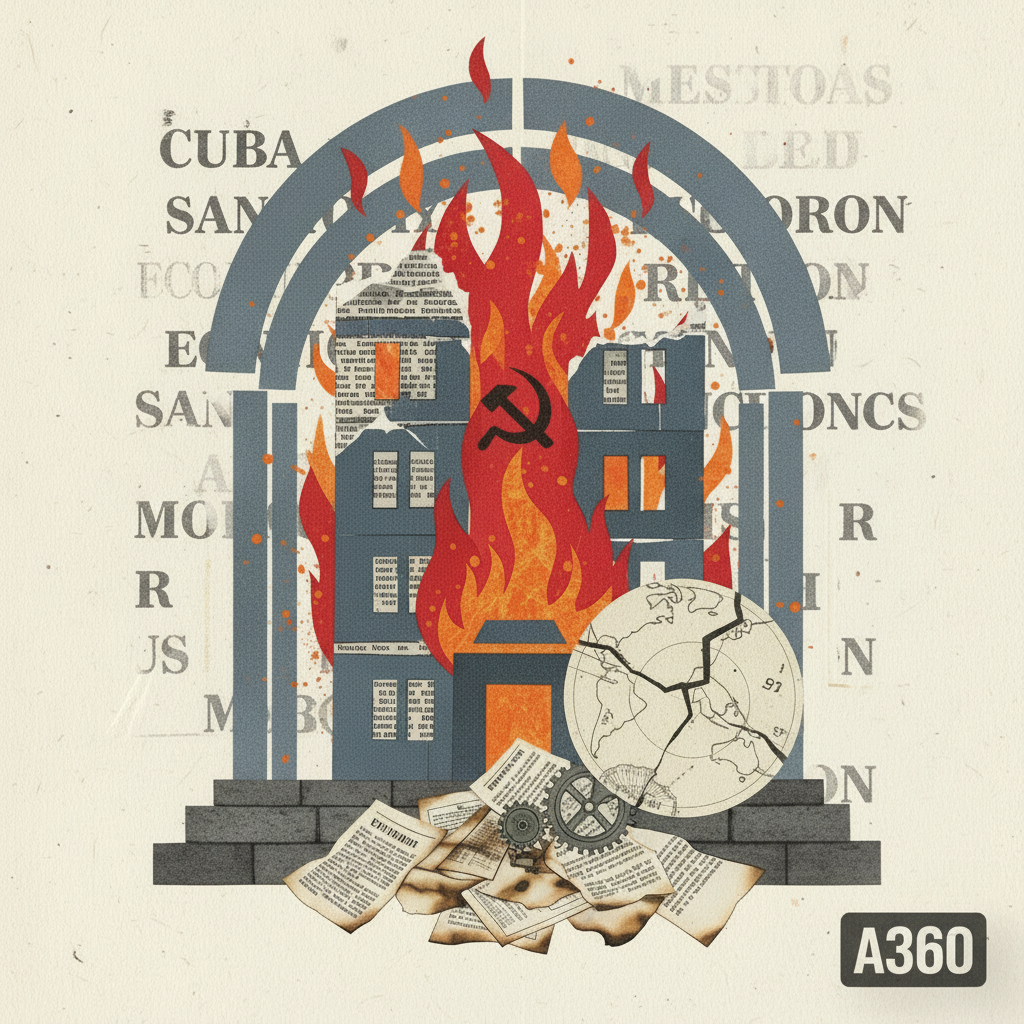
A Communist Party office in Morón, Cuba, was set ablaze on Saturday, March 13, 2026, leading to five arrests. This incident reflects growing public frustration over severe economic conditions, including critical shortages of food and electricity across the island nation. State media characterized the event as "vandalism acts" following a confrontation with authorities.
The unrest occurred amidst a backdrop of deepening economic strain in Cuba. The country has been grappling with significant energy deficits, exacerbated by a three-month absence of petroleum shipments. These shortages have fueled widespread discontent, manifesting in various forms of protest.
Economic Crisis Fuels Public Discontent
Human rights organizations, such as Justicia11, reported hearing gunfire during the protests, a claim that state media outlets have denied. These events follow a period of increasing public demonstrations, including "cacerolazo" protests, where citizens bang pots and pans, and student sit-ins at institutions like the University of Havana, primarily in response to energy restrictions.
Impact of Sanctions on Energy Supply
Cuba's energy infrastructure is heavily reliant on fossil fuels, making the disruption of oil shipments particularly impactful. The U.S. policy aims to restrict the Cuban government's financial resources, but its broader effect has been to intensify the daily struggles of the Cuban populace, leading to widespread shortages and a decline in living standards.
Government Response and Future Outlook
The situation suggests a potential for further social unrest if economic conditions do not improve. International observers are closely monitoring developments, as the interplay between U.S. policy, Cuba's economic stability, and public sentiment remains a critical dynamic in the region.
Implications
Country Impact: Cuba faces heightened internal instability and increased pressure on its political system due to escalating public discontent over economic hardship. The government's ability to maintain social order and address basic needs is under severe strain.
Industry Impact: The energy sector in Cuba is in crisis, with significant implications for all industries reliant on electricity and fuel. This impacts production, transportation, and overall economic activity, potentially leading to further contractions.
Market Impact: The ongoing unrest and economic instability in Cuba could deter foreign investment and further isolate the country from international markets. The situation may also influence regional political dynamics and trade relations.