Trump Discloses Congressman Dunn's Health Status
Donald Trump disclosed Congressman Neal Dunn's terminal health diagnosis, claiming credit for medical intervention that improved his condition.
Lauren Collins ·
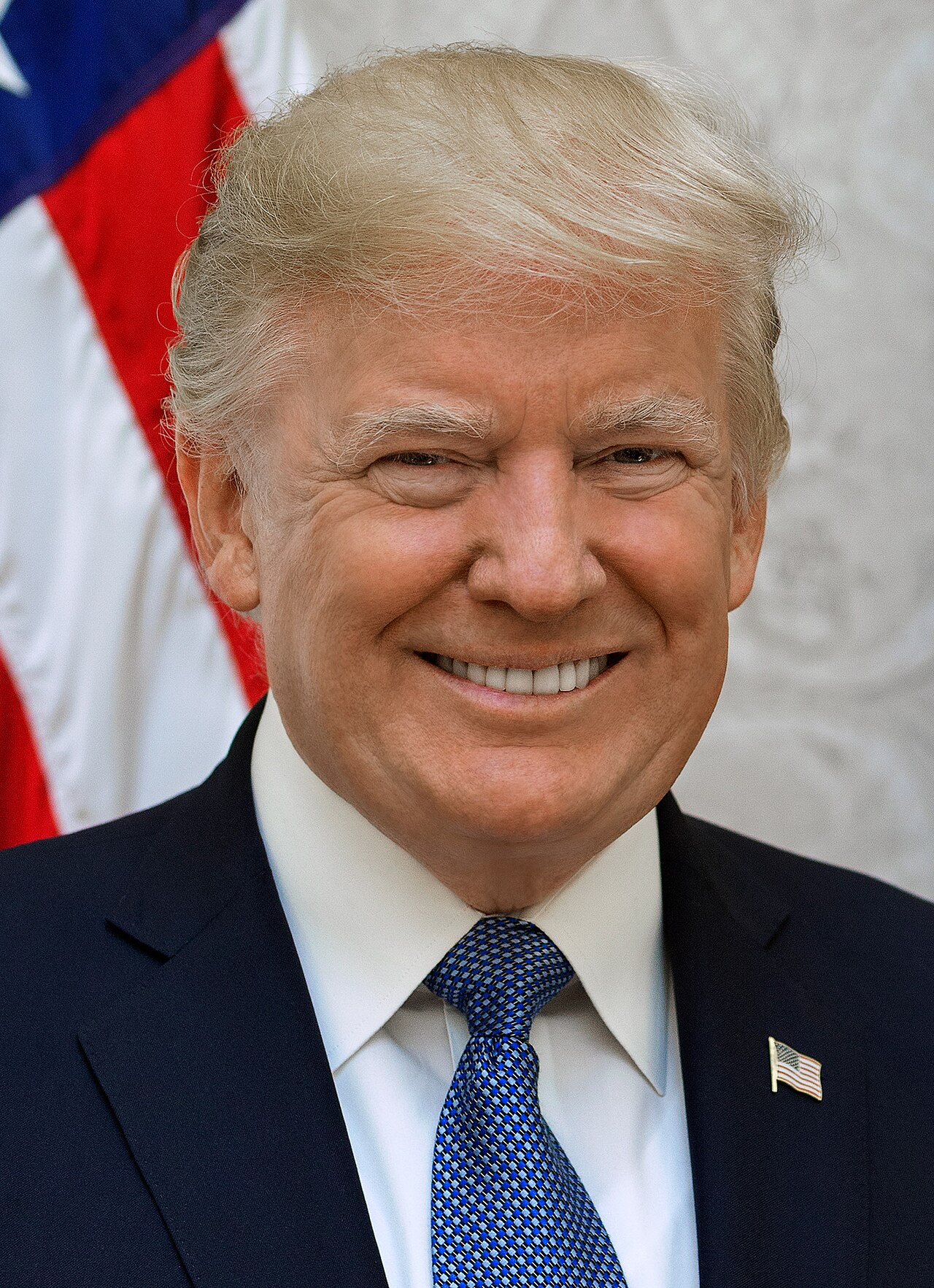
Former President Donald Trump publicly revealed the previously undisclosed terminal health diagnosis of U.S. Representative Neal Dunn (R-FL) on Monday, March 16, 2026. The disclosure occurred during a press conference where Trump was discussing legislative challenges faced by House Speaker Mike Johnson.
Trump asserted that he played a role in securing medical intervention that significantly improved Dunn's condition. This claim was made in the context of praising Speaker Johnson's management of the Republican-led House, where a narrow majority is critical for legislative initiatives.
Details of the Disclosure
During the press briefing, Trump initially alluded to a House member whose health status threatened the Republican majority. He subsequently identified Representative Dunn, aged 73, as the individual in question. Trump indicated that his motivation for assisting Dunn was both personal affection and the strategic importance of Dunn's vote in the House of Representatives.
Speaker Mike Johnson later confirmed Dunn's "terminal diagnosis," specifying that it involved a heart condition with an initial prognosis of death by June. Johnson corroborated Trump's account, stating that the former president facilitated Dunn's connection with Walter Reed Army Medical Center, which reportedly led to a substantial improvement in the congressman's health.
Political Context and Implications
The revelation of Representative Dunn's health status and the subsequent intervention highlights the delicate balance of power within the U.S. House of Representatives. With a slim Republican majority, every vote is critical for passing legislation, particularly on contentious issues.
Trump's public disclosure of private medical information, even with an asserted positive outcome, raises questions regarding patient privacy and the ethics of such revelations by public figures. The incident underscores the intersection of personal health, political strategy, and public transparency in Washington D.C.
Broader Relevance
This event also touches upon the role of former presidents in current political dynamics. Trump's continued influence within the Republican party and his engagement in congressional affairs remain significant, impacting both legislative processes and individual political careers.
The involvement of a military medical facility like Walter Reed further emphasizes the resources available to high-profile individuals and the potential for such connections to influence personal outcomes. The episode provides a glimpse into the informal networks that can operate alongside formal political structures.
Implications
Country Impact: The incident highlights the ongoing political influence of former President Trump within the Republican party and raises questions about the privacy of public officials' health information.
Industry Impact: The medical community may face increased scrutiny regarding patient confidentiality when high-profile individuals are involved, particularly concerning disclosures by third parties.
Market Impact: While not directly impacting financial markets, the event underscores the fragility of legislative majorities, which can indirectly affect policy stability and investor confidence in the long term.